
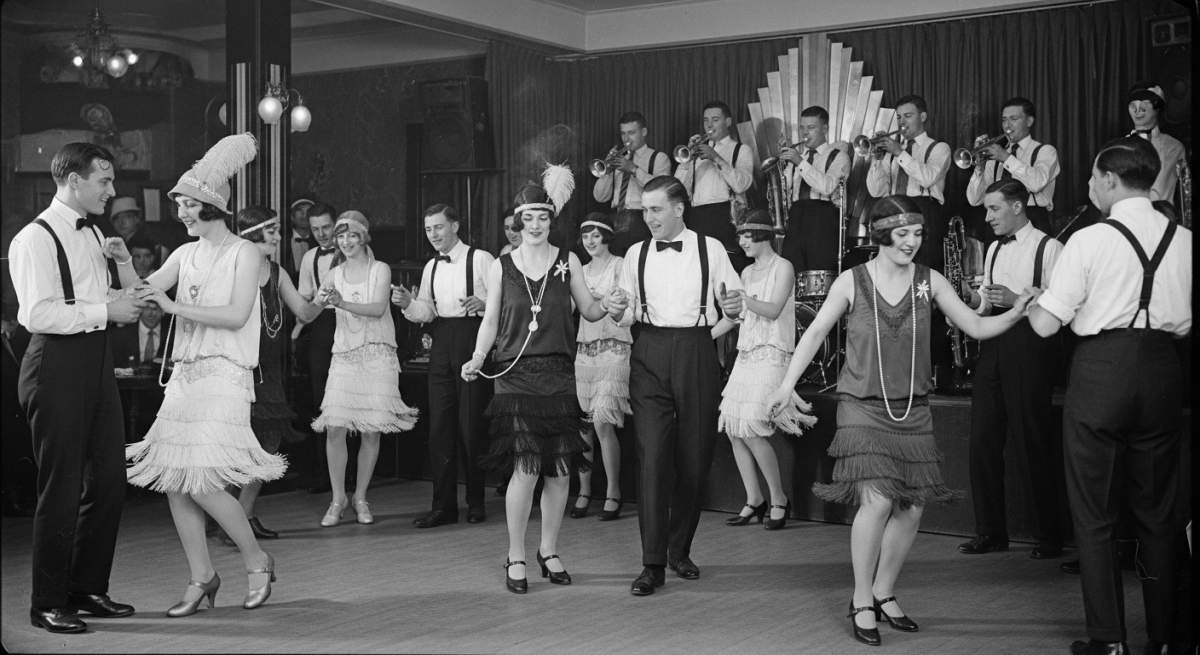
Alright, dolls and gents, settle down! You know I usually live and breathe the sweet, sweet polyester of the 1970s or the slick chrome of the 1950s diner scene. But honey, if we are going to talk about *vibes*, about true, unadulterated, game-changing cool, we gotta take it all the way back to where the party started: The Roaring Twenties.
Forget everything you learned in history class about dusty dates and boring treaties. The 1920s weren't just a decade; they were a cultural explosion. It was the moment the world collectively decided, "You know what? We’re done being stuffy." It was the era that invented the teenager, the cocktail party, and, most importantly, the original, radical, freedom-fighting icon: The Flapper.
Seriously, folks, the Flapper wasn't just a girl in a fringed dress. She was the first woman in history to declare, loud and clear, that she owned her body, she controlled her destiny, and yes, she was going to smoke a cigarette in public while doing the Charleston. Talk about radical! This was the ultimate glow-up from the repressive, corseted Victorian and Edwardian eras. It was a revolution set to a jazz beat, and believe me, it was absolutely the bee’s knees.
Why the 1920s Still Slays, Decades Later
Why do we still obsess over F. Scott Fitzgerald novels and pictures of women with impossibly long pearl necklaces? Because the 1920s gave us the blueprint for modern rebellion. They were coming off the horrors of World War I, and everyone was ready to live, baby, *live*. It was a cocktail of economic boom, technological advancement (hello, radio!), and profound social change (hello, women’s suffrage!).
The energy was palpable. It was a time of excess, of breaking rules, and of pure, unadulterated fun. If the 1960s were about protesting the system, the 1920s were about dancing right past it. It was the decade that taught us how to be truly, deliciously modern.
The Anatomy of a Flapper: More Than Just Fringe
Let's get down to the threads, shall we? Because the Flapper’s uniform wasn't just fashion; it was armor and a declaration of war against tradition. Before 1920, women were literally strapped into whalebone cages, forced to maintain an hourglass shape that made breathing difficult and independent movement impossible. The Flapper looked at that and said, "Hard pass, sister."
The Radical Hemline Revolution
Picture this: For centuries, a woman’s ankle was considered scandalous. Then, suddenly, hemlines started creeping up. First, mid-calf. Then, daringly, just below the knee. By 1926, the hemline reached its zenith of rebellion—right at the knee! This might sound tame now, but back then, it was like walking around in a bikini on Fifth Avenue. It allowed women to move, to run, and most importantly, to dance the insanely vigorous Charleston without tripping over yards of heavy fabric.
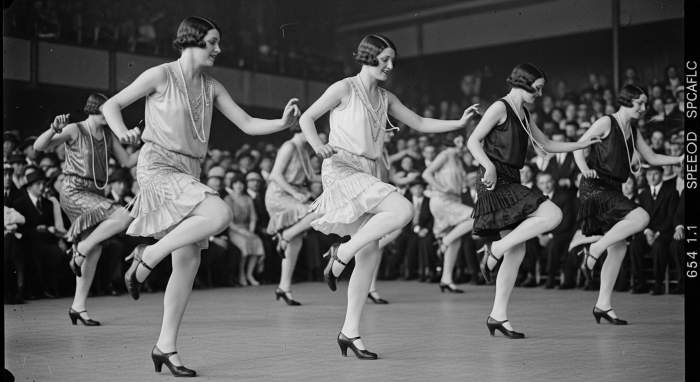
The dresses themselves—the iconic flapper dresses—were designed for movement. They were typically constructed of lighter fabrics like silk, chiffon, and velvet, often adorned with thousands of tiny beads, sequins, and, of course, that glorious, shimmery fringe. The fringe wasn't just decorative; it amplified the movement. When a Flapper danced, the dress didn't just hang there—it exploded into motion, a visual representation of her newfound freedom.
Bobbed Hair and the Lipstick Rebellion
If the short dress was a slap in the face to tradition, the bobbed haircut was a full-on knockout punch. Long hair was the ultimate symbol of feminine virtue and domesticity. Cutting it off was the equivalent of burning your house down. It was a serious, dramatic statement.
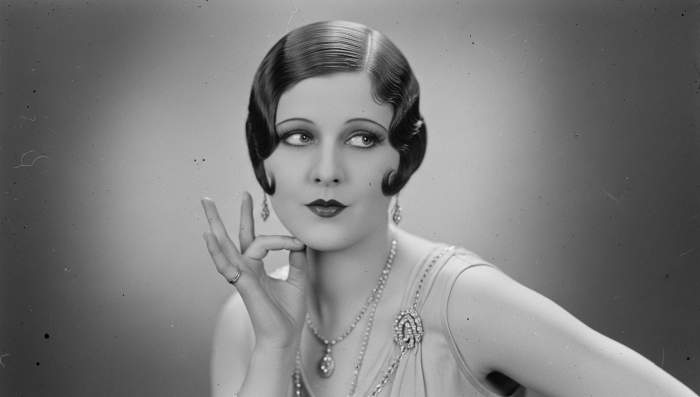
The most popular styles were the severe, helmet-like 'Eton Crop' or the softer 'Marcell Wave.' Hair was slicked close to the head, often hidden under a tight, bejeweled cloche hat. The cloche hat was essential because it forced the wearer to tilt her head back slightly to see out, giving her a perpetually haughty, confident look. Talk about a power accessory!
And let’s not forget the makeup! Before the 1920s, only actresses and women of "ill repute" wore visible makeup. The Flapper grabbed her rouge and lipstick and applied it proudly. Dark, defined eyes (often done with early forms of kohl or Vaseline), bright red cupid's bow lips, and heavily powdered skin defined the look. This was about being seen, being bold, and throwing caution to the wind. If Grandma clutched her pearls, you knew you were doing it right.
Dropped Waists and the Boyish Silhouette
Here’s the real kicker that separates the 1920s look from every other fashion era: the silhouette. The Flapper actively rejected the classic feminine shape. They ditched the corset and embraced the dropped waist, usually hitting at the hip.
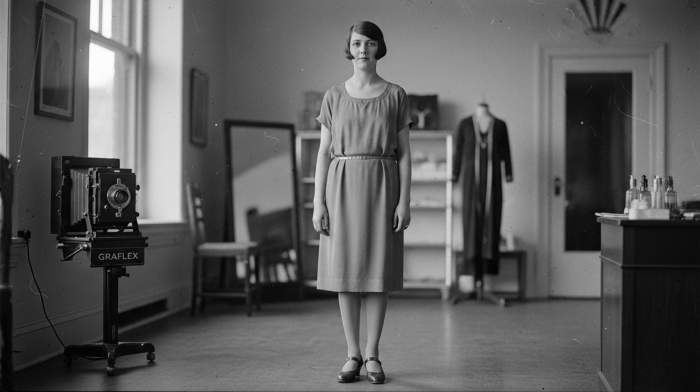
Why? Because the ideal Flapper look was flat-chested and straight. This boyish figure (known as the garçonne style in Paris) symbolized a rejection of the traditional roles of motherhood and domesticity. They wanted to be seen as equals to men—able to drink, smoke, drive, and work. The straight, loose fit of the dress further emphasized this freedom of movement. It was the original unisex fashion statement, decades before anyone coined the term.
- Must-Have Flapper Accessories:
- Long strands of pearls (often knotted below the waist).
- A deep, dark lipstick applied in a cupid’s bow shape.
- The ubiquitous cloche hat, pulled low over the brow.
- A cigarette holder (pure drama, even if you weren't smoking).
- T-strap shoes, essential for dancing the night away.
- Feather boas and wraps (for that extra dash of theatrical flair).
Jazz, Jive, and the Soundtrack of Rebellion
You can’t talk about the 1920s without talking about the music. Jazz wasn't just background noise; it was the heartbeat of the era. It was fast, it was improvisational, and it was scandalous. Born primarily out of African American communities in places like New Orleans and Chicago, jazz music was vibrant, complex, and absolutely electric. It was everything the polite, white, Victorian society wasn't.
When you listen to early jazz—think Louis Armstrong, Duke Ellington, or Jelly Roll Morton—you hear the energy of the decade. It’s raw, slightly dangerous, and totally infectious. This music demanded movement, and the Flappers were more than happy to oblige.
The Speakeasy Scene: Where the Real Action Was
The 1920s were defined by a massive contradiction: Prohibition. The government said, "No booze!" The people, especially the Flappers, said, "Hold my illegal gin!"
The Speakeasy—those hidden, illicit bars behind unmarked doors or disguised as legitimate businesses—became the ultimate melting pot. Unlike the rigid, segregated, and gender-separated saloons of the past, the Speakeasy was dark, cozy, and equalizing. Men and women drank together, danced together, and mingled with people from different social classes. This was where the Flapper truly thrived.
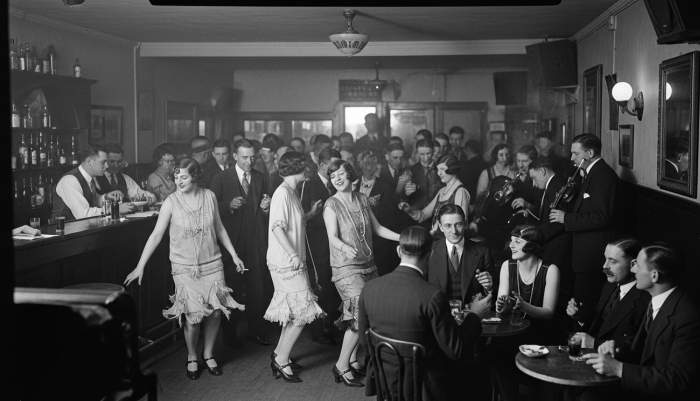
She wasn't just sipping champagne; she was getting tipsy on bathtub gin and chatting up bootleggers. The secrecy and danger only added to the glamour. If you weren't whispering a password to a shady character in a back alley, were you even living?
Dancing the Charleston: A Workout in Freedom
If you want a physical manifestation of the Flapper ethos, look no further than the Charleston. This dance was pure kinetic energy. It involved rapid kicks, twists, and wild arm movements. It was athletic, it was loud, and it required that radical short dress.
The Charleston was considered morally outrageous by the older generation. It was too suggestive, too uncontrolled, too wild. And that, my friends, is exactly why the Flappers loved it. They weren't just dancing; they were physically demonstrating their rejection of the old guard. Every kick was a statement: "I am free, I am strong, and I am having a blast, whether you approve or not!"
It’s no wonder the Flapper was often painted as a hedonistic menace in the papers. She was everything the post-war world feared: independent, sexually liberated, and completely uninterested in settling down to darn socks.
The Social Earthquake: Prohibition and the Vote
We can't forget the massive political backdrop. In 1920, the 19th Amendment granted women the right to vote. This wasn't just a piece of paper; it was a cultural shift that said women were now full citizens, capable of independent thought and political action. The Flapper was the ultimate expression of this newfound social power.
She wasn't necessarily a suffragette, but she was the beneficiary of their hard work. She took the political freedom they won and translated it into social and personal freedom. She used her vote, but she also used her short skirt to change the world.
The Sheik and the Siren: Hollywood's Influence
The 1920s were also the decade where Hollywood truly became the dream factory. Silent films provided the visual language for the Flapper look and attitude. Stars like Clara Bow (the ultimate "It Girl"), Louise Brooks (known for her iconic sharp bob), and Colleen Moore were fashion and behavior role models.
Clara Bow, with her mischievous eyes and pouty lips, embodied the carefree, slightly reckless spirit of the Flapper. These actresses showed women across America how to dress, how to flirt, and how to project an attitude of daring independence. They were the original influencers, setting trends that swept the nation faster than a jazz solo.
On the male side, you had Rudolph Valentino, the ultimate romantic lead, often playing exotic, brooding figures like "The Sheik." He brought a new level of sexual intensity and glamour to masculinity, which further fueled the decade's obsession with romance and excitement.
Gin, Glamour, and Gender Bending
The blurring of gender lines was a huge part of the 1920s vibe. Women were taking on traditionally masculine habits—smoking, drinking hard liquor, and driving automobiles. They were entering the workforce in greater numbers and delaying marriage.
The Flapper was often seen carrying a hip flask (hidden under that loose dress, naturally) and demanding a seat at the table—or rather, a spot on the dance floor. This isn't just about fun; it’s about control. The Flapper was asserting her right to be in public spaces, to engage in the same vices as men, and to enjoy life without male chaperones.
The era’s fascination with androgyny was revolutionary. Think about the women wearing suits and ties (like Marlene Dietrich would famously do a decade later, but the foundation was laid here). This was about stripping away the rigid external markers of gender and playing with identity. It was, dare I say, totally groovy.
Legacy: Why We're Still Obsessed
So, why does the 1920s still hold such sway over our collective consciousness? Because it was the first time that youth culture truly dictated the cultural landscape. It was the original "youthquake." Every subsequent generation of rebels—the Beatniks of the 50s, the Hippies of the 60s, the Punks of the 70s—owes a massive debt to the Flapper.
The Flapper taught us several crucial lessons that resonate today:
- Fashion as Freedom: Clothes are not just coverings; they are political statements.
- The Power of the Night: Fun and social mixing happens after dark, away from the watchful eyes of the establishment.
- Self-Definition: You don't have to look or act like your parents. You can invent yourself.
- Music is Revolutionary: New sounds break down old barriers.
The 1920s gave us the concept of "living for the moment." After a devastating war and before a crushing depression, there was a brief, sparkling window where optimism, recklessness, and sheer glamour reigned supreme. It’s a feeling we chase every time we put on a sparkly dress or order a fancy cocktail.
Flapper Style Today: Keeping the Vibe Alive
If you want to channel that killer Flapper energy today, it’s not about finding a perfect replica; it’s about adopting the attitude. It’s about being bold, being fun, and not caring if you spill a little bubbly.
You can bring the 1920s into your life by:
- Investing in rich textures like velvet, silk, and heavy beading.
- Embracing dramatic accessories, especially long, layered necklaces and chunky bracelets.
- Wearing a bold, dark lip color (the deeper the red, the better).
- Putting on some killer jazz and learning a few basic Charleston steps (seriously, it’s a workout!).
- Hosting a cocktail party where the lighting is dim and the conversation is scandalous.
The key is the confidence. The Flapper wasn't just dressing up; she was standing up. She had swagger, she had style, and she knew she was the most interesting person in the room.
Conclusion: The Decade That Said, "Catch Ya Later, Victorian Era!"
The 1920s Flapper was a force of nature. She was the original party girl, yes, but she was also a pioneer. She used fashion, music, and social rebellion to carve out a space for the modern woman—a woman who could work, vote, drink, and dance, all on her own terms.
She was the first woman to truly embrace being 'rad.' She was bold, she was beautiful, and she set the stage for every single rebellion that followed. So next time you see a picture of a dame with a fringe dress and a cloche hat, raise your glass (preferably filled with something illicit) to the Flapper. She wasn't just roaring; she was shouting, and her echo is still heard today. Far out!