
Putting on a vintage skirt is never just about pulling on a piece of cloth. It's like tapping into the spirit of the women who wore it first, feeling the echoes of their time. From the cinched-waist glamour of post-war bombshells to the slinky slips of the grunge era, each silhouette tells its own story of identity, rebellion, and change.
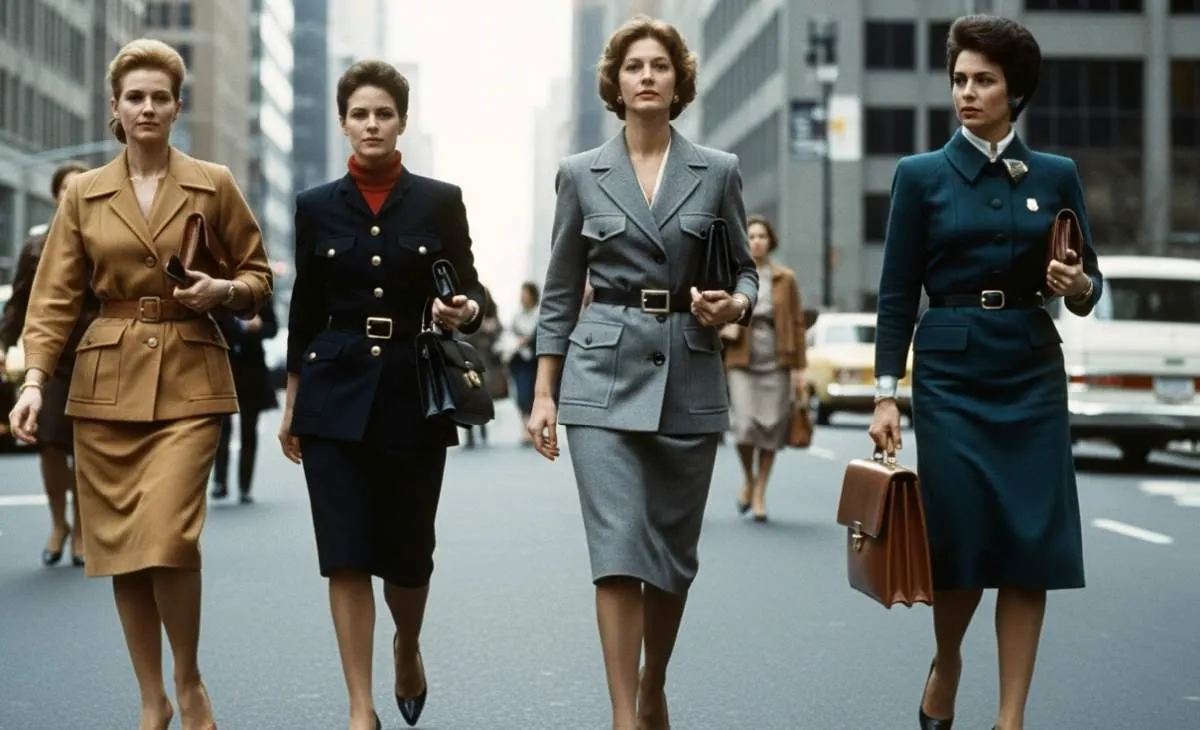
1950s: The New Look and Cinched Waists
After the austerity of the war years, the 1950s brought back a very structured kind of femininity. Full skirts, often supported by layers of crinoline, were cinched tight at the waist with a wide belt to create the iconic hourglass figure. Christian Dior’s influential 'New Look' championed this silhouette, making it the uniform of the well-dressed woman and evoking a playful, almost doll-like charm.
- The New Look Legacy: Thank Christian Dior for making women look like beautiful, blooming flowers again. The 'New Look' silhouette (debuted in '47 but dominating the '50s) featured a nipped-in waist and yards-and I mean yards-of fabric in the skirt. It was the ultimate rejection of wartime austerity.
- The Poodle Skirt Phenomenon: Okay, maybe not high fashion, but totally iconic! These felt skirts, often decorated with appliqués like poodles (hence the name) or musical notes, were the uniform of the rebellious youth, perfect for twisting and shouting at the local diner. They signaled fun, freedom, and rock-and-roll, even if they were still knee-length.
- The Petticoat Power: You couldn't get that dreamy volume without serious scaffolding underneath. Crinoline petticoats were absolutely essential, and some women wore up to six layers at once. Here's the wild part: the original crinolines of the 1850s were made from horsehair and linen, so stiff they could literally stand on their own. By the 1950s, nylon net had replaced all that scratchy scaffolding, making the dream of a full, bouncy skirt finally accessible to everyday women, not just the wealthy.
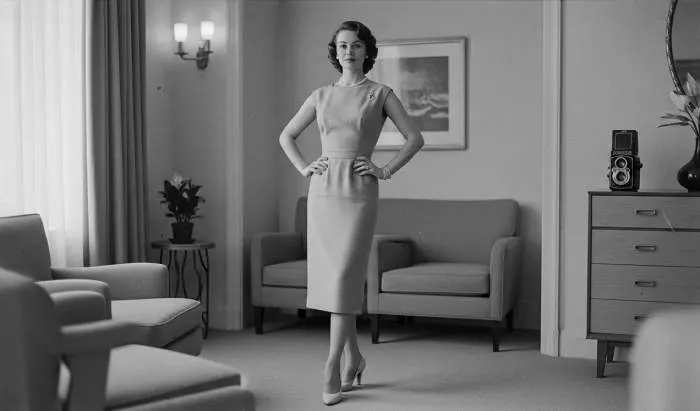
The sheath skirt offered a sleek alternative to all that volume. Clinging to the hips and falling straight down, it delivered understated Hollywood glamour. Audrey Hepburn perfected this look in films like 'Funny Face,' proving that a simple skirt could be just as powerful as a pouf of tulle.
1960s: Youthquake, Minis, and Maxis
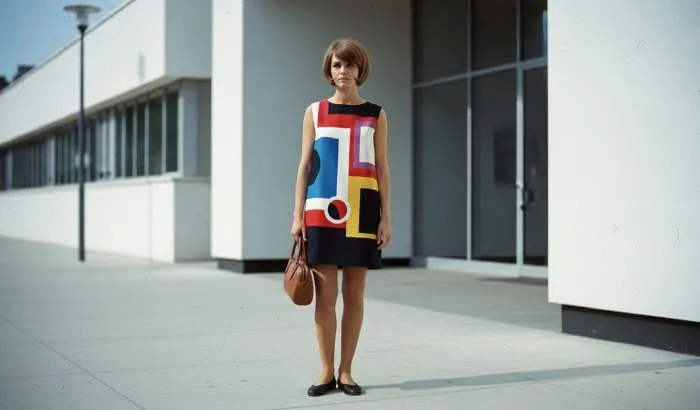
The 1960s exploded with the energy of youth rebellion, leaving the structured 50s firmly in the past. Fashion became fast, disposable, and daringly short. The mini skirt, popularized by designer Mary Quant, became the era's ultimate symbol of freedom, a direct challenge to the old rules.
The mini was sleek, often made of bright synthetics like vinyl or bold geometric prints. Paired with go-go boots and heavy eyeliner, it became the uniform of the Youthquake. Model Twiggy embodied the look, and Mary Quant called it 'a symbol of the sixties, of youth, of freedom.'
At the same time, the maxi dress and skirt emerged as the earthy, romantic counterpart to the mini. Made from natural fabrics like cotton and cheesecloth, and often featuring floral prints and bell sleeves, it became the uniform of the counterculture. Layered with beads and topped with a floppy hat, it was the essence of 60s bohemian chic.
1970s: Bohemian Flow and Disco Glam
The 1970s marked a major shift as more women entered the workforce. The wrap dress, introduced by Diane von Furstenberg in 1974, perfectly met the need for versatile, confident style. It was a dress that could transition from the office to a dinner date with effortless chic, becoming a symbol of a new kind of working woman's independence.
- The Working Woman's Savior: Often made in jersey knits with bold, graphic prints, it was comfortable enough for a long day but structured enough for a board meeting (or a disco!).
- Instant Confidence: It gave the wearer a defined waist without the need for restrictive undergarments. It was easy, breezy, and totally sophisticated-a true game-changer for women who were finally breaking out of the domestic sphere.
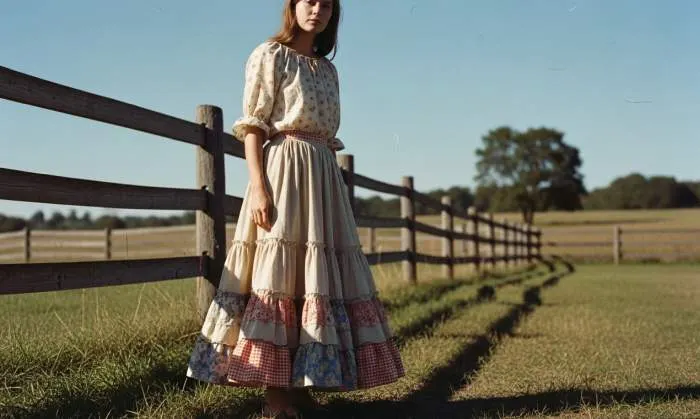
The decade also had a strong romantic, back-to-the-land streak, seen in the prairie skirt. Long, tiered, and often made of calico or gingham, it evoked a 19th-century pioneer spirit. Paired with a peasant blouse and clogs, it was the ultimate expression of earthy, comfortable boho chic.
Of course, nightlife had its own uniform. Disco dresses shimmered under the lights of clubs like Studio 54, made from Lurex, satin, or slippery polyester. With high slits, halter necks, and sequins, they were designed for one thing: dancing until dawn.
1980s: Power Dressing and Denim Rebellion
The 1980s were all about bigger, brighter, and bolder. In the boardroom, power suits with short, tight skirts and aggressively padded shoulders became the armor of the female executive. Television shows like 'Dynasty' and 'Dallas' made this look iconic, a visual command for respect that aimed to shatter the glass ceiling.
- The Silhouette: The jacket was oversized, broad-shouldered, and often double-breasted. The skirt? Almost always a knee-length Pencil Skirt. The pencil skirt of the 80s was tighter, more restrictive, and designed to emphasize a powerful stride rather than a gentle sashay.
- The Message: This silhouette was about authority, wealth, and seriousness. It was the uniform of Wall Street and Hollywood moguls. Paired with a silk scarf and high heels, it screamed, "I am in charge, and I have great hair."
If workwear was severe, party wear was pure, unadulterated fun. The 80s loved dramatic volume, exemplified by the bubble skirt and the pouf dress. Made of stiff taffeta or layers of tulle, they created sculptural, almost architectural shapes that were perfect for proms and school dances, making a statement you couldn't ignore.
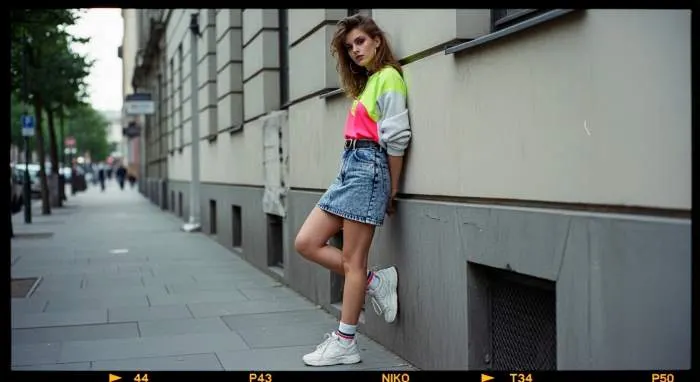
While high-fashion focused on power shoulders, the casual scene had its own rebellion. Acid-wash denim was everywhere, and the denim mini-skirt made a huge comeback. Worn high-waisted with an oversized sweatshirt or a neon crop top, it was accessible, cool, and a little bit tough. Its short, boxy cut could even give the illusion of a skirt that looks like shorts from certain angles, blending practicality with a dash of attitude.
1990s: Minimalism and the Slip Dress
After the maximalist excess of the 80s, the 90s dialed everything way back. Minimalism ruled, with its ethos of 'less is more' reflected in natural makeup, simple lines, and an air of effortless cool.
Nothing captured this minimalist spirit better than the slip dress. It took the intimate, bias-cut lingerie slip of the 1930s and defiantly wore it as outerwear. Made of slinky satin or silk with whisper-thin straps, it just skimmed the body. Worn by supermodels like Kate Moss and Naomi Campbell, it became the uniform of the era, sexy without trying, elegant without effort. This look is a perfect example of how to rock the '90s slip dress with timeless style today.
Conclusion: The Enduring Legacy of Vintage Skirts
From the structured glamour of the 1950s to the minimalist chic of the 1990s, each decade's iconic skirt tells a story about the women who wore it and the world they navigated. These garments were more than just fashion; they were tools of expression, rebellion, and identity. The legacy of these vintage silhouettes continues to inspire modern style, proving that a great skirt truly can change everything.
What was the purpose of a crinoline petticoat in the 1950s?
Crinolines weren't just for volume-they were a secret weapon of social status. In the 1950s, a woman's petticoat layers signaled her commitment to domestic perfection, with some even using starched netting to create that perfect bell shape. The trend actually sparked a minor scandal when rebellious teens started wearing them without slips, revealing their underwear beneath!