
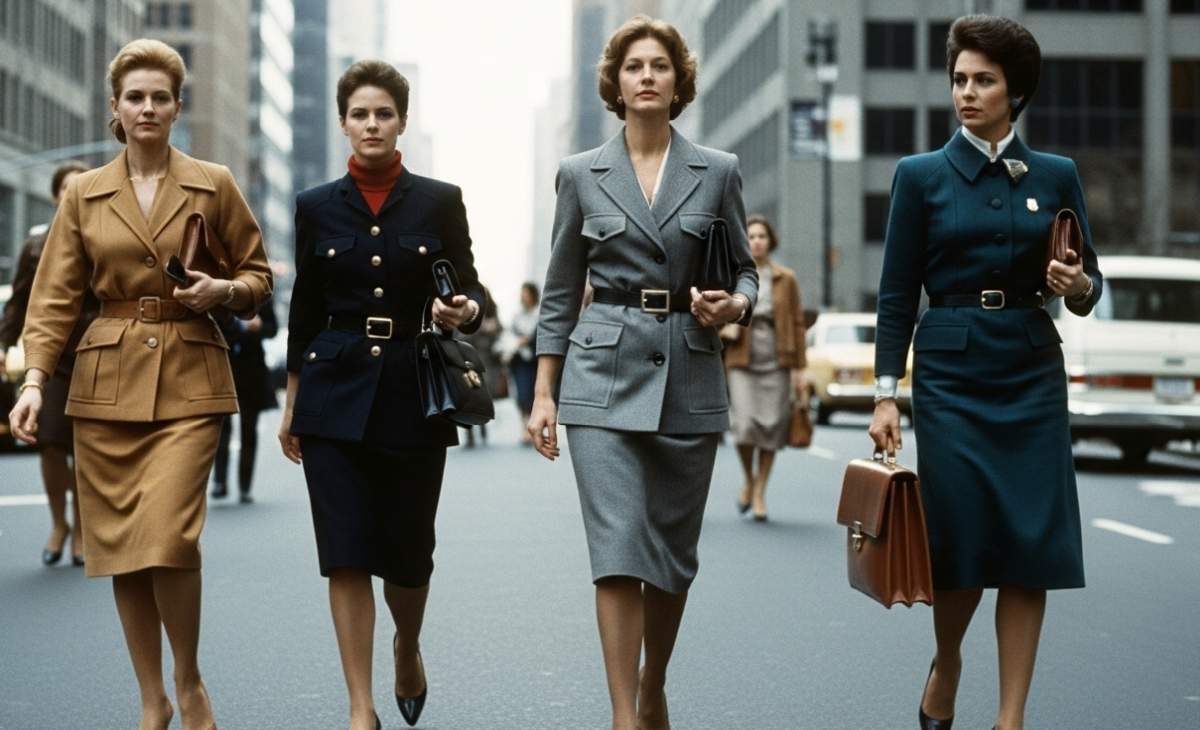
Hey there, dollface! Grab your favorite soda pop and settle in, because we are about to take a righteous trip down memory lane. We’re talking about the threads, the frocks, the skirts that didn't just cover us up—they told a story. They were the cultural signposts, the rebellion flags, the ultimate power moves of every single era.
Forget those boring, dry fashion histories. We’re here for the vibe! When you slip into a vintage piece, you’re not just wearing fabric; you’re channeling the energy of the women who wore it first. You’re tapping into the revolutionary spirit of the Mini Skirt or the serious, take-no-prisoners attitude of the 1980s Power Suit.
From the cinched-waist glamour of the post-war bombshells to the slinky, barely-there slips of the grunge era, the silhouette is everything. It dictates how you walk, how you sit, and how the world sees you. So let’s dive in, daddy-o, and explore the iconic vintage dresses and skirts that truly defined the golden decades.
The Fabulous Fifties: Curves, Comfort, and Conformity
Ah, the 1950s. The war was over, the economy was booming, and fashion was all about reclaiming femininity—but on a highly structured budget, if you catch my drift. Everything was tailored, pressed, and designed to emphasize the hourglass. This era was all about the foundation garments, girls! You needed a proper girdle to rock these looks.
The Gamine Charm: Shirtwaists and Full Skirts
If you were a suburban sweetheart or a college co-ed, the Shirtwaist Dress was your uniform. It was practical, buttoned-up (literally), and looked equally great whether you were hosting a bridge club or waiting for your fella to come home from the office. But the real star? The full skirt!
- The New Look Legacy: Thank Christian Dior for making women look like beautiful, blooming flowers again. The ‘New Look’ silhouette (debuted in '47 but dominating the '50s) featured a nipped-in waist and yards—and I mean yards—of fabric in the skirt. It was the ultimate rejection of wartime austerity.
- The Poodle Skirt Phenomenon: Okay, maybe not high fashion, but totally iconic! These felt skirts, often decorated with appliqués like poodles (hence the name) or musical notes, were the uniform of the rebellious youth, perfect for twisting and shouting at the local diner. They signaled fun, freedom, and rock-and-roll, even if they were still knee-length.
- The Petticoat Power: You couldn't get that dreamy volume without serious scaffolding underneath. Crinoline petticoats were essential. They gave the skirt lift and bounce, making every twirl feel like a scene from a Technicolor movie.
The Sheath: Sleek and Serious
Not every woman was ready to be swallowed by yards of taffeta. For the sophisticated set—think Marilyn Monroe or the chic office secretary—the Sheath Dress was the ticket. This silhouette was straight, fitted, and ended right around the knee. It was understated glamour, perfect for showing off a killer figure without all the fuss of a full skirt.
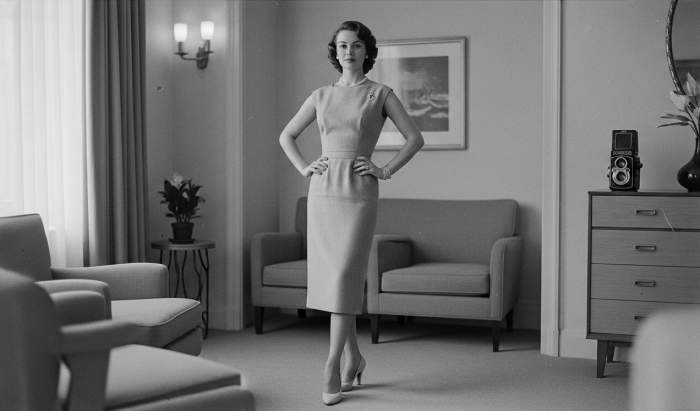
The sheath was a precursor to the modern power dress. It said, “I am here, I am stylish, and I am not messing around.” Pair it with a pearl necklace and a pair of kitten heels, and you were ready for anything, from a cocktail party to typing up the quarterly reports.
Swinging Sixties: Youthquake and Revolution
Hold onto your beehives, because the 1960s exploded like a firecracker! The youth culture took over, and suddenly, the stiff, structured look of the 50s felt ancient. Fashion became fast, disposable, and most importantly: short. The vibe was playful, futuristic, and totally, utterly Mod.
The Mod Mini: Legs for Days
If there is one silhouette that screams '60s rebellion, it’s the Mini Skirt. Mary Quant, bless her heart, brought the hemline up, up, up! This wasn't just about fashion; it was a political statement. Showing your knees? Scandalous! Showing your thighs? Revolutionary!
The mini was sleek, often made of bright, synthetic fabrics like vinyl or geometric prints. It was paired with go-go boots and heavy eyeliner. It was the uniform of Twiggy and the 'Youthquake'—a celebration of youth, freedom, and the belief that the future was now. If you didn't have a mini, you weren't groovy!
The Shift Dress: Straight Up Cool
The Shift Dress was the ultimate antidote to the nipped-waist of the previous decade. It hung straight from the shoulders, requiring zero tailoring and zero girdles. It was simple, sometimes sleeveless, and often featured bold color blocking or space-age patterns.
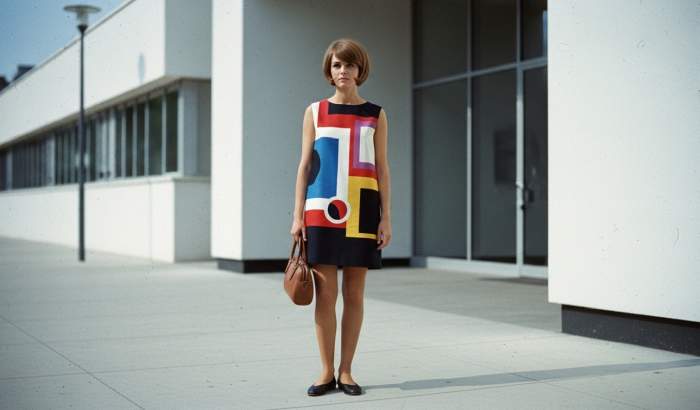
Jackie Kennedy (later Onassis) popularized the sophisticated shift, often worn with a matching coat and pillbox hat. It was clean, elegant, and allowed for movement. It was the perfect canvas for those wild, pop-art prints that defined the mid-sixties aesthetic. It was comfortable, cool, and totally boss.
Psychedelic Maxi: Hippie Flow
As the decade wound down, the hemlines went in two directions: ultra-mini, or floor-length Maxi. The Maxi Dress was the spiritual sister of the mini—it represented freedom, but the freedom of the earth and nature, rather than the urban Mod scene. Think natural fabrics, floral prints, bell sleeves, and a whole lot of flow.
This was the uniform of the counterculture. It was worn over bare feet or sandals, often accessorized with fringe and beads. It was far out, man, and proved that a dress could be both glamorous and completely comfortable while you were listening to Jimi Hendrix at Woodstock.
Groovy Seventies: Freedom, Flow, and Feminism
The 1970s was the decade of transition. Women were entering the workforce in droves, and they needed clothes that could keep up. The mood was relaxed, natural, and highly individualistic. Structured clothing? Fuhgeddaboudit. We wanted comfort, flow, and versatility.
The Wrap Dress: Effortless Chic
If the 70s had a queen, it was Diane von Furstenberg, and her masterpiece was the Wrap Dress. This silhouette was revolutionary because it was utterly simple, flattering on every body type, and required no complicated zippers or buttons. You literally just wrap it and tie it.
- The Working Woman’s Savior: The wrap dress was the perfect bridge between professional and feminine. Often made in jersey knits with bold, graphic prints, it was comfortable enough for a long day but structured enough for a board meeting (or a disco!).
- Instant Confidence: It gave the wearer a defined waist without the need for restrictive undergarments. It was easy, breezy, and totally sophisticated—a true game-changer for women who were finally breaking out of the domestic sphere.
The Prairie Skirt: Earthy and Ethereal
The decade’s love affair with all things natural and handmade led to the rise of the Prairie Skirt. These were long, often tiered or ruffled skirts, usually in calico prints, gingham, or natural cottons. They were a nod to Americana and a romanticized vision of simple, rural life.
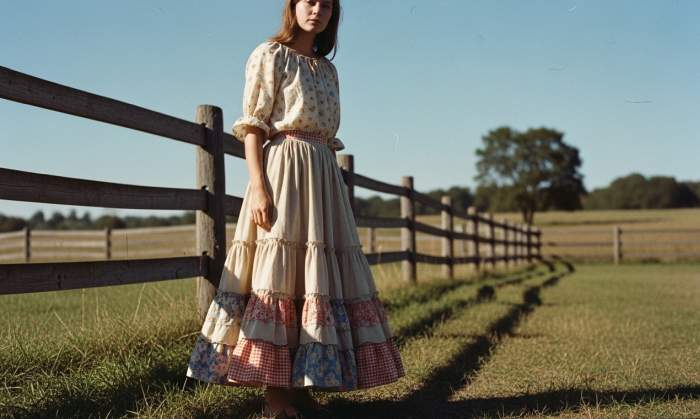
Paired with a peasant blouse and clogs, the Prairie Skirt was the ultimate expression of the Boho chic movement. It was earthy, romantic, and totally comfy. While some found it a bit too Little House on the Prairie, it was a beautiful, feminine contrast to the sharp lines of the disco scene.
Disco Glam: Halters and Slits
When the sun went down, the hemlines went up and the fabrics got shiny. The Disco Dress silhouette was designed for movement under the flashing lights of Studio 54. We’re talking slinky, bias-cut dresses, often featuring halter necks, deep plunging V-necks, and dramatic side slits that showed off a whole lot of leg.
These dresses were usually made of shimmering synthetics like Lurex, satin, or polyester (hey, it was the 70s!). The silhouette was long and lean, emphasizing a dancer’s body. It was all about drama, baby! Think Cher, Bianca Jagger, and enough sparkle to blind a bystander.
Radical Eighties: Power Shoulders and Excess
The 1980s were totally tubular! This decade was defined by excess, ambition, and big, bold statements. After the flowy, natural looks of the 70s, fashion snapped back to structure, but this time, it was aggressive structure. If you weren't wearing shoulder pads the size of dinner plates, you weren't trying hard enough.
The Power Suit Skirt: Serious Business
The rise of the female executive demanded a uniform that commanded respect. Enter the Power Suit. While pantsuits were common, the skirt suit was the ultimate sign of a woman who was ready to break the glass ceiling.
- The Silhouette: The jacket was oversized, broad-shouldered, and often double-breasted. The skirt? Almost always a knee-length Pencil Skirt. The pencil skirt of the 80s was tighter, more restrictive, and designed to emphasize a powerful stride rather than a gentle sashay.
- The Message: This silhouette was about authority, wealth, and seriousness. It was the uniform of Wall Street and Hollywood moguls. Paired with a silk scarf and high heels, it screamed, “I am in charge, and I have great hair.”
The Bubble & Pouf: Volume is King
If the workwear was severe, the party wear was pure, unadulterated fun. The 80s loved volume, and nothing exemplified this better than the Bubble Skirt and the Pouf Dress. These were often seen on prom queens and pop stars (hello, Madonna!).
The Bubble Skirt was gathered at the hemline, creating a rounded, voluminous shape that defied gravity. It was often shiny, ruffled, or paired with lace gloves. This silhouette was theatrical, dramatic, and totally gnarly. It was fashion as pure performance art.
Denim Skirts: Grunge Prep
While the high-fashion world was consumed by shoulder pads, the casual scene was dominated by acid-wash denim. The denim mini-skirt made a huge comeback, often worn high-waisted and paired with oversized sweatshirts or neon tops. It was casual, accessible, and a little bit rebellious.
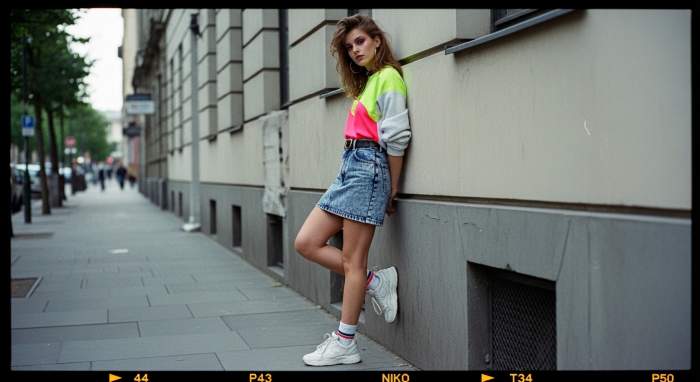
The 80s also saw the rise of the ‘rah-rah’ skirt—a short, tiered skirt often associated with cheerleaders or sporty styles. It was a youthful, energetic counterpoint to the severity of the business wardrobe.
Nifty Nineties: Minimalism and Grunge
After the maximalist explosion of the 80s, the 90s hit us with a palate cleanser. The mantra was "less is more," and fashion swung hard towards minimalism, natural makeup, and a general sense of effortless cool. Silhouettes became simpler, cleaner, and often looked like they were borrowed from the bedroom.
The Slip Dress: Undressed Glamour
The Slip Dress is perhaps the most defining silhouette of 90s high fashion. Inspired by lingerie, this dress was usually cut on the bias, made of silk or satin, and looked like something you might wear to bed—but worn out to a black-tie event.
- Barely There: It was slinky, sometimes sheer, and often featured delicate spaghetti straps. It was worn by supermodels like Kate Moss and Naomi Campbell, usually paired with nothing but a pair of strappy heels or combat boots (depending on your mood).
- The Vibe: The slip dress was the ultimate expression of anti-fashion glamour. It said, “I didn’t try, but I still look amazing.” It was sexy, understated, and completely changed the game for evening wear.
The A-Line Revival: Clean Lines
For daywear, the A-Line silhouette made a sophisticated return. Unlike the full A-line of the 50s, the 90s version was sleek, structured, and often cut in heavy, matte fabrics. Think Calvin Klein or Donna Karan—clean, architectural lines that favored simplicity over ornamentation.
This silhouette was often seen in mini or knee-length skirts, usually paired with a simple turtleneck or a crisp white shirt. It was grown-up prep, polished, and totally chic. It was the perfect rejection of the big hair and loud prints of the previous decade.
Flannel and Floral: The Grunge Shift
On the other end of the spectrum, the Grunge movement offered its own iconic dress: the Baby Doll Dress. This silhouette was short, loose, and often featured a high empire waist. It was frequently made in muted floral prints and worn over leggings or ripped tights.
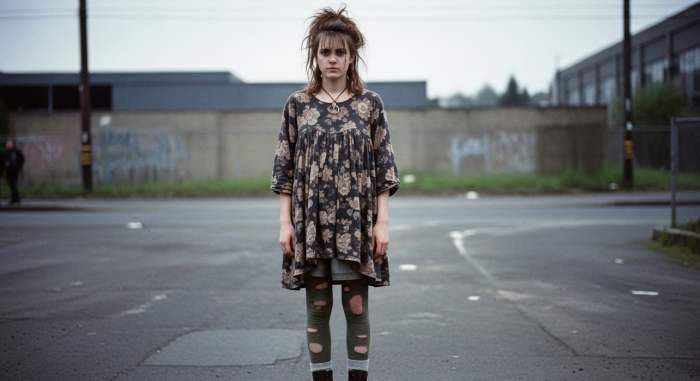
The key to the Grunge look was juxtaposition: pairing the hyper-feminine baby doll dress with heavy, masculine elements like combat boots, oversized cardigans, and, of course, a flannel shirt tied around the waist. It was messy, moody, and deeply influential, proving that true style comes from attitude, not just tailoring.
Why These Silhouettes Endure
You see, honey, fashion is a pendulum. It swings from the restrictive structure of the 50s to the loose freedom of the 70s, then back to the exaggerated power of the 80s, and finally settling into the minimalist cool of the 90s. But the best part? All these looks are still totally wearable today!
Whether you're channeling your inner Mod girl with a geometric mini, feeling like a disco diva in a slinky wrap dress, or embracing the quiet confidence of a 90s slip, these vintage silhouettes offer a roadmap to understanding not just how women dressed, but how they lived, worked, and fought for their place in the world.
So next time you’re thrifting, don’t just look at the color—look at the cut! Find the silhouette that speaks to your soul and wear that history like the crown it is. Stay groovy, dolls!