
From Soft Waves to Wartime Safety
The late 1930s were a world of soft Hollywood glamour. Think of Jean Harlow and Carole Lombard, with their shoulder-length hair falling in gentle, sophisticated waves. These looks were beautiful, but they were high-maintenance salon affairs. The world was about to change drastically, and with it, the very notion of what a hairstyle could be.
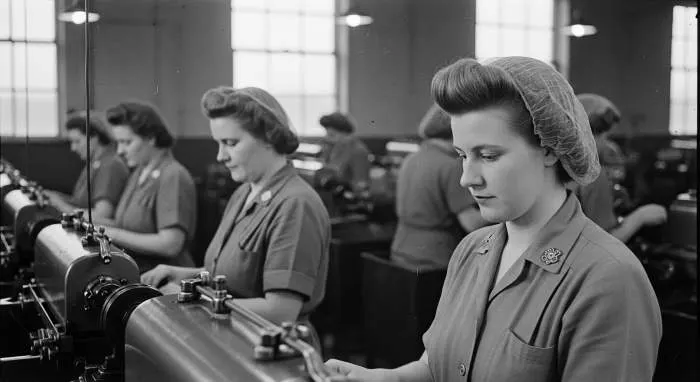
When World War II erupted, women answered the call to action in factories, shipyards, and munitions plants. Suddenly, long, loose hair wasn't just inconvenient, it was a genuine safety hazard around heavy machinery. The practical need to keep hair secured and off the face and neck became paramount, and the traditional salon visit was a luxury of the past.
This shift created the perfect conditions for a new style to emerge. Women needed something safe, but they also craved a way to hold onto their sense of femininity and style amidst the grim reality. The solution had to be both functional and a morale booster.
What Exactly Is a Victory Roll?
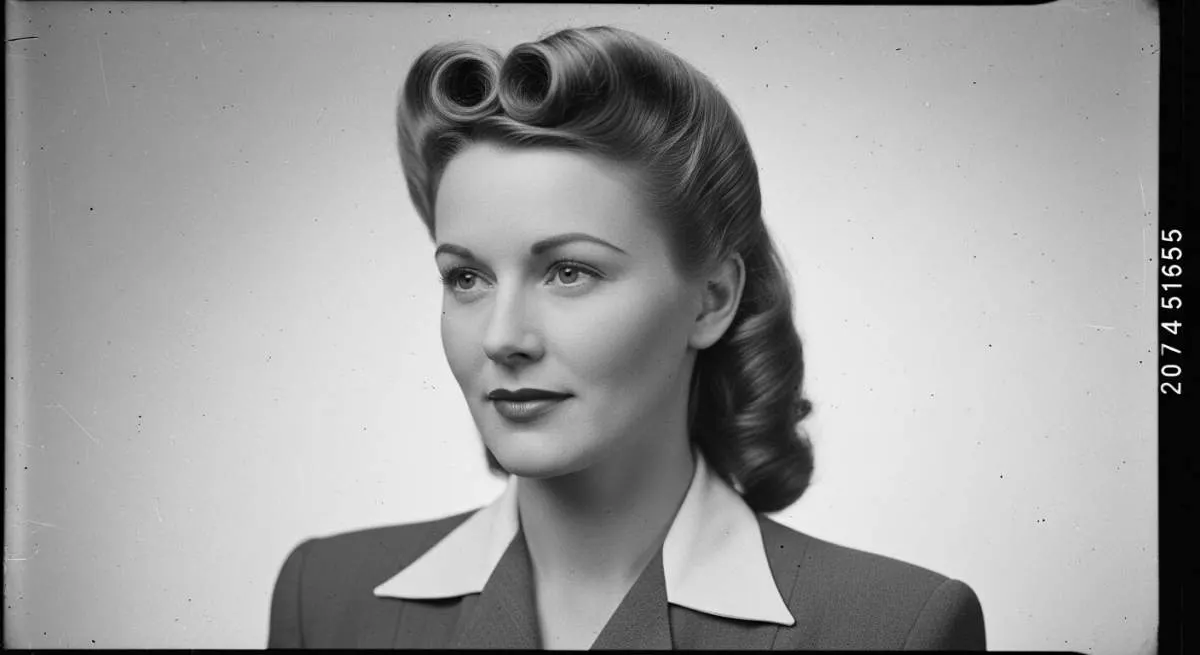
So, what are victory rolls? They are sculpted, rolled sections of hair, named for the celebratory aircraft maneuver. The shape was intentionally glamorous, yet its core purpose was pure practicality: keeping longer hair neatly controlled. It was a look born from necessity that projected an incredible sense of confidence.
Aesthetically, the rolls created a distinctive "V" shape, widely seen as a patriotic nod to "Victory" itself. Wearing this hairstyle became a visible declaration of national unity and optimism. It wasn't just about looking good; it was about projecting strength and an unbroken spirit right from the crown of your head.
As one might say from the era, "We had to make do, and we did it with grace. Every rolled curl was a small act of defiance, a promise that our spirit wouldn't be broken." This sentiment captures the heart of the style perfectly.
Creating Glamour from Scarcity
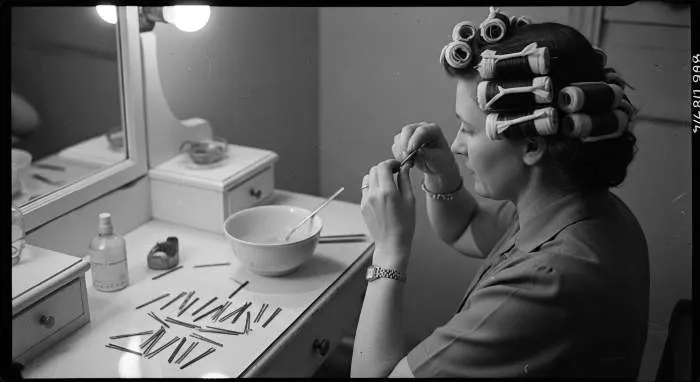
Rationing didn't stop at food and fuel. Hairpins, setting lotions, and hairspray became scarce treasures. This environment of austerity forced incredible ingenuity. Women became masters of DIY, using whatever they could find to achieve the look.
Rag curlers, sugar water, or diluted setting lotions were common stand-ins for professional products. Hairpins were straightened and reused until they practically fell apart. The desire for a neat appearance was so strong that even these makeshift tools were used with unwavering dedication. Home permanents also surged in popularity, as a base of curl made styling into those signature rolls much faster each morning.
Stars like Betty Grable and Rita Hayworth inspired millions with their glamorous, rolled variations. But Hollywood's role went beyond mere trendsetting. Veronica Lake's famous "peek-a-boo" bang became a genuine public safety concern. The U.S. government estimated that thousands of women workers were injuring themselves copying her long, face-sweeping style near machinery.
Officials personally asked her to cut it on camera as a safety message, which she famously did, adopting a neat, rolled-up look. This episode shows just how deeply wartime needs influenced even the highest levels of glamour, cementing the Victory Roll's symbolism.
A Style for Day and Night
The beauty of the Victory Roll was its incredible versatility. It transitioned seamlessly from the factory floor to evenings spent dancing at USO clubs. Its polished yet resilient aesthetic worked for both a hard day's work and a night of social connection.
This adaptability meant it was more than a workplace mandate; it was a style women embraced to maintain their dignity and find joy. It became a constant companion, a reliable part of their pivotal decade.
Personal Expression Through Variation
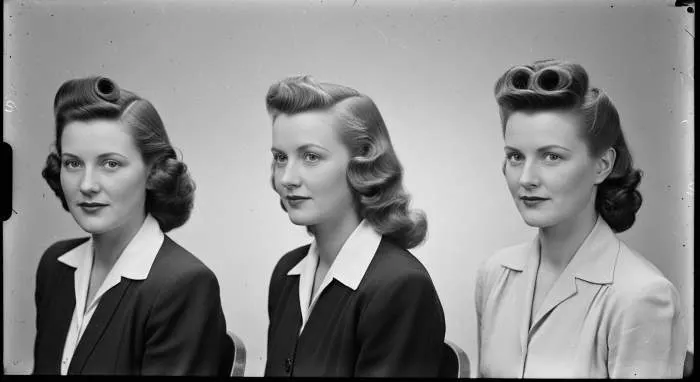
There was never just one rigid Victory Roll style. It was a whole family of looks adapted to different hair types and personal tastes. Some women favored tight, symmetrical rolls framing the face like a crown. Others preferred looser, romantic waves that gathered into a single, elegant roll at the nape of the neck.
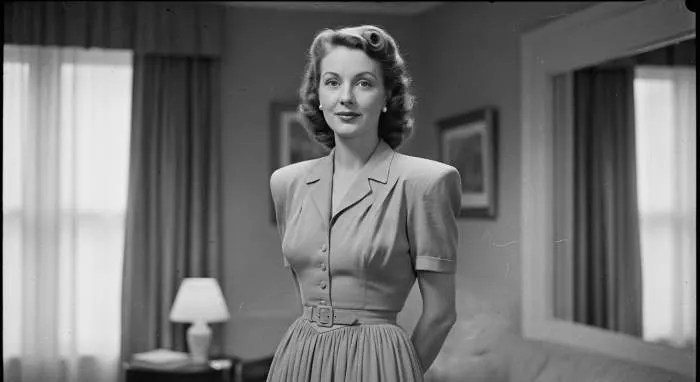
Hair accessories were not just fashionable; they were crucial practical partners. Scarves, snoods, and turbans protected hair from factory grime, kept it neatly contained, and added a desperately needed touch of flair when other adornments were impossible to find. They completed the look, proving that style could flourish even in the most utilitarian settings.
The Post-War Shift and Lasting Legacy
When peace finally arrived, a collective desire for change swept through fashion and beauty. The structured, utilitarian look of wartime gave way to a renewed emphasis on softness and luxury. Christian Dior's revolutionary "New Look" in 1947 celebrated cinched waists and voluminous skirts, a dramatic departure from the angular silhouettes of the war years.
Hair followed suit, moving towards softer waves, natural curls, and the short, neat styles of the early 1950s. The strict practicality of the Victory Roll gradually faded as women embraced new freedoms and regained access to beauty products.
But the Victory Roll never truly disappeared. It transitioned into a powerful symbol of vintage glamour, becoming a cornerstone of Pin-up culture. This subculture reveres the style as a quintessential embodiment of strength, allure, and self-assured femininity from the mid-20th century.
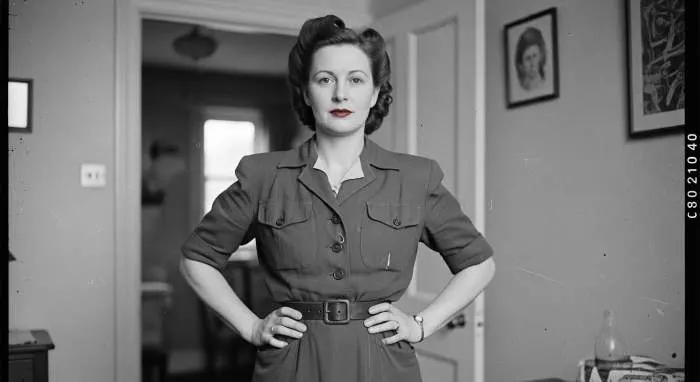
The Victory Roll was an integral part of the broader 1940s fashion aesthetic. It perfectly complemented the sensible yet stylish clothing of the era: women's suits with padded shoulders, dresses with nipped waists, all made from durable, utilitarian fabrics.
This hairstyle perfectly captured the concept of wartime style itself. It was an act of patriotism and a demonstration of sheer resourcefulness. Just like the "make do and mend" attitude with clothing, or the defiant swipe of red lipstick when makeup was rationed, the Victory Roll offered maximum visual impact with minimal resources.
It was a testament to the human spirit's ability to find beauty and maintain morale under the most austere conditions. From its practical origins on the factory floor to its enduring status as a symbol of vintage allure, the Victory Roll tells a profound story of adaptation, strength, and defiant glamour that continues to inspire us today.
What does a victory roll hairstyle look like
The Victory Roll's sculpted shape was actually inspired by the barrel roll maneuver pilots performed to celebrate a win in the sky. Women would pin the rolls so tightly they could last for days, a clever trick to save precious setting time during wartime rationing.