
The Vibe: When Perfume Smelled Like Danger and Money
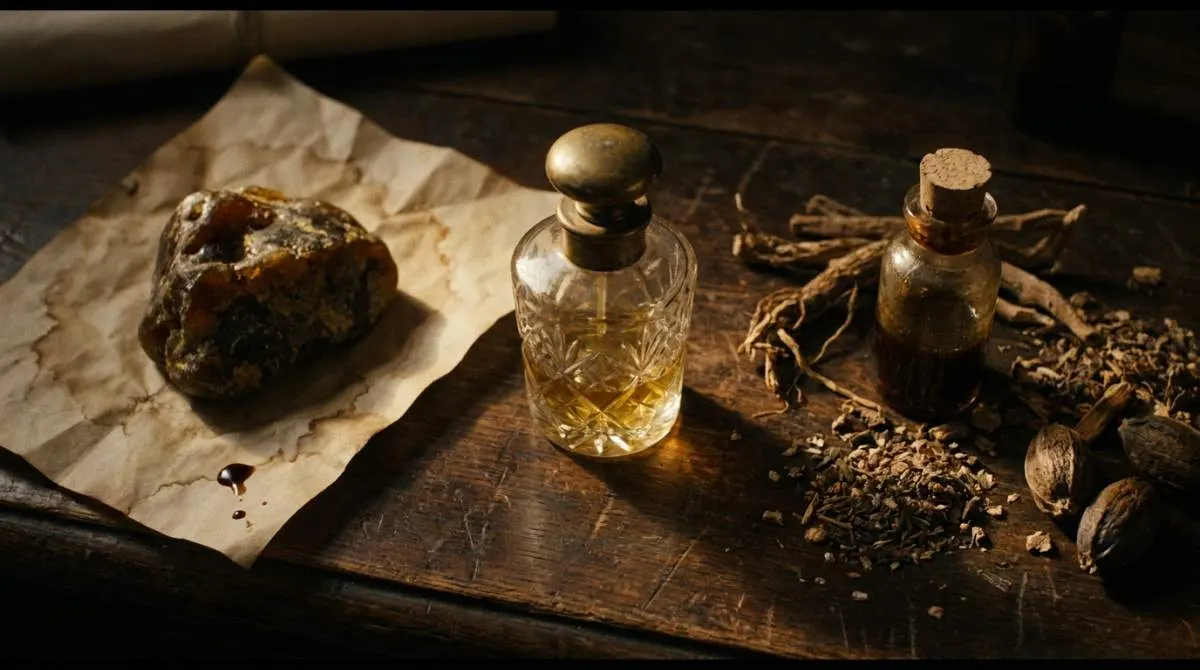
Some stories carry a weird chill. This one starts in a world both glamorous and grimy. Think of a 1920s speakeasy thick with smoke and illicit champagne. The air was heavy, sweet, and a little rotten. That was the smell of old money, and it came from a whale's stomach [1].
Perfume back then was not about gardens. It was about secrets. The richest women in Paris and New York wore scents that clung like velvet gloves, dense, animalic, and deeply strange. The whole industry ran on ingredients that would make a modern chemist faint: ambergris from whale vomit, musk from deer glands, and even castoreum from beaver anal sacs. Each one was a secret weapon, turning simple floral blends into intoxicating, animalic masterpieces that clung to skin like a memory [2].
This was the era of the flapper and the jazz club. Women wanted a scent that lingered in a room long after they left, and these bizarre animal notes delivered exactly that. It was raw, primal, and completely unapologetic [3].
I once found a tiny dented bottle of vintage perfume at a flea market in Brooklyn. The label was faded, but the smell hit me like a punch. It was sweet, dirty, and impossibly deep, like a ghost story in a bottle. That was the power of these old ingredients.
The Dark Glamour of the Old World
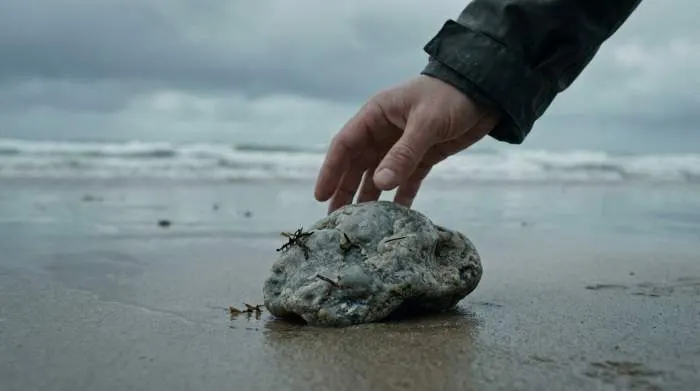
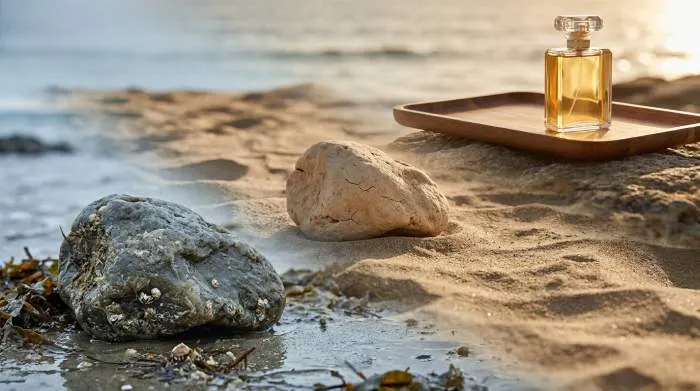
Here is the part that makes people gag. The secret behind the world's most expensive scents is not a rare flower. It is whale vomit and deer gland goo. Ambergris is a waxy substance that forms in the gut of a sperm whale. The whale coughs it up, and it floats in the ocean for years. Sunlight and salt water cure it into a sweet, earthy, almost tobacco-like aroma. It is worth more than gold.
Then there is musk. Real musk comes from a gland on the belly of the male musk deer. The deer secretes a paste that smells like a barnyard on a hot day. But when diluted, it becomes warm, animalic, and deeply human. It makes a perfume smell like skin, but better. It is the scent of attraction, pure and raw.
The Secret: Ambergris and Musk, The Stomach-Churning Truth Behind Luxury
Before synthetic chemistry, perfumers had a problem. Their beautiful floral notes evaporated in minutes. A rose scent would vanish before you left the house. Ambergris solved that. It acted as a fixative, locking lighter notes onto your skin for hours. But it also added a shimmering, salty warmth no flower could replicate.
Why Ambergris Was the Original Fixative
Musk is the backbone of nearly every classic perfume. It makes a fragrance feel like it belongs on your skin. But the real stuff is brutal to harvest. The deer is killed, and the gland is dried in the sun. The result is a dark, greasy paste that smells like sweat and hay. It is the reason your grandmother's Estée Lauder perfume smelled so intoxicating. It was not just flowers. It was animal, primal, and completely unhinged.
Behind the Scene · Fictional Simulation
The Jar That Would Not Keep
Mabel, a dockside warehouse sorter in New York, works the crates in 1925.
The warehouse air was so cold my fingers went stupid inside my gloves, and the only light hung in one yellow bulb over the loading bay, swinging a little whenever a draught came off the river. I was breaking open crates of imported perfume stuff, straw packing everywhere, straw in my cuffs and down my collar. My knife went through the lid of a squat jar and came back wet. Something had leaked and soaked the packing through, and the smell that came up was not perfume at all. It was the sea, and old, and wrong.
My supervisor appeared at my elbow before I had finished lifting the jar clear. He said the customs man was already on the stairs, and this crate wanted closing and the straw wanted replacing, and nobody wanted a fuss. So I stood there with the thing dripping onto my boots while he fetched fresh packing, and the smell kept spreading down the bay like something walking. When he came back I was still holding it. The bulb swung once. Every man on the floor had stopped working and turned his face towards me.
A fictional scene written for this article — not a real account.
How Musk Deer Became the Ghost in the Machine
It is the invisible thread that ties the top notes to the base notes. It makes the scent last, but more importantly, it makes the scent feel alive. It breathes on your skin. It changes as your body heat shifts. That is the magic that no synthetic has ever fully replicated.
By the 1990s, most major houses abandoned natural ambergris and musk. The cost was too high, the supply too unstable, and the ethics too questionable. But the old formulas still exist. Vintage bottles still hold the real stuff. If you ever smell one, you will understand why people paid a fortune for it. It is not just a perfume. It is a ghost story on your wrist.
- The Era:1920s speakeasies where perfumes smelled animalic and rich.
- The Illusion:Luxury perfumes hid their origins in whale vomit and musk.
- The Reality:Ambergris is whale vomit; musk is deer gland paste.
- Modern Echo:Synthetic musk lacks the depth of natural animalic notes.
Then it got stranger. Kurt Cobain, the king of ripped jeans and thrift-store cardigans, was reportedly a fan of real musk. People close to him said he kept a small vial of concentrated musk oil. He would dab it on his wrist before a show. It was his secret armor. He wanted to smell primal under all that flannel.
The Alchemy of Dilution
These ingredients never went mainstream again. But they became a secret handshake. If you knew what ambergris smelled like, you were in the club. If you could name the deer that gave you that musky hit, you were a connoisseur. The legacy of whale vomit and musk deer is not in a department store. It is in the back of a vintage shop, in a handwritten label, in the memory of a Prince concert. That is where the weird perfume secret still lives, quiet and powerful, waiting for the next weirdo to find it.
The Legacy: From Prince's Boudoir to Grunge's Dark Edge
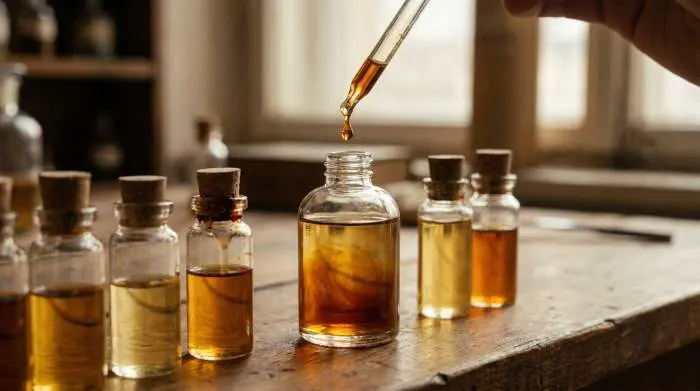
Walk into a department store and spray a new amber fragrance. It dries down sweet and flat. That piece of perfume deception is the industry's dirty little trick. They replaced real animal musks with clean, safe, and boring molecules. It smells nice and goes away fast. But a small group of niche perfumers started asking a dangerous question: what if we made the old weird stuff in a lab without the ethical baggage?
Prince's Scent of Royalty
Firmenich and Givaudan cracked the code. They built synthetic versions of ambergris and musk that smell richer and last longer than the original. Suddenly, a perfumer could use a molecule that smelled like a sweaty animal hide without killing anything. The revival was not about nostalgia. It was about getting the old thrill without the guilt.
The Unlikeliest Heir: Kurt Cobain
The musk deer is a tiny animal that looks like a vampire with its fangs. It is also critically endangered. The musk pod, a gland the size of a walnut, was worth more than gold. Most countries banned the trade in the 1970s and 1980s. That should have been the end. But the smell was too good to abandon.
Ambergris is whale vomit. Let us not sugarcoat it. A sperm whale ejects a waxy lump from its gut. It floats in the ocean for years until it washes ashore. It smells like salty, sweet, marine funk. The modern revival realized something clever: the same chemical compound, ambroxan, can be made from clary sage. And it smells even better. It is cleaner, brighter, and less likely to ruin your clothes. The result is the backbone of almost every fresh men's cologne on the market.
The industry does not say whale vomit on the bottle. They say marine accord and hope you do not ask questions. That perfume deception is still alive. But it is no longer about lying. It is about creating the same emotional hit without the real-world cost. The modern revival is a clever, synthetic cheat code. It gives you the old thrill without the old guilt. And honestly? It smells even better.
Modern Revival: Why Synthetics Finally Beat the Real Stink
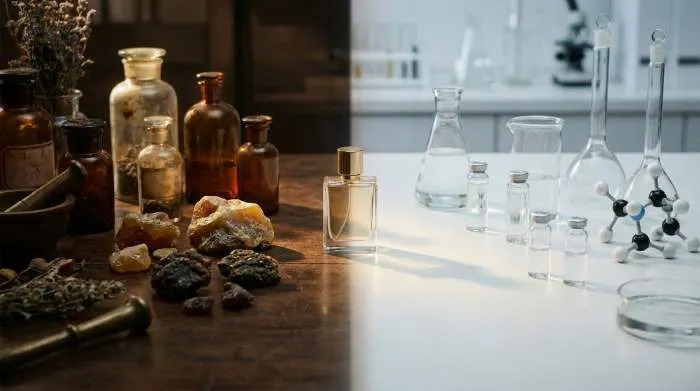 That perfume deception is still alive. But it is no longer about lying. It is about creating the same emotional hit without the real-world cost. The modern revival is a clever, synthetic cheat code. It gives you the old thrill without the old guilt. And honestly? It smells even better.
What did medieval people use instead of perfume
Before modern perfumery, medieval Europeans relied on strong-smelling herbs like rosemary, lavender, and sage to mask body odor-often carried in small pomanders or worn as sachets. They also burned incense and fragrant woods like frankincense, believing sweet smells warded off disease and evil spirits.