The Scent of Old Paper and Desperation
Step into a Hollywood memorabilia shop and you’ll catch it. The air smells of cold dust, old paper, and the ghost of expensive perfume. Black-and-white portraits line the walls, each face flawless, serene, and strangely interchangeable.
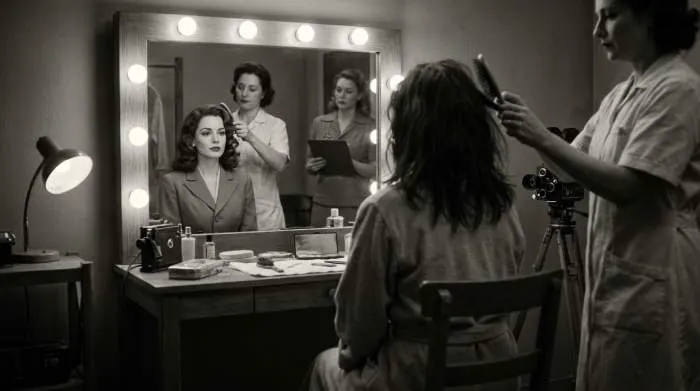
That was the whole point. The Golden Age studio system ran on absolute control, and it began with your face. A young actress didn’t arrive with her own features; she showed up as a problem to be solved.
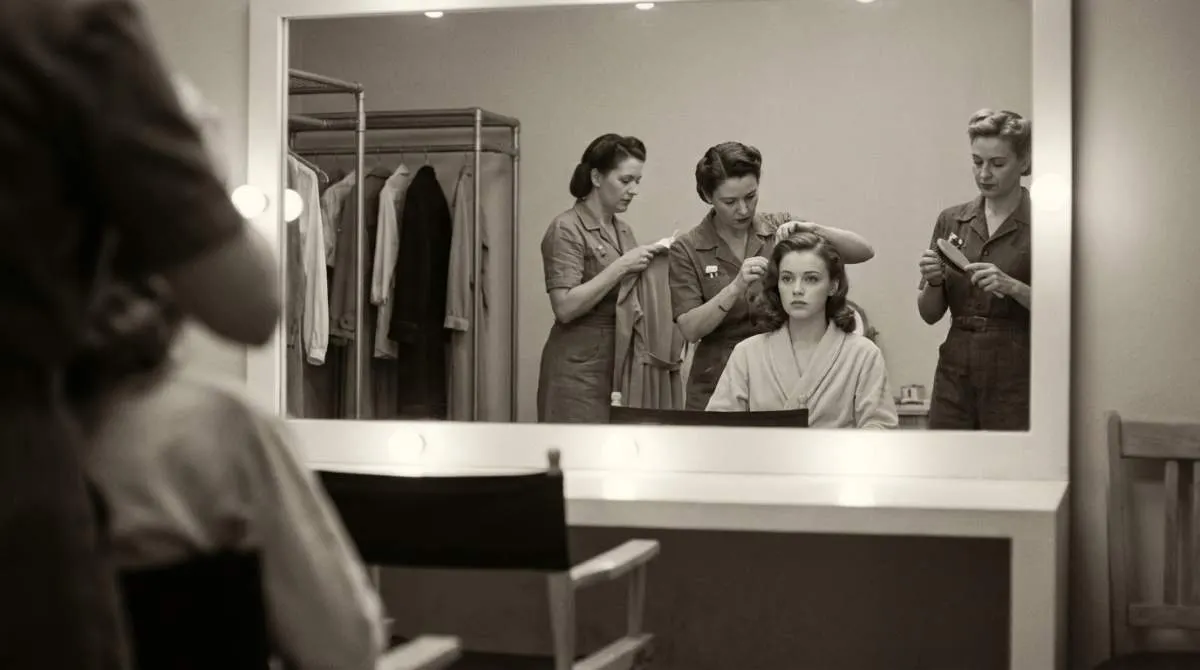
The grooming process was legendary, but it was never gentle. Your nose was measured against a ruler. Your teeth were inspected like a horse at auction. The public saw the final glamour shot in Photoplay magazine and thought it was magic.
They never saw the burn marks from the peroxide or the tears in the dressing room. I once found a yellowed copy of that magazine, its cover creased. Inside was a fresh-faced starlet who bore little resemblance to the icon she later became.
The smile was the same. The name was the same. But the bone structure had been quietly remodeled, and her hair had been stripped of its original color. The interview gushed about her "natural beauty," a lie printed on cheap paper that still smelled of the era's favorite scent: desperation.
The Hidden Mechanics of the Makeover Machine
The secret wasn’t just a new hairstyle or a stage name. It was the total, controlled erasure of anything natural. Studios didn’t want a woman; they wanted a product with a shelf life, and they built a brutal, hidden system to manufacture one.
Every major studio had an unofficial "fix-it" squad, surgeons, dentists, hair chemists, and vocal coaches who worked fast and quietly. A girl from a farm in Ohio didn't get a makeover; she got a new jawline, new teeth, and a new way of speaking. The whole operation was kept under lock and key.
The Anatomy of a Forced Transformation
Hair was a particular battlefield. Studio bosses were obsessed with blondes, convinced they photographed better under the lights. They used peroxide so strong it burned scalps, and refusal could mean suspension without pay.
No pay meant no career, so you sat in the chair and let them do it. This engine of transformation made the fashion revolutions of earlier decades look tame; the 1930s and 40s makeover was a full-body rewire, a stark example of the era's rigid celebrity image control.
The Name as a Product Trademark
The final, cruelest cut was often the name. It was the studio’s ultimate trademark. Rita Hayworth was born Margarita Cansino, a fiery, dark-haired Spanish dancer.
The studio bleached her hair, electro-shaved her hairline to raise her forehead, and anglicized her name to Rita, all to hide her Latin heritage. The same fate crafted Norma Jeane Mortenson into Marilyn Monroe.
They didn't just market a name; they buried a real person and built a marketable fantasy in her place. That’s the dark magic of so-called Hollywood beauty secrets from the Golden Age: a silent war against a woman’s original identity.
Echoes in the Supermodel Era
The makeover machine didn't stop when the old studio gates rusted shut. It just changed hands. The real aftershock became visible in the 1990s, when magazines and pop stars started playing the same game with different rulers.
Madonna knew the trick best. She was the first post-studio star to fully weaponize the old playbook, changing her hair, her look, and her entire vibe for every album cycle. It was pure Golden Age behavior, just wrapped in a cone bra and a defiant attitude.
She proved the system worked even without a studio mogul holding the scissors.
The Beauty Pageant That Never Ended
The real ghost of the system, however, lived in the 1990s supermodel era. Those women were treated like studio property, handed name changes, forced nose jobs, and hair dye mandates.
It was the old Hollywood template pushed onto runways instead of soundstages. The pressure was savage, and its ugly aftermath lingers. Actresses became conditioned to wait for executive approval of their own faces.
Plastic surgery rates among young actresses spiked in the 1960s and 70s, a direct echo of that foundational pressure. The "name change" evolved into a pop star rite of passage, and magazines built empires on "before and after" makeovers, pure studio manipulation sold as self-help.
Even retro street styles, like the heavy brows and red lips of pin-up revivalists, often copied the look without knowing the coercion behind its origin. The cycle became self-perpetuating, with survivors of the 1950s often becoming the gatekeepers enforcing the same rules on a new generation.
Why the Machine Still Whispers Today
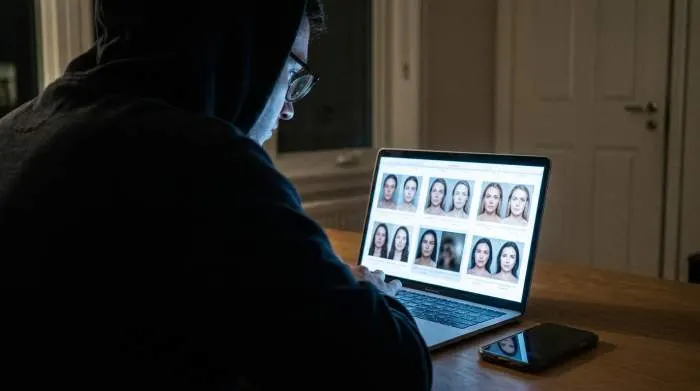
You’d think we’d have learned by now. But the machine never really shut down; it just got a new paint job and a better PR team. The modern echo of that Golden Age pressure is alive, evident in the endless online searches about how old Hollywood actresses changed their appearance.
We remain obsessed with the transformation, even as we pretend we aren't. The core difference today is the illusion of choice. Where a studio boss once issued a direct order, the pressure now comes from a thousand anonymous comments and a filter that can reshape your jawline in real time.
It’s less a command and more a slow, ambient hum of inadequacy. Yet the result can be eerily similar: a face that looks less like you and more like a committee’s idea of what sells.
The Algorithm as the New Studio Head
The modern actress, or indeed anyone in the public eye, walks a digital tightrope. She must look “effortless” while undergoing costly procedures, and be “authentic” while her features are subtly homogenized.
The language has changed, but the goal remains: erase the interesting, amplify the generic, and sell the fantasy. It’s a quieter, more insidious version of the same old song.
The Name Game Gets a Reboot
And what of the names? The old studios scrubbed ethnicity and history right off the marquee. Today, we see a softer, more corporate version.
Stage names are still the norm, but now they are often chosen for “brandability” or “search engine optimization.” It’s less about hiding immigrant roots and more about fitting into a tidy Instagram bio. But the core impulse is identical: a name is a product, and a product must be marketable.
The revival of vintage glamour isn’t a rebellion. It’s often a recognition. We see the filters, the subtle tweaks, the curated “candid” shots. We know the game is still rigged. But perhaps, by finally naming the machine for what it was, and what it has become, we can start to unplug it. Or at least, we can learn to laugh at it while it tries to smooth out all our interesting edges.
How did the Hollywood studio system control actresses
The studio system's control extended beyond appearance: actresses were often required to live in studio-owned housing, date approved partners, and even marry for publicity. Contracts could last seven years with no guarantee of roles, and refusal to comply meant being 'loaned out' to lesser studios or blacklisted entirely.