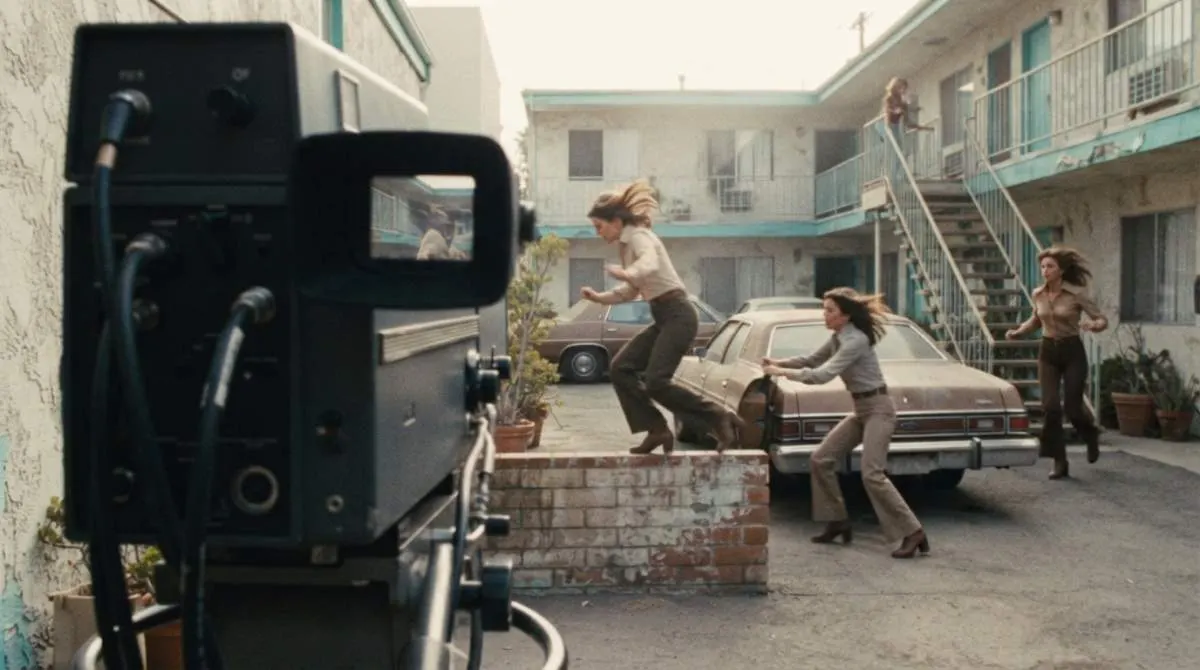
Picture a glossy 8x10 photograph, circa 1977, held in the hands of a studio executive. It shows three women in coordinated pastel outfits, hair perfectly feathered, smiling brightly as they point prop guns at an unseen foe. The image is pure confection, a calculated product [1].
But the cultural shockwave it represented was anything but sweet. This was Charlie's Angels, a television show that debuted in the fall of 1976 and promptly upended everything networks thought they knew about women, action, and audience appetite. Its arrival coincided with a pivotal moment in the 1970s Women's Liberation Movement, creating a complex intersection of emerging feminist ideals and mainstream entertainment that prioritized visual appeal [2].
Its premise was simple, almost absurdly so: three former policewomen, chafing at desk-duty limitations, become private detectives for a mysterious, unseen millionaire named Charlie. Their assignments required them to go undercover, which in practice meant a dizzying array of costumes and wigs [3].
The original trio consisted of Kate Jackson as the brainy Sabrina Duncan,Farrah Fawcett as the athletic Jill Munroe, and Jaclyn Smith as the street-smart Kelly Garrett. They communicated via a squawk box with their boss and were assisted by his liaison, John Bosley. It was a fantasy, but one that tapped directly into a new kind of televised power.
The show's structure cleverly borrowed from the successful 'male team' formula of series like The Mod Squad but inverted it, placing women at the narrative center while maintaining a traditional patriarchal figure (Charlie) as the ultimate authority-a tension that would fuel much of the subsequent analysis.
From Alley Cats to Angels
The true origin story is far stranger than the polished pilot let on. The concept began life as a pitch titled 'The Alley Cats,' featuring three detectives with dominatrix-inspired personas. Producer Leonard Goldberg brought the idea to actress Kate Jackson, who immediately rejected it as terrible.
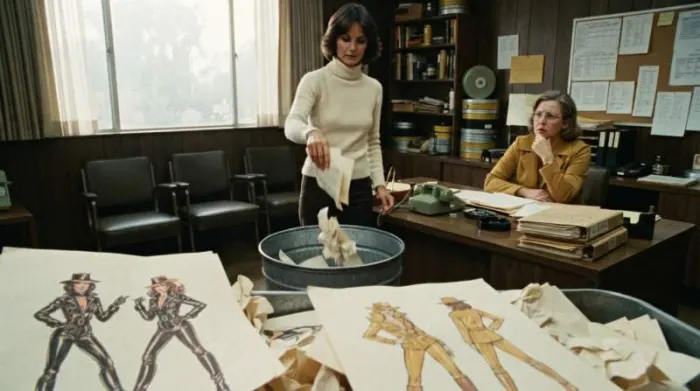
Jackson, however, saw potential in the skeleton of an idea. She pitched back her own concept: three intelligent, glamorous women working as private eyes for an unseen male boss. This collaborative genesis was unusual for the era, giving a lead actress significant creative input from the outset.
This was the core that stuck. The title itself came from a serendipitous glance at an oil painting of angels hanging in producer Aaron Spelling's office. 'Charlie's Angels' was born. The pilot aired as a TV movie in March 1976 and performed so well that a series was greenlit for that fall.
Interestingly, Jackson and Smith swapped their intended roles just before filming began, with Jackson taking the more serious Sabrina. When the series premiered on September 22, 1976, it finished its first season ranked an astonishing fifth in the Nielsen ratings. This success was a vindication for Spelling and Goldberg, who had faced significant network skepticism about whether audiences would accept women in physically active, dangerous roles traditionally reserved for male leads.
The Jiggle TV Firestorm
The show's massive popularity arrived hand-in-hand with fierce controversy. Critics and cultural commentators quickly labeled it 'jiggle television,' a derisive term coined by TV Guide writer Cleveland Amory highlighting the show's emphasis on the sex appeal of its leads.
Behind the Scene · Fictional Simulation
The Morning the Agency Woke Up
Danny, a 24-year-old set dresser at ABC, spent the morning of the Townsend Agency stills shoot fighting a squawk box that kept shorting out.
I got to the soundstage before seven with a coffee and a box of replacement fuses, and the Townsend office set already smelled faintly of scorched wiring. The squawk box on the desk had died again overnight, its little red light flickering like a dying pilot. I crouched under the desk with a torch in my teeth, hunting the short, while the gaffer hauled the smoke machine out to the alley. By ten the fire alarm had gone twice, and the publicity girls were standing in the car park in their heels, waiting for the all-clear.
What saved the day was a trick I'd learned from an old prop man: a strip of gaffer tape over the squawk box's vent, just enough to stop the smoke curling out and tripping the sensor. I pressed it down with my thumb and the box gave a dry click, then hummed. The publicity photographer walked in, glanced at the set, and started shooting. I stood by the coffee urn with black tape on my fingers, watching the red light glow steady at last.
A fictional scene written for this article — not a real account.
The cameras lingered on slow-motion running sequences, beach scenes, and an abundance of lingerie-clad undercover moments. It sparked a furious debate about feminism and objectification. Was this female empowerment packaged for the male gaze, or was it a subversive entry of women into the traditionally male action genre?
Prominent feminists like Gloria Steinem criticized the show, while others argued it offered a vision of women who were competent, financially independent, and enjoyed their work and camaraderie.
The show didn't just live on screen. It spawned a merchandising empire, the crown jewel of which was Farrah Fawcett's iconic red bathing suit poster. That single image, shot by photographer Bruce McBroom, sold a staggering 7 million copies, transforming Fawcett into a global superstar and defining a specific brand of 1970s glamour.
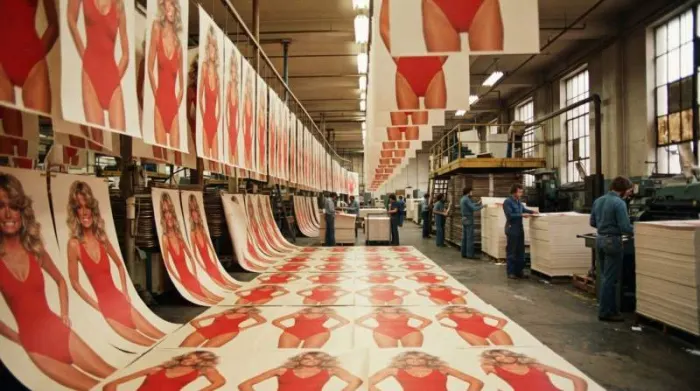
The poster, the feathered hair, the athletic wear-it all coalesced into an iconic movie wardrobe of everyday life. The Angels' fashion, from sleek jumpsuits to undercover disco attire, became a blueprint for vintage celebrity trends that continue to be referenced today. Costume designer Nolan Miller was instrumental in crafting this look, creating outfits that suggested both practicality for action and high-fashion allure, influencing ready-to-wear styles across America.
The Highs, The Exits, and The Long Fade
The phenomenon was not built to last in its original form. Fawcett, despite being the breakout star, left after only one season due to a contract dispute and a desire for serious film roles, replaced by Cheryl Ladd as Jill's sister, Kris.
The show cycled through other Angels over its run, including Shelley Hack (a former Charlie perfume model) and Tanya Roberts. Kate Jackson departed after the third season to pursue other projects, notably the series Scarecrow and Mrs. King. Each casting change was a major media event, reflecting the show's status as a pop culture institution.
The formula began to wear thin, with increasingly outlandish plots, and by the time the series was cancelled in 1981 after 110 episodes, it had plummeted to 59th place in the ratings.
Yet, its cancellation was not its end. The legacy of 'Charlie's Angels' is a study in endurance. Its camp appeal-the over-the-top plots, the wigs, the sheer joy of its execution-has allowed it to age into a cult classic.
It pioneered a space for female-led action ensembles, a template followed by countless films and series since, from Buffy the Vampire Slayer to Alias. Its cultural footprint is undeniable. Consider the following elements that secured its place in the pantheon:
- The foundational template of a female team operating in a male-dominated profession, emphasizing skill and sisterhood.
- The mainstreaming of a specific, athletic yet glamorous, California aesthetic that defined late-70s leisurewear.
- The spark for enduring academic debate about feminism, agency, and representation in media studies curricula.
- The creation of instantly recognizable, endlessly parodied visual iconography (the trio pose, the slow-motion run).
- A demonstration of television's power to create global superstars and merchandising juggernauts, from lunchboxes to novels.
- Its role in shifting network programming toward 'high-concept' shows that could be easily marketed and summarized.
Where the Echo Lands Today
Fifty years later, the Angels still have something to say. In September 2026, the original stars reunited at PaleyFest LA to a standing ovation, a testament to the show's lasting affection. The anniversary was marked by major features dissecting its complex legacy in publications from The New Yorker to Variety.
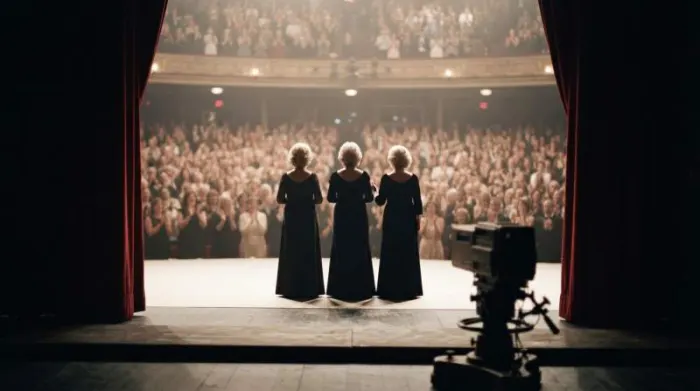
Modern reboots have struggled to capture the original's alchemy; the 2019 film starring Kristen Stewart, Naomi Scott, and Ella Balinska failed to connect with audiences, perhaps missing the specific, unselfconscious camp tone of the 1970s that balanced earnestness with spectacle.
Today, you feel the show's echo not in direct copies, but in its DNA. You see it in the playful undercover role-play of spy comedies, in the emphasis on female friendship within action frameworks like Ocean's 8, and in the ongoing cultural dissection of aesthetics labeled both empowering and objectifying.
Its imagery is now shorthand for 1970s pop culture, recycled in social media memes and Halloween costumes. The show also presaged reality television's love of transformation, with its emphasis on wigs and disguise. Charlie's Angels was never just a show about detectives.
It was a lightning rod, a fashion catalog, a battleground for cultural debates, and, against all odds, a surprisingly durable piece of television history. It proved that sometimes, the things dismissed as mere fluff carry the heaviest weight, serving as a fascinating case study in how popular culture absorbs, refracts, and sometimes challenges the social currents of its time.
Why was Charlie's Angels called jiggle TV
The term 'jiggle TV' was coined by TV Guide critic Cleveland Amory in 1976, but it wasn't just about the show's famous slow-motion running sequences. It reflected a broader network strategy: after the success of Charlie's Angels, ABC ordered a wave of similarly styled shows designed to attract young male viewers while keeping female audiences hooked on the glamour. The phrase stuck because it captured the era's uneasy dance between exploitation and empowerment.