
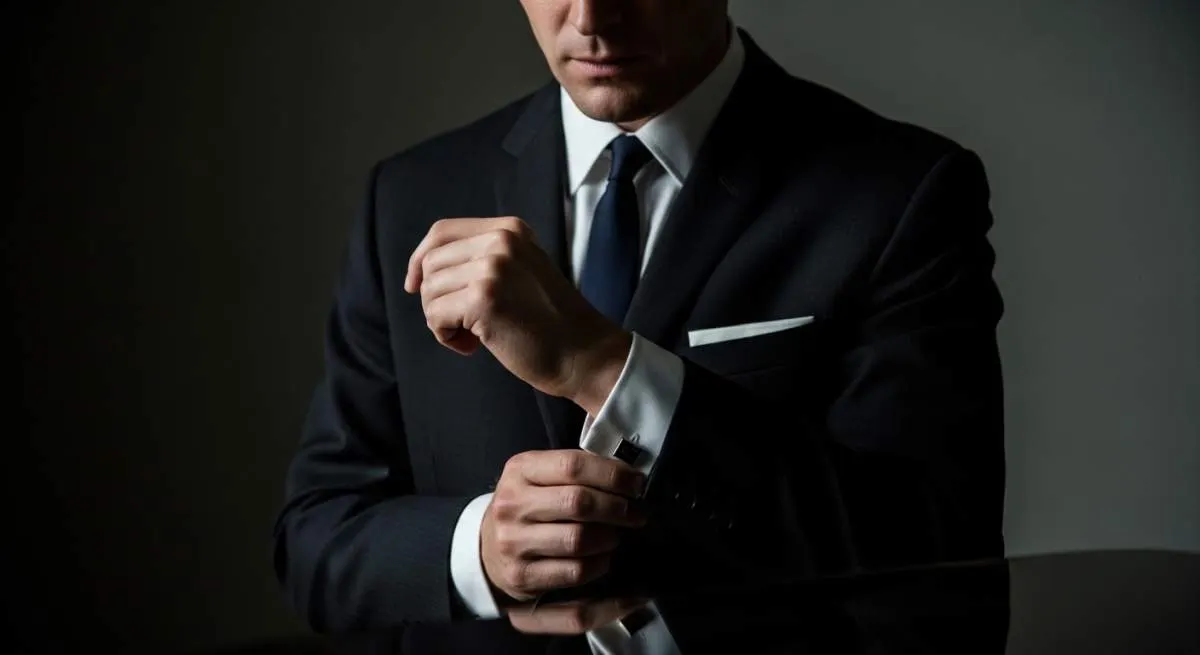
The Spy Who Dressed Me: When Tailoring Became a Secret Weapon
When Sean Connery first appeared as James Bond in 1962's Dr. No, he did more than introduce a new kind of hero. He unveiled a new kind of armor. The sharp suits and crisp shirts weren't mere costume pieces; they were carefully engineered tools of persuasion and power. This was the birth of 60s James Bond style, a look that proved a perfectly cut jacket could be as effective as any Walther PPK. It communicated a dangerous cocktail of confidence, class, and capability without saying a word.
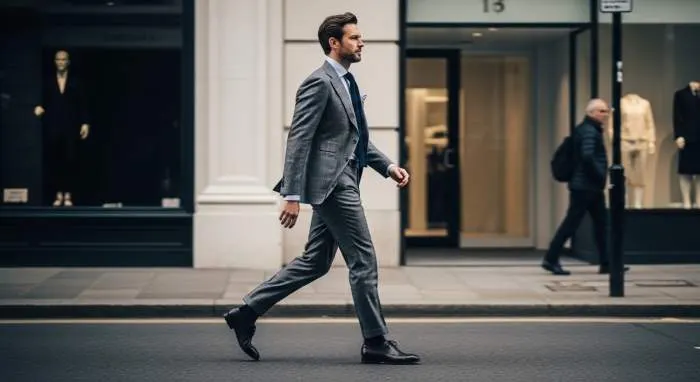
The mastermind behind this sartorial revolution wasn't a film director, but a tailor. Anthony Sinclair, a legend from London's Savile Row, created what became known as the Conduit Cut specifically for Connery. This silhouette was a revelation: lean and athletic, it skimmed the body without clinging, featured a nipped waist, and had a slightly shortened jacket that allowed for surprising freedom of movement. Sinclair understood the assignment perfectly. Bond needed to look impeccable in a Monte Carlo casino one moment and be ready to throw a punch in a villain's lair the next. His minimalist approach, no extraneous buttons, no fussy details, codified the spy's lethal elegance for decades.
The Midnight Blue Gambit: Mastering the 60s Tuxedo
The midnight blue dinner jacket wasn't invented for Bond, but he certainly made it his own. This specific shade, hovering between navy and true black, possesses a subtle depth that photographs exquisitely on film. Under artificial light, it often appears darker and more sophisticated than pure black, a secret weapon for both spies and cinematographers. Sinclair's version for Connery was a masterclass in restraint: a single-breasted cut with a narrow peak lapel, sitting precisely at the hip with sleeves breaking just at the wrist bone. The overall effect was one of controlled, understated power.
Every supporting piece was chosen with the same strategic precision. The crisp white dress shirt featured a moderate collar, designed to frame the face without distraction. The bow tie was always self-tied silk, a small touch of deliberate imperfection that signaled confidence, not carelessness. There were no cummerbunds, no waistcoats, no decorative flourishes. The message was unmistakable: a man this assured in his style doesn't need to shout.
Why This Formal Look Never Gets Old
The enduring influence of Bond's black-tie style lies in how it solved a fundamental problem with traditional formalwear. Classic black-tie could often feel stiff, ceremonial, and separate from real life. The midnight blue alternative offered all the required formality but with a modern, approachable ease. It worked with equal authority at a high-stakes baccarat table, a government gala, or a private dinner. While the 1960s swirled with mod fashion, psychedelic prints, and youth rebellion, Bond's tailoring remained an island of calm, centered on timeless principles of proportion, fit, and quality fabric. It was elegance without the effort showing.
Building a Modern Bond Wardrobe: From Day to Night
The fantastic thing about 60s James Bond style is its incredible versatility and timelessness. You don't need a gadget-laden Aston Martin to channel this energy today. The core philosophy translates perfectly: perfect fit, rich textures, and quiet, unshakable confidence. While modern trends flash and fade, this vintage approach remains razor-sharp, a reliable shortcut to looking polished and powerful.
The Daytime Arsenal: Suits and Separates
To build this look for everyday wear, start with the essentials. A well-tailored gray Glen check suit is a perfect foundation. The jacket should have a subtle nip at the waist for shape, with lapels that are moderately slim, avoiding the extremes of later decades. Pair it with a pale blue poplin shirt and a textured tie; a knitted silk tie instantly adds that coveted vintage feel. The key is in the translation of proportion. Whether it was gray herringbone or a navy chalk stripe, Bond's film suits shared a consistent silhouette: a jacket that skimmed the body, trousers with a clean break at the shoe, and an overall impression of effortless ease.
This wasn't about the price tag on the label, but about how the clothes interacted with the body. A moderately priced suit tailored to your exact measurements will always look superior to an expensive one that doesn't fit. Polish your leather shoes, but leave the flashy logos behind. In this world, understatement is the ultimate power move.
The Casual Edge: Polos, Knits, and Leather
Bond wasn't always in a three-piece suit. Some of his most iconic moments came in relaxed yet refined casual wear. Think of the navy polo shirt, the slim-fit cardigan, or the perfect leather jacket. The guiding principle remained unchanged: clean lines, quality fabrics, and a fit that suggested an athletic build. A solid-color polo worn with tailored trousers and leather loafers captures that casual confidence perfectly. A lightweight wool cardigan layered over a crisp shirt bridges the gap between office and evening effortlessly. Even the leather jacket, typically a slim-cut bomber or a fitted motorcycle style, adhered to the same rules of proportion and restraint, proving that cool doesn't have to be complicated.
The Savile Row Legacy: Where Bespoke Craft Lives On
Savile Row's association with Bond wasn't accidental; the films served as the ultimate advertisement for the tailors' art. When audiences watched Connery navigate danger in a Sinclair suit, they were witnessing a masterclass in how clothes should fit and move on a body. Sinclair's work was so definitive that other tailors on the Row began to study his methods, and the Conduit Cut became a blueprint for dressing the modern man. What made his tailoring revolutionary was its simplicity. He stripped away everything unnecessary and perfected what remained.
The jacket was constructed to move *with* the body, not against it. Seams were placed to create flattering lines without obvious tricks. The result looked effortless, which is precisely why it demanded such immense skill to achieve. Today, while full bespoke from Savile Row remains a luxury, the principles Sinclair championed are accessible to anyone. Finding a tailor who understands proportion, who can adjust a jacket to skim the waist and break the sleeve correctly, is to engage with the same craft that built a legend.
Why This Style Still Commands the Room
As new 007 stories continue to unfold, the wardrobe choices remain a crucial part of the character's DNA. The tailored swagger and careful construction are always there. But the real lesson lies in the principles established sixty years ago. True style, much like a legendary spy, never truly fades. It adapts, evolves, and returns with even better tailoring. The reason Bond's look has influenced everything from the old-money aesthetic to contemporary design is that it solved the central puzzle of masculine dressing: how to project power without aggression, achieve elegance without fuss, and command a room through sheer presence rather than noise.
In our current era of fast fashion, oversized silhouettes, and loud logos, the Bond approach feels almost radical in its quiet confidence. A man in a well-fitted suit, a clean shirt, and polished shoes doesn't need to announce his arrival. He simply has. We can all take a page from that resilient vintage playbook. So, straighten your cuffs, check your watch, and step out with the kind of confidence that comes from knowing your style is bulletproof.
What did James Bond wear in the 1960s
Beyond the Conduit Cut, Bond's 60s wardrobe included a signature Rolex Submariner 6538, chosen for its rugged elegance and water resistance. The watch was a practical tool for a spy, but its clean lines and understated dial also reinforced the character's no-nonsense aesthetic. This blend of function and style became a hallmark of the era's spy gear.