Fifty years ago, a film about a sweet transvestite from Transsexual, Transylvania opened in theaters. It cost about a million dollars to make, featured elaborate sets and songs you couldn't get out of your head-and it bombed. Hard.
Critics hated it. Audiences stayed home.
Within weeks, it was gone from most cinemas. Today, that same film is the longest-running movie in consistent release, a midnight ritual celebrated by costumed fans who throw toast and squirt water guns. It's been seen by millions, inspired documentaries, and become a touchstone for queer culture. The story of how The Rocky Horror Picture Show went from disaster to legend is one of the weirdest in Hollywood-and the most human.
From London Stage to Silver Screen Flop
It didn't start on film. The Rocky Horror Show premiered onstage at the Royal Court Theatre in London on June 19, 1973. Producer Lou Adler caught the fever and brought it to Los Angeles at his Roxy Theatre in 1974, where it became a party-like attraction.
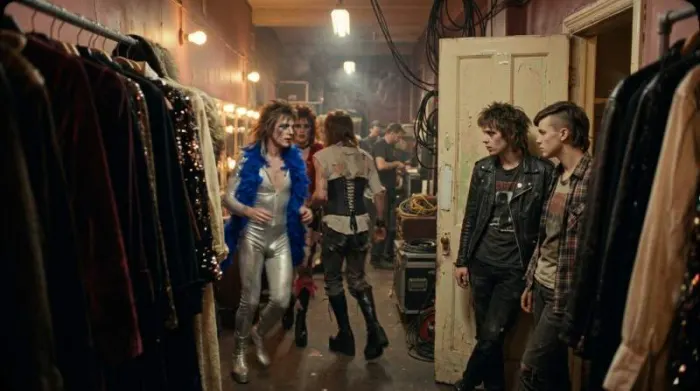
The show's glam-rock energy and playful gender-bending caught the eye of London's underground-Malcolm McLaren, soon to manage the Sex Pistols, was a regular. The stage musical had a real influence on the punk movement that would explode a few years later. So when a film adaptation was announced, expectations were high.
Then came September 26, 1975. The movie version hit U.S. theaters, and the response was... nothing. Critics called it tasteless, messy, and shallow. Audiences didn't flock.
The film earned back just a fraction of its modest budget. It was pulled after a few weeks. If you'd told anyone in 1975 that Rocky Horror would become a cultural phenomenon, they'd have laughed you out of the theater. (Though, to be fair, they'd probably have been laughing at the movie too.)
The Midnight Miracle at the Waverly
Then something strange happened. A theater manager at the Waverly in New York's Greenwich Village decided to screen the film at midnight on April 1, 1976, as a cheap programming experiment. The response was electric.
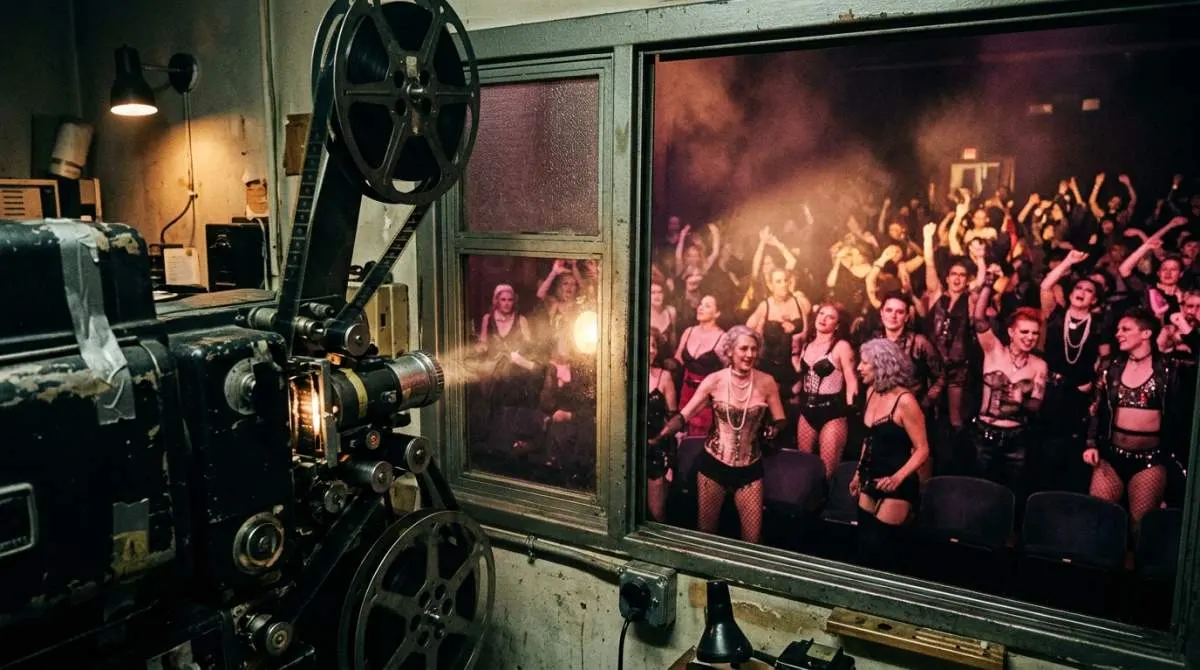
A small crowd of regulars started showing up every week, and they didn't just watch-they participated. They shouted lines, threw rice during the wedding scene, and started dressing up. By Halloween of that year, audience participation had become a full-blown ritual. A former seminarian named Sal Piro attended one of those early screenings and, inspired, founded the Rocky Horror fan club, growing it into a national network.
Soon, fans weren't just shouting at the screen-they were performing in front of it. Shadow casts, as they came to be known, started around 1978. Costumed fans would lip-sync and act out every scene in real time, turning each screening into a live show.
This wasn't just watching a movie; it was being part of it. The Waverly screenings sparked a movement that spread to theaters across the country, then the world.
The numbers tell a story of their own about this cult phenomenon's strange resilience:
- It has earned an estimated $116 million to $160 million worldwide-a staggering return on a budget that was barely $1 million.
- It is officially the longest-running film in consistent circulation, having played without major interruption since 1976.
- More than 200 theaters across the U.S. still screen it at midnight, keeping the tradition alive.
The Rocky Horror Picture Show's Initial Box Office Failure
- You've probably heard that Rocky Horror was a huge hit the moment it hit theaters in 1975, after all, it's a cultural icon.
- But the truth? The film was a critical and commercial disaster, pulled from theaters after weeks. Its cult fame came only later through midnight screenings, not mass popularity.
From Fringe to Sanctuary: The Queer Heart of Rocky Horror
What made Rocky Horror stick was more than gimmicks. The film's unapologetic celebration of sexual liberation and gender fluidity found a natural home in the queer community.
At a time when mainstream society was far less accepting, the midnight screenings became safe spaces where people could be themselves-whether that meant dressing in fishnets and corsets or simply cheering for Dr. Frank-N-Furter's showstopping numbers. The audience wasn't just watching a campy horror parody; they were participating in a ritual of defiance and joy.
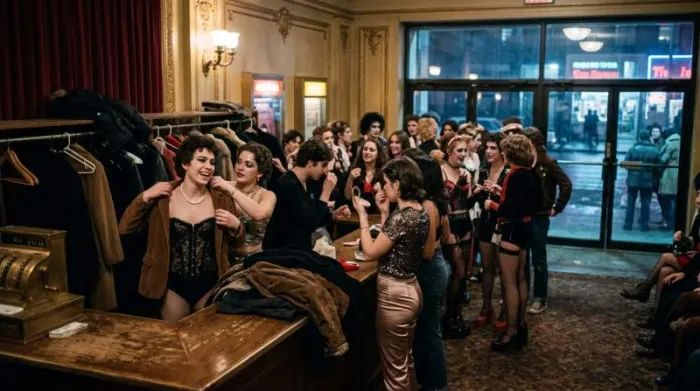
The Clinton Street Theater in Portland, Oregon, has screened the film every week since 1978-a quiet, persistent testament to its power. And in 2025, the little movie that refused to die is having a big moment.
It's being rereleased in theaters on October 4, with special sing-alongs and shadow cast screenings. A new documentary,Strange Journey, came out in September, tracing its unlikely path. A touring experience is hitting 55 cities across the U.S. and Canada, with meet-and-greets featuring original cast members Barry Bostwick (the straight-laced Brad), Patricia Quinn (Magenta), and Nell Campbell (Columbia). And the Roxy Theater in Los Angeles is hosting a fan convention.
Why It's Still the Ultimate Cult Film
So why does Rocky Horror endure when so many other campy films fade? It's partly the ritual: the call-and-response, the props, the costumes, the sense that you're not just watching a movie but performing in a collective act.
It's partly the community: for decades, queer audiences in particular found in these screenings a rare space to express themselves without judgment. And it's partly just the film itself-its songs are infectious, its characters unforgettable, its weirdness a badge of honor. It's a film that doesn't age because it was always outside of time.
Fifty years after its inauspicious debut,The Rocky Horror Picture Show is still shocking, still thrilling, and still inviting audiences to do the Time Warp-over and over again. What started as a flop became the ultimate cult classic, proving that sometimes the best stories are the ones that find their audience in the dark, at midnight, when nobody's looking for them.
The Enduring Cult Status of The Rocky Horror Picture Show
The film's midnight screenings became a secret handshake for outsiders, but its roots go deeper: the stage show was born from a love of 1950s B-movies and glam rock, and its creator, Richard O'Brien, wrote it as a tribute to the sci-fi horror flicks he devoured as a kid. That mix of nostalgia and rebellion is what made it feel like a home for anyone who never quite fit in.