Origins: The Radical Comfort of the 1970s
The 1970s didn't just happen in a vacuum. It was a design decade born from a cultural pivot toward individual freedom and sensorial experience. After the sleek, space-age futurism of the 60s, people craved something earthier and more personal [1].
Mood Match
Put Another Record On
Here is what to play when the evening calls for a certain feeling.
Sinking into a beanbag after work
Let's Stay Together by Al Green
That lazy, rolling groove does the collapsing for you, so you can just sit there and let the day drain out [2].
Flipping through vintage wallpaper swatches
You Are the Sunshine of My Life by Stevie Wonder
It is bright and optimistic, the exact sound of choosing the boldest pattern in the book.
Watching a lava lamp bubble at midnight
Rocket Man by Elton John
Something about that lonely, drifting melody suits a slow orange blob rising in the dark.
Hosting a fondue night with friends
Superstition by Stevie Wonder
That clavinet riff gets everyone dipping and swaying at the same time, which is the whole point of fondue.
Some songs are not background music. They are the mood itself.
Songs checked against en.wikipedia.org.
The era emphasized comfort and a kind of laid-back, individual expression that felt radically informal. Iconic pieces like the beanbag Sacco armchair weren't just furniture; they were statements against rigid formality. This was a fertile period where home became a sanctuary for self, not a showroom for status.
The palette shifted to warm, earthy tones, and natural materials took center stage, setting the foundation for everything that would later be revived.
Rattan and cane furniture exploded in popularity, prized for their light, organic, and breezy appeal. They brought a touch of the casual, sun-soaked global bazaar into everyday living rooms.
Simultaneously, the handmade craft movement, a reaction against mass production, made macramé wall hangings and plant holders a ubiquitous symbol of personal creativity. Texture was everything-layers of shag rugs, nubby fabrics, and slick leather created a rich, tactile environment. The goal was a space that felt lived-in, cozy, and uniquely yours, a direct reflection of the bohemian style revival in wider culture.
Peak and Fall: From Ubiquity to Ubiquitous Kitsch
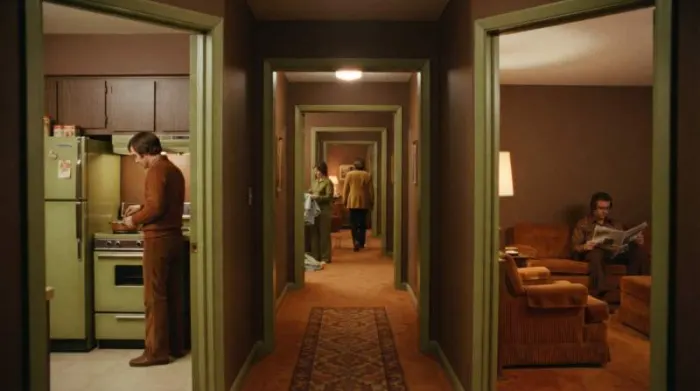
By the late 70s and into the early 80s, what began as a radical embrace of comfort had become the mainstream default. Brown, orange, and avocado green weren't just accents; they were entire walls and appliance suites.
Rattan was not a carefully chosen accent but filled sunrooms and patios in matching sets. Macramé owls and extensive wall tapestries moved from artistic statement to mass-produced cliché. The aesthetic became so pervasive that it lost its original counter-cultural edge.
It was simply what homes looked like, for better or worse.
Then, the pendulum swung hard. The high-glam, power-dressing 1980s arrived with a vengeance, championing slick surfaces, sharp angles, and conspicuous luxury.
The 70s look was swiftly dismissed as dated, dowdy, and hopelessly kitschy. It became the aesthetic to be ripped out during renovations, a symbol of a passé, unfashionable past. For decades, these items languished in basements and thrift stores, waiting for their ironic or appreciative rediscovery.
This wholesale rejection was a classic case of fashion cycle fatigue, where an overexposed style must completely disappear before it can be seen with fresh eyes.
The Slow Simmer of the Revival
The comeback didn't happen overnight. It began as a whisper in the early 2000s, first through the lens of irony and then through genuine curiosity.
Thrift stores, long the keepers of discarded trends, became treasure troves for a new generation. The initial draw was often cost and uniqueness-a vintage rattan chair had more character than a flat-pack alternative.
This phase was deeply connected to the broader rise of second-hand fashion and a growing awareness of sustainable consumption. People weren't just buying old stuff; they were rescuing it, seeing value in its craftsmanship and history.
Online marketplaces like Etsy and eBay democratized access, allowing anyone to source an authentic macramé wall hanging or a cane-back chair from across the country. The aesthetic also found a natural home in the burgeoning millennial plant-parent movement, which directly echoed the 70s' obsession with indoor greenery.
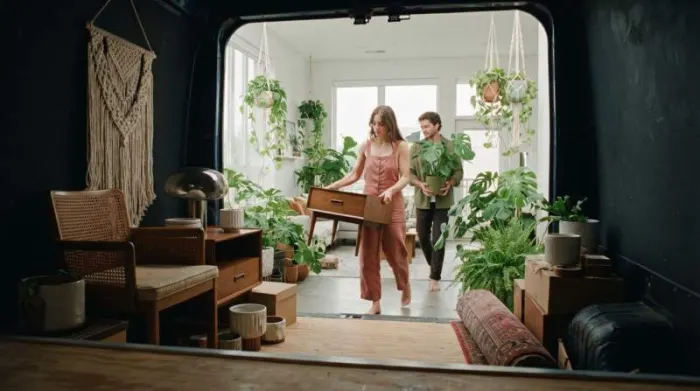
This slow burn was less about design dogma and more about a piecemeal, personal curation. It was an anti-trend movement, building a home layer by layer with items that had soul, often found through dedicated hunting at flea markets and estate sales.
The Modern Reinterpretation (2020s Onward)
Today, the revival has matured into a full-fledged design philosophy. The driving force is no longer irony or mere thrift, but a profound desire for warmth, materiality, and personal comfort as a direct contrast to our digital, screen-dominated lives.
We crave authenticity and a tactile connection to nature. The modern take doesn't seek to recreate a 1970s time capsule. Instead, it extracts the era's core feelings-cozy, organic, expressive-and applies them with a contemporary editor's eye.
The priority is now on form, shape, and material over literal nostalgia.
This means using signature elements sparingly and strategically. Designers advise using rattan as a single, beautiful accent piece among cleaner-lined contemporary furniture, creating warmth through contrast.
A lone cane-backed chair in a minimalist room does all the work. Similarly, macramé is welcomed back, but the rule is one well-chosen piece to avoid the dated overload of the past. The focus is on craftsmanship and the beauty of the knot itself.
This curated approach is key to the look's modern success.
- Color & Cocooning: Instead of orange, the modern palette uses updated earth tones. A key trend for 2026 is using deep terracotta to 'color-drench' entire rooms, creating a modern, cocooning effect that feels both retro and radically contemporary.
- Layered Texture: The foundational practice is layering rich, inviting textures. Think velvet cushions on a bouclé sofa, a chunky wool throw, and a natural jute or sisal rug underfoot. It's a sensorial feast that begs to be touched.
- Curves & Volume: Furniture silhouettes are softening. Sofas and armchairs with generous, curved profiles and plush volume recall the era's comfort focus but with refined, modern proportions.
This revival is also deeply intertwined with sustainability. Valuing durable natural materials like rattan and solid wood, and giving well-made vintage pieces a second life, aligns perfectly with eco-conscious values.
The sustainable vintage ethos isn't just about the planet; it's about building a home with narrative and integrity. It’s a rejection of fast furniture in favor of pieces that last, both physically and stylistically.
The Legacy: Comfort as a Permanent Mood
What remains of the 1970s isn't a checklist of items, but an enduring mood. The legacy is the permission to prioritize comfort, personal expression, and a connection to the natural world within our homes.
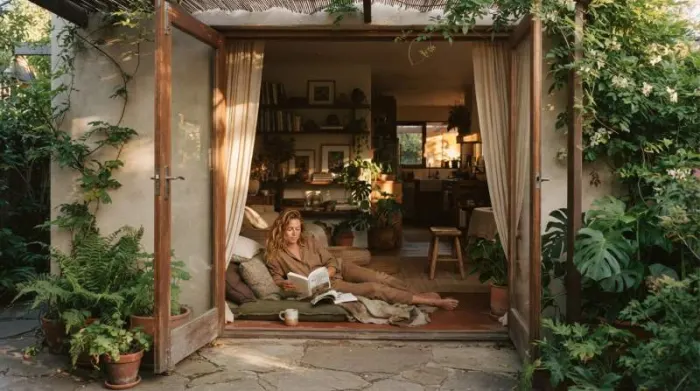
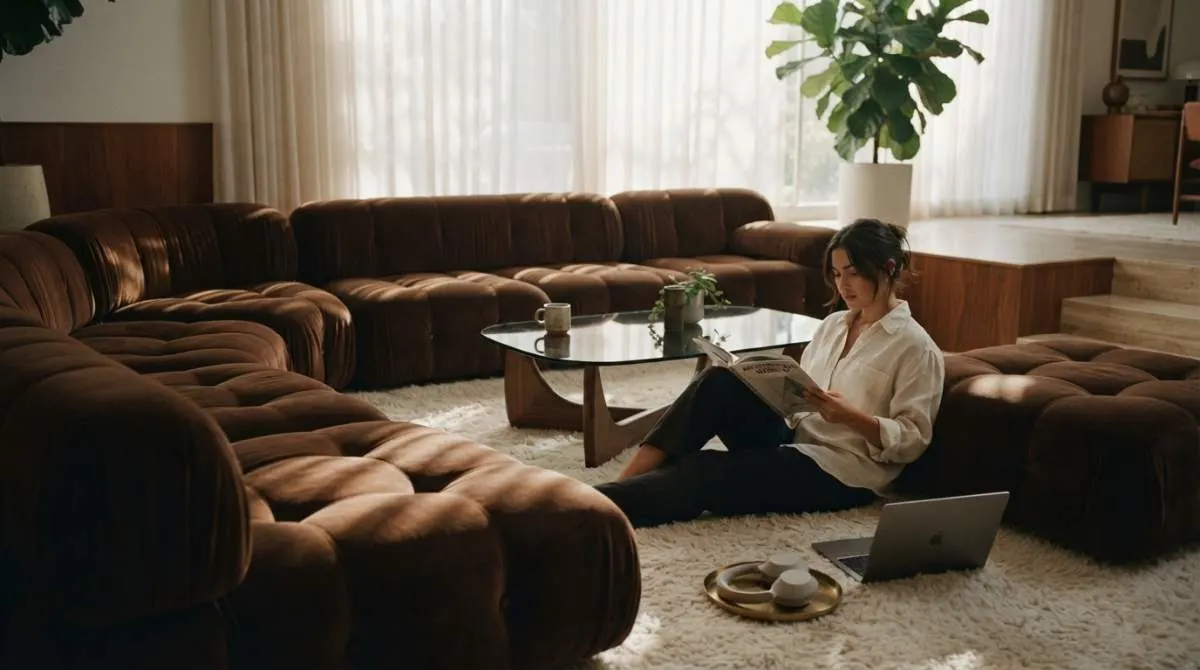
The brown couch is back, but it's likely a sleek, chocolate velvet sectional, not a scratchy plaid relic. The plants are still here, bigger and lusher than ever.
The warm light, the tactile surfaces, the sense of a personal retreat-these are the elements that have been permanently woven into the fabric of modern interior design.
The cycle is complete, but with a crucial evolution. We've taken the best of the era's human-centered philosophy and left the excess in the past.
The 1970s home decor revival teaches us that good design is cyclical, but also progressive. It shows us that comfort is not a trend, but a timeless need. And in a world that often feels too fast and too digital, the promise of a cozy, textured, and personally curated sanctuary might be the most modern idea of all.
What did the original brown couch cost in the 1970s?
Back then, a sturdy brown sofa from a mid-range catalog ran about $300-roughly $1,500 today. That price tag made it a practical splurge for young families, which is why so many ended up in living rooms across the country.