
What Did the Air Taste Like Right Before the Crash?
Some stories carry an eerie chill, and The End of Micro-Trends: How "Aesthetic Fatigue" Finally Pushed the Internet Back to True Vintage is one of them. The mood shifted in late 2023, subtle at first.
A girl on the train wore a 1998 GAP hoodie, not some carefully curated thrift-store find. That was the tell. The atmosphere felt stale.
Fashion had cycled through vintage celebrity trends at warp speed. One week it was Y2K Juicy Couture. The next it was 2014 Tumblr grunge.
None of it stuck. It all felt like cheap polyester in a Zara bin. The pace broke something.
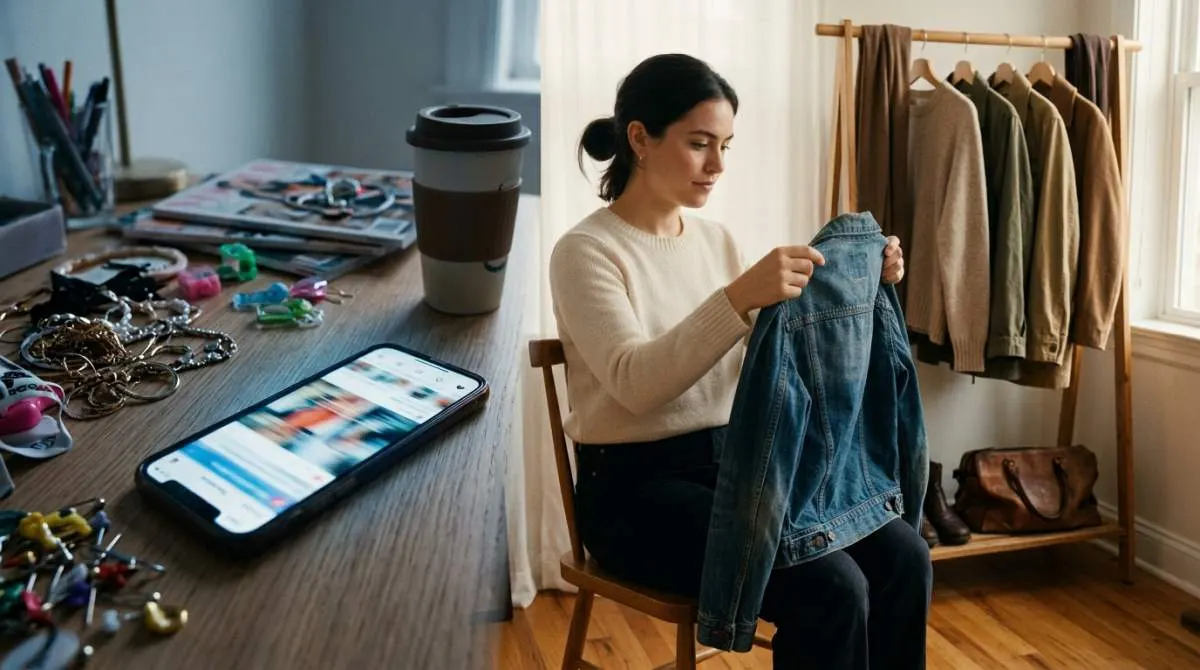
People were tired of dressing for an algorithm. The hunt for the next "era" became exhausting, fueling aesthetic fatigue and a longing for slow fashion that felt real. The room went quiet.
People stopped chasing the new-new and just wore what they already owned.
That Old Blanket Smell
Suddenly, a 1995 Levi's tag mattered more than a viral TikTok sound. It was a return to texture. Think cracked leather,faded cotton, and honest wear.
No one wanted a "Mob Wife" starter pack anymore. They wanted their grandmother's coat. A friend pulled a wool blazer from a bin at a flea market.
It smelled like mothballs and dust. She wore it to a party. Five people asked if it was designer.
She said, "No, it's just old." That was the new flex.
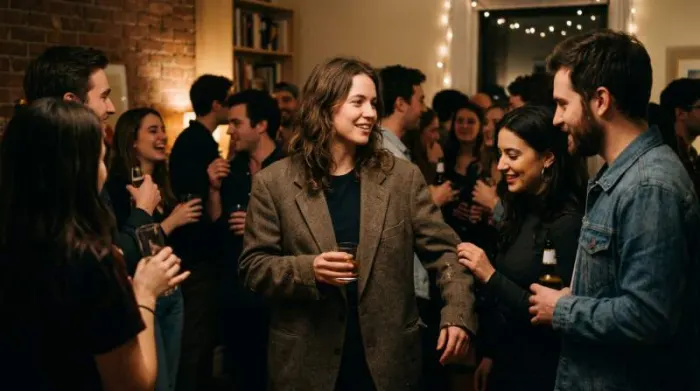
The vibe settled into something real. It wasn't nostalgia for a specific decade. It was a craving for slowness.
People wanted objects with a past, not a future scheduled for obsolescence. The internet finally exhaled.
The Unseen Trigger That Broke the Trend Machine
Micro-trends didn't die from boredom. They died from a memory glitch: the speed limit of the human brain.
People hit a cognitive wall. One cannot feel nostalgic for something seen last Tuesday.
The Two-Week Half-Life of Cool
An algorithm feeds a new aesthetic every 72 hours. But the brain takes two weeks to form an emotional bond with a look. That gap killed the feeling.
Scrolling past "cottagecore" and "mermaidcore" in the same afternoon, the eye couldn't land. It just skipped.
This isn't about fabric or style. It's about a biological limit on trend absorption.
Why Vintage Beauty Trends Survived the Wreck
Vintage beauty trends didn't change every week. They had gravity. A 1950s cat eye took practice.
A 1990s matte lip required commitment. One couldn't just buy a filter for it. That friction was the secret.
It forced a pause. It made people care.
The Dopamine Drop
Fast trends relied on cheap surprise. See it, buy it, forget it. But surprise wears thin fast.
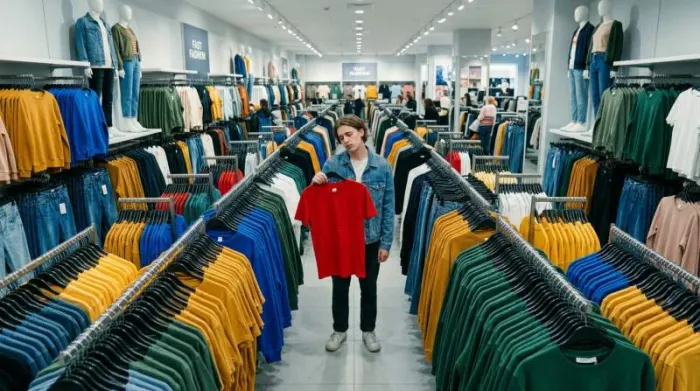
True vintage relies on recognition. A 1970s leather jacket triggers a memory, even if it's not one's own. That's a deeper circuit in the brain.
The algorithm ran out of surprises. So it started repeating itself. And people finally noticed the loop.
The Holdouts: Why True Vintage Never Left
Micro-trends didn't die from neglect. They died from overuse. By 2025, the algorithm had burned through so many looks that nothing felt real.
But the real heads, the ones who dress for themselves, never left the old rack.
The Quiet Holdouts in Music and Film
Look at the indie circuit. A24's 2024 lineup leaned hard into grainy, tactile textures. Costume designers raided their own parents' closets for authenticity.
They didn't want a "vibe." They wanted a life lived in the clothes.
Then it got stranger. The biggest pop star of 2025 dropped a surprise visual album, and every outfit was pure 1998 Helmut Lang. No hashtag, no trend cycle, just a sharp, quiet statement that floored the fashion press and proved authenticity beats hype. Flipping through a 2006 issue of i-D in a used bookstore, that scrappy, personal energy is what the new wave finally copied.
Street Culture Kept the Receipts
Harajuku never joined the hype. Neither did vintage dealers in Tokyo and Berlin. They kept selling early Margiela, original Raf Simons, and actual deadstock Carhartt.
When the trend-chasers crashed, these scenes became the blueprint. Surprisingly, the mainstream didn't rebel. It just got bored.
Exhaustion from chasing 2026 fashion trends made people ask a radical question: "What if I just wear what I like?"
The Legacy in Three Sharp Facts
- Celebrity stylists stopped calling moodboards "aesthetic references" and started calling them "old photos of my grandma."
- Magazine editors killed the "trend report" page and replaced it with single-item deep dives on vintage staples.
- Film costume departments now require a "no Pinterest" rule: real thrifted pieces only.
- High school hallways became a museum of 1992, 2001, and 1978 all at once, with no irony.
- YouTube critics finally admitted micro-trends were just fast fashion with a mood board.
The aftershock is simple. The people who kept true vintage alive never stopped. They just waited for the noise to die down.
And when it did, the rest caught up.