
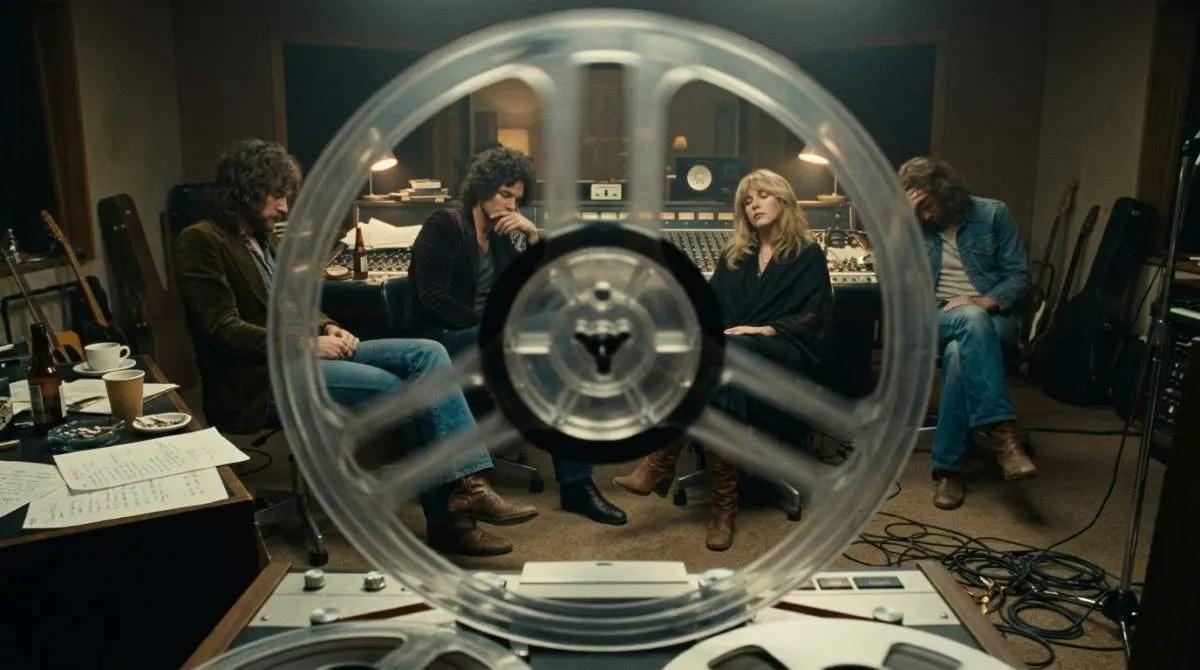
It's February 1976, and the Record Plant in Sausalito smells like stale coffee, cigarette smoke, and something sweeter-cocaine, sitting in a communal bag on the mixing console. Producer Ken Caillat watches as Lindsey Buckingham, Stevie Nicks, and the rest of the band huddle around a piano, arguing over a single chord. Outside, fog rolls in from the bay; inside, the air is thick with tension. This is the beginning of what will become Rumours-an album that, fifty years later, still sounds like a miracle.
The band had been together for barely a year when they walked into the studio. Buckingham and Nicks had joined Fleetwood Mac in 1975, but only on one condition: Lindsey agreed to come aboard if Stevie did too. They were a package deal, a couple since high school, and their chemistry was electric.
But by the time recording began, that electricity had turned to static. Nicks had told Buckingham it was over, just before the sessions started. They still lived in the same house, but they barely spoke.
Meanwhile, John and Christine McVie were splitting up after years of marriage, and Mick Fleetwood's own relationship was crumbling. The studio became a pressure cooker, and the music that came out of it was pure, distilled emotion.
The Intense 35-Day Recording Marathon for Rumours
The band didn't pace themselves. They recorded for thirty-five days straight, no days off, fueled by adrenaline and that communal bag.
Caillat later said that Rumours was the beginning of their cocaine use-not a one-off, but a habit that would follow them for years. The drug made them paranoid, but it also made them obsessive. They'd spend hours on a single guitar track, tweaking every note until it gleamed.
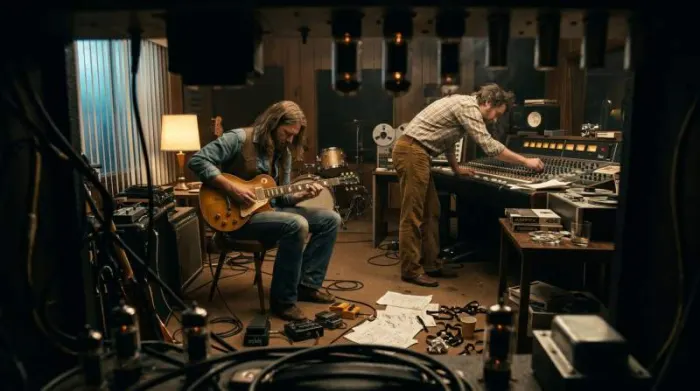
Take the piano on "Songbird." Christine McVie wanted a specific sound, and the tuning alone took four days. Four days of a piano tuner coming in, adjusting, listening, adjusting again.
That kind of perfectionism wasn't just about the music-it was about control. When your personal life is falling apart, you cling to the one thing you can shape. The result was a record that sounds effortless, but every second of it was fought for.
Rumours: Love Letters Written in Anger and Hope
The songs on Rumours are essentially a public conversation between people who couldn't talk to each other. Buckingham's "Go Your Own Way" is a bitter kiss-off, full of rage and hurt. Nicks's "Dreams" is a quieter, more hopeful response-recorded in a single take, while she sat in a corner of the studio, half-asleep, singing into a microphone.
The other members heard it and knew it was special. It became their only US number-one single.
Christine McVie wrote "Don't Stop" about her split with John, but with a twist: she was looking forward, not back. The song's optimism was real, even if the marriage wasn't. And then there was "The Chain," a song the band pieced together from fragments of other tracks-a bass line here, a guitar riff there. It was the only song on the album written by all five members, and it felt like a promise: despite everything, they were still a band.
Here's a quick snapshot of the chaos behind the music:
- Two couples breaking up mid-session, plus Mick Fleetwood's marriage falling apart.
- Christine McVie had an affair with the lighting director, adding more fuel to the fire.
- Buckingham and Nicks wrote songs as direct responses to each other, turning personal pain into public art.
- John McVie and Buckingham had explosive rows, with John once threatening to quit.
- The band recorded for 35 days straight, with no breaks, in a haze of cocaine and perfectionism.
Plot Twist
- You'd think the band would've called it quits right after the album, given all the drama-but they didn't.
- Actually, the success of Rumours gave them a reason to stay together: it sold 10 million copies in its first year, and that shared achievement was too powerful to walk away from.
The High Cost of Rumours' Studio Perfection
That perfection came at a cost. The band's drug use escalated, and the lines between personal and professional blurred further. Nicks later admitted they thought cocaine "couldn't harm us," and that they were "wrong." But at the time, it felt like fuel. They'd stay up for days, recording, arguing, reconciling, and then doing it all over again.

The album's title,Rumours, was almost accidental-a nod to all the gossip swirling around the band. But it also captured the essence of the record: these were songs about things people were whispering about, turned into anthems.
When the album dropped on February 4, 1977, it was an instant phenomenon. It sold 10 million copies in its first year and stayed in the UK Top 100 for eight years. Critics raved, and the public couldn't get enough of the real-life soap opera behind the music.
Why Fleetwood Mac's Rumours Still Resonates Today
Fifty years later,Rumours still resonates because it's not just about heartbreak-it's about resilience. The songs are universal: who hasn't felt the sting of a breakup or the hope of moving on? The melodies are flawless, the harmonies tight, and the production so clean it could've been recorded yesterday. It's no wonder the album has influenced everyone from Taylor Swift to modern indie bands.
You can still feel its echo today, in the way artists turn personal turmoil into pop gold, or in the way a song like "Dreams" can soundtrack a TikTok trend and introduce a new generation to the band. The chaos that birthed Rumours was messy, painful, and unsustainable-but it produced something timeless. And that's the real genius: turning your worst moments into your best art, and somehow keeping it together long enough to share it with the world.
Who produced the Fleetwood Mac Rumours album?
The album was co-produced by the band with Ken Caillat and Richard Dashut, both of whom were relatively unknown at the time. Caillat had just a few engineering credits to his name, and Dashut was Buckingham's roadie. They learned on the job, mixing the album while the band fought and reconciled around them.