
The Genius Marketing Trick That Changed Fragrance Forever
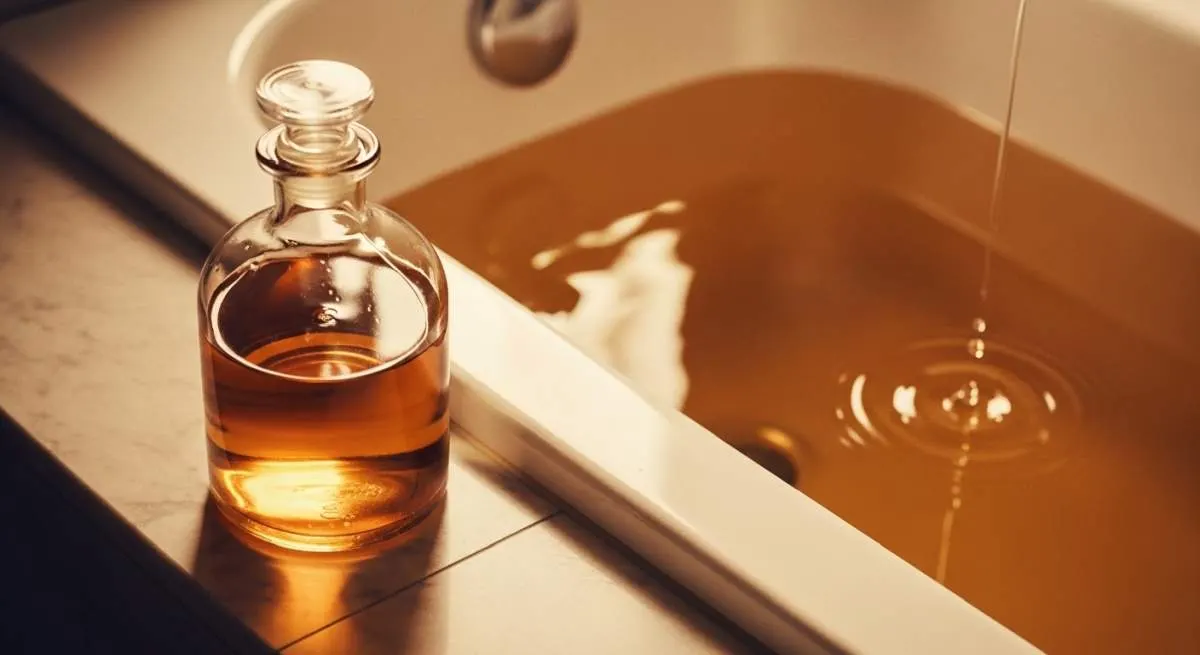
In 1953, Estée Lauder launched a product called Youth Dew and labeled it a bath oil. Women bought it by the millions. The trick? It wasn't really a bath oil at all, it was concentrated perfume oil, and Lauder had found a way to make women feel virtuous about buying luxury fragrance for themselves [1].
At the time, buying perfume felt indulgent, even frivolous. A respectable woman might accept perfume as a gift, but purchasing it herself? That suggested vanity, excess, self-indulgence. Bath oil, though, that was practical. You could justify it as a grooming essential, something for your skin. Lauder understood this social hesitation perfectly, and she exploited it with surgical precision. Youth Dew sold over $150 million worth in its first five years, making it one of the most successful fragrance launches in history [2].
The 1950s Guilt Around Personal Luxury
The 1950s were a peculiar time for women and luxury. Post-war prosperity meant more disposable income, but social expectations remained rigid. A woman was supposed to be attractive, yes, but not too obviously. She should smell lovely, but not because she'd spent money on herself. That was considered selfish [3].

Perfume carried baggage. It was associated with actresses, showgirls, women of questionable morality. A housewife or office worker wearing obvious perfume risked being seen as trying too hard, or worse. Bath oil, by contrast, was medicinal-sounding, practical, almost clinical. It promised soft skin and a pleasant soak. The fact that it smelled divine was just a bonus, or so the marketing suggested.
How Lauder Exploited the Gap Between Desire and Permission
Lauder, who had built her empire on understanding what women actually wanted versus what they thought they should want, recognized this gap. She didn't invent the guilt; she simply gave women a socially acceptable way around it. By reframing fragrance as a practical grooming product, she removed the psychological barrier that had kept women from buying perfume for themselves.
Youth Dew: The Product That Wasn't What It Claimed
Youth Dew arrived in a distinctive amber bottle with a gold cap, positioned as a luxurious bath oil. The formula was rich, oily, and intensely fragrant, far more concentrated than any actual bath oil needed to be. The scent itself was bold: a warm, spicy blend of jasmine, aldehydes, and amber that announced itself in a room. It was not subtle. It was not demure. It was exactly what women wanted to wear but didn't think they were allowed to buy.
The genius was in the positioning. Lauder priced it like a bath product, not a fine fragrance. She advertised it in magazines alongside skincare and grooming advice, not in the luxury goods section. Department store salespeople were trained to describe it as a bath enhancement. Women could drop a bottle into their shopping basket without the psychological weight of 'I am buying perfume for myself.'
Plot Twist
- The big trick was that Youth Dew wasn't really a bath oil at all—it was just perfume in disguise.
- Youth Dew was absolutely a functional bath oil, but its genius was that it was so concentrated and fragrant that women could also wear it as perfume, which Estée Lauder herself predicted and encouraged.
Source: ecosmeticworld.com
Once home, though, women discovered what Youth Dew really was. They dabbed it on pulse points. They spritzed it on their hair and clothes. They wore it as perfume, because that's what it was. And because they'd already justified the purchase to themselves as a bath product, they felt no guilt about using it that way. Lauder had given them permission through misdirection.
The Blurred Line Between Categories
Youth Dew's success didn't go unnoticed. Other fragrance houses and beauty companies began experimenting with similar strategies. The line between bath oil, body oil, and perfume became deliberately blurred. Products were marketed with dual purposes: practical enough to buy for yourself, luxurious enough to feel special. This wasn't entirely dishonest marketing, many of these products genuinely could be used in a bath. But the real value, and the real appeal, was as a wearable fragrance. The bath oil label was the Trojan horse that got luxury into women's homes and onto their bodies.
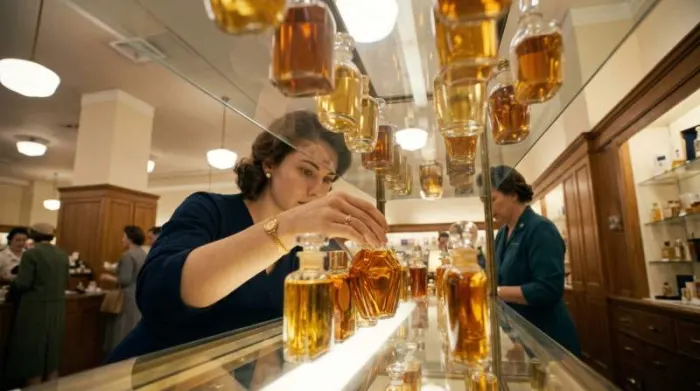
The strategy worked because it addressed a real social problem. Women had money and wanted nice things, but they'd been taught that spending on themselves was wrong. By reframing fragrance as a practical grooming product, the industry gave women a way to have what they wanted without violating the social rules they'd internalized.
A Formula Built to Endure and Announce
Youth Dew's formula was distinctive and memorable. The fragrance opened with bright aldehydes, synthetic molecules that create a sparkling, almost effervescent quality, layered over warm spices and a creamy amber base. It was modern for 1953, bold without being harsh, and it lasted for hours. A single application could carry through an entire day, which made the product feel like an even better value.
The name itself was marketing genius. 'Youth Dew' promised renewal, vitality, and a kind of liquid rejuvenation. It wasn't called 'Elegance' or 'Sophistication' it was about reclaiming youth, about feeling alive and vibrant. For women in their thirties, forties, and beyond, that message resonated deeply. The scent became iconic enough that it defined an era. Women who wore Youth Dew in the 1950s and 1960s often wore it for decades. It became their signature, their invisible accessory, their quiet statement. That kind of loyalty is rare in fragrance, and it speaks to how well Lauder had understood her audience.
Why This Marketing Moment Still Matters
The Youth Dew story reveals something important about how consumer culture works. It shows that marketing isn't just about the product, it's about permission. Lauder didn't invent a new fragrance category; she invented a new way for women to think about themselves as consumers worthy of luxury.
The bath oil trick worked because it acknowledged a real social barrier and found a way around it. Women weren't rejecting perfume; they were rejecting the guilt and judgment that came with buying it. Once Lauder removed that barrier, through clever labeling and positioning, the market exploded.

Today, that particular social guilt has largely faded. Women buy perfume openly, unapologetically, for themselves. But the lesson remains: successful marketing often works by understanding not what people want, but what they need permission to want. Lauder gave women that permission, wrapped it in an amber bottle, and changed the fragrance industry forever.
What was the first bath oil perfume
Before Youth Dew, bath oils were mostly unscented or lightly fragranced with single notes like lavender. Lauder's innovation was to use a concentrated perfume base, a technique borrowed from ancient Egyptian scented oils, which were worn as both fragrance and skin treatment. This historical link gave her product an air of timeless luxury.