Hitchcock's Canvas, Kelly's Rebellion: The Fresh Face Fight

Alright, darlings, gather 'round. Forget everything you think you know about the golden age of Hollywood glamour. We're talking about an era when "natural beauty" often meant three layers of pancake foundation, meticulously painted eyebrows, and lips so bold they practically entered the room before the actress did. It was a time of strict studio control, where directors were gods and their vision for an actress's face was, well, law.

But then there was Grace Kelly. The epitome of icy blonde sophistication, the woman who practically invented effortless chic. You see her iconic stills, that serene gaze, that luminous skin, and you think, 'Ah, classic, untouched beauty.' And you'd be half right. But what if I told you that iconic look wasn't just given to her? What if I told you it was fought for? Hard. On set. Against one of the most powerful, controlling directors in cinematic history: Alfred Hitchcock.

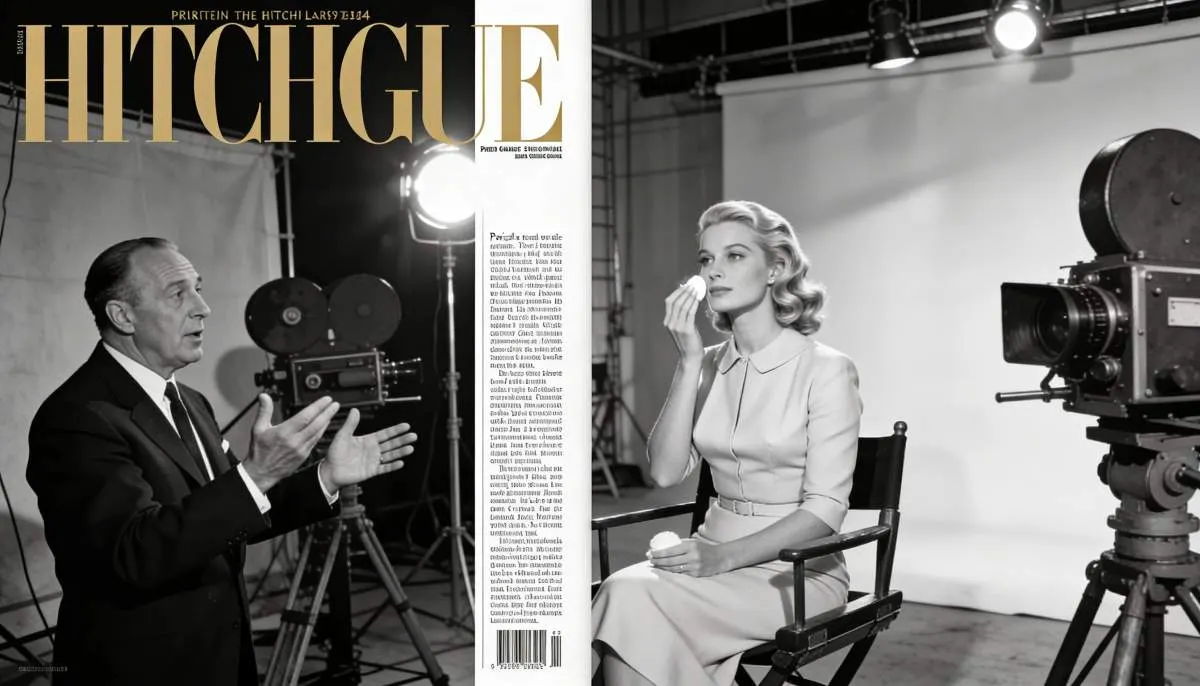
It’s a story most don't hear, buried under the glossy sheen of those perfectly staged publicity shots. Turns out, our elegant Miss Kelly wasn't just a pretty face; she was a woman with a very clear vision for her own on-screen persona. She knew her brand. While Hitchcock, the master of suspense and meticulous visual control, wanted his leading ladies — his 'Hitchcock blondes' — to be a certain kind of pristine, almost doll-like perfection, Grace Kelly had other ideas. He saw a canvas; she saw a face.

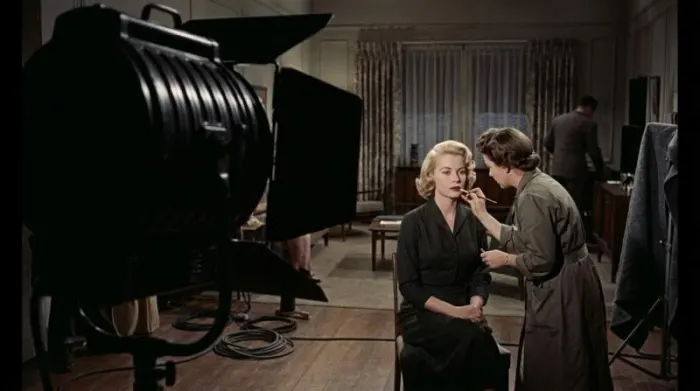
Did Grace Kelly insist on less makeup for films? You bet your perfectly lined cat-eye she did. Time and time again, on films like Rear Window and To Catch a Thief, she found herself in quiet (and sometimes not-so-quiet) battles with the makeup department, and by extension, with Hitchcock himself. She saw the heavy stage makeup, the thick foundation, the overly rouged cheeks, and recoiled. She understood that a fresh face on camera conveyed an authenticity, a relatable vulnerability that those heavy 1950s trends simply suffocated.

Why Grace Kelly wanted a fresh face on camera wasn't just vanity, it was a profound understanding of character and how a truly radiant complexion could tell a story without a single word. 

1950s Grace Kelly Natural Glow Cinema

Hitchcock's view on actress makeup leaned towards a stylized, almost artificial perfection, a stark contrast to Kelly's desire for a luminous, natural glow. She pushed back against the era's standard theatrical paint, arguing for a minimalist approach that allowed her own skin to breathe, her own features to shine.

This wasn't just personal preference; it was a subtle rebellion against Hollywood's manufactured glamour, a quiet insistence on real beauty in a world obsessed with artifice. It set her apart, creating a blueprint for elegance that still resonates today, proving that sometimes, less truly is more, especially when you're fighting a cinematic titan.

The Bare-Faced Rebellion: When Grace Kelly Dared to Defy Hitchcock's Brush

Let's talk about control, shall we? Because in Hollywood, especially mid-century, control was everything. Directors were gods, studios were empires, and actresses? Well, they were often beautifully packaged products. But then there was Grace Kelly, a woman whose serene elegance masked a steel spine, especially when it came to her face.

Historical Insight: We highly recommend exploring THE DARKEST LIPS: HOW FLAPPERS SHOCKED THE 1920S for a complete picture of the era.

In 1954, while a young Elvis Presley was busy cutting his first commercial records and shaking up the music world with a raw energy unheard of, the established order of cinema was still clinging to a very particular kind of glamour. This was the era of meticulously constructed beauty – think fully painted brows, perfectly lined lips, and foundation so heavy it could stop a bullet.

Actresses were expected to be flawless, ethereal, and utterly devoid of anything resembling a natural pore. Alfred Hitchcock, the master of suspense, was a devout subscriber to this school of thought, particularly for his "ice blonde" muses. He saw them as pristine, untouchable objects of desire, and every detail, down to the shade of their lipstick, was part of his intricate visual storytelling.

Hitchcock's Vision: The Painted Doll Aesthetic

Hitchcock wasn't just a director; he was an architect of illusion. He had a very specific aesthetic for his leading ladies, often described as distant, cool, and impeccably groomed. For him, makeup wasn't just about looking good; it was a psychological tool, part of the character's veneer, a mask of composure that hinted at deeper turmoil beneath. He famously stated that he loved women who looked "like ladies," a euphemism for a certain polished, untouchable perfection.

This meant a full, deliberate face of makeup, designed to photograph beautifully under the harsh lights of the set. He wanted his actresses to look made up, to exist on screen as idealised versions of womanhood, not as women who’d just rolled out of bed, no matter how lovely. His actresses were often seen as extensions of his artistic vision, requiring meticulous attention to detail from their hair to their heels – and absolutely their makeup.

Grace Kelly's Quiet Revolution: The Fresh Face Fight

Enter Grace Kelly. A woman who, even by today's standards, possessed an almost impossibly beautiful, natural complexion. She understood the power of understated elegance, and she instinctively pushed back against the theatrical war paint that defined 1950s cinema.

Kelly believed in a more organic portrayal of beauty, one that allowed her natural features to shine through, believing it lent authenticity to her characters. She wasn't seeking to be overtly rebellious; she was simply fighting for what felt true. She knew her own face. And she understood that a fresh face could convey vulnerability, intelligence, and a relatable humanity that layers of greasepaint often obscured.

1950s Grace Kelly Authentic Beauty Cinema

The clash was, predictably, legendary, though often subtle. When Grace Kelly fought Hitchcock over makeup, it wasn't always a screaming match. It was a battle of wills between the auteur who demanded precise artifice and the actress who championed subtle realism. She understood that heavy makeup could make a character seem less accessible, less real.

Historical Insight: Retro Archive: The history of VICTORY ROLL HAIRSTYLE: WWII ORIGINS & ENDURING GLAMOUR offers even more context to this story.

For films like Rear Window or To Catch a Thief, where her characters were meant to be sophisticated yet grounded, her insistence on less makeup became a quiet but firm protest. She would often arrive on set with minimal cosmetics, forcing the makeup artists, at times, to compromise on Hitchcock's more extreme demands. She was unwavering; did Grace Kelly insist on less makeup for films? Absolutely. She was convinced it enhanced her performance, making her characters more believable.

Challenging the Glamour Machine

This wasn't just about personal preference; it was a subtle challenge to the entire Hollywood machine's view on actress makeup. In an era where stars were manufactured, Grace Kelly was pushing for a more authentic representation of female beauty on screen. Her preference for a natural beauty vs 1950s trends was groundbreaking. She understood that sometimes, a bare face could be more striking, more impactful, than one obscured by powder and pigment.

It allowed her expressiveness to shine, letting her eyes and subtle facial movements convey emotion without being competing with heavy colours. She wanted her characters to look like people, albeit extraordinarily elegant ones, rather than perfectly airbrushed mannequins. This quiet defiance helped cement her legacy not just as a style icon, but as someone who understood the power of authenticity, long before "no-makeup makeup" was even a whisper in the beauty industry. She showed that a woman could be glamorous without being entirely artificial, a principle that still resonates today.

Beyond the Technicolor Veil: Kelly's Fresh Face and its Enduring Echoes

When Grace Kelly fought Hitchcock over makeup, it wasn't just a backstage spat between a meticulous director and his leading lady. It was a subtle, yet seismic, cultural moment. The 1950s were, after all, an era of overt glamour. Think meticulously sculpted hair, precise red lips, and foundations that could withstand a nuclear blast. Actresses were often treated as canvases, their faces painted into a uniform ideal. Hitchcock's view on actress makeup leaned heavily into this: his heroines were to be polished, flawless, almost doll-like in their perfection.

Kelly, however, had a different vision for her characters, and crucially, for herself. Did Grace Kelly insist on less makeup for films? Absolutely. She intuitively understood that true elegance wasn't about layers of product, but about radiance that shone through. Her desire to present a more natural, luminous face on screen, particularly in films like Rear Window and To Catch a Thief, was a quiet rebellion. She wasn't aiming for a bare face, but a fresh, intelligent application that enhanced, rather than masked, her features. This wasn't just a preference; it was an artistic choice that deeply impacted how audiences perceived beauty.

1950s Grace Kelly Natural Elegance Cinema

The cultural impact of Kelly's fresh face was profound, though perhaps not immediately revolutionary. At a time when Grace Kelly natural beauty vs 1950s trends was stark, her approach began to subtly shift the dialogue. It suggested that a woman could be incredibly glamorous, alluring even, without heavy-handed cosmetics.

Her look communicated an innate sophistication that felt attainable, yet still aspirational. It was about healthy skin, a subtle flush, and eyes that twinkled, not just dark liner. This understated elegance became her signature, distinguishing her from contemporaries who often leaned into more theatrical makeup.

Historical Insight: Similar trends are explored in our deep dive into THE SECRET HISTORY OF HOLLY GOLIGHTLY'S LBD.

This quiet insurgency, where Grace Kelly wanted a fresh face on camera, helped cement her status as a timeless icon. Her image never looks dated because it wasn't tied to the fleeting trends of over-painting. Instead, it championed an authenticity that resonates across generations.

It taught us that confidence comes from within, not from a thick mask of foundation. She unknowingly spearheaded what we now recognize as the "no-makeup makeup" trend decades before its widespread acceptance.

Moreover, her insistence quietly empowered other women, both within Hollywood and beyond, to question the prescribed norms. It became a whisper against the louder, more artificial demands of the beauty industry, upending a few unwritten Hollywood beauty secrets. This wasn't about rejecting makeup entirely, but about reclaiming control over one's own image, using cosmetics as a tool for enhancement rather than disguise.

Kelly's legacy isn't just about her films or her royal status; it's about her enduring contribution to beauty standards, proving that sometimes, less truly is more. Her fight against the brush wasn't just for a character, it was for a vision of womanhood that celebrated understated, natural allure.

Un-Airbrushed Elegance: Styling the Kelly Effect Now

You know, the idea of a "fresh face" isn't new. It’s been a silent rebellion for decades, and honestly, we owe a huge chunk of its enduring power to Grace Kelly. Back in the Golden Age of Hollywood, when the cameras were hungry for artifice and Technicolor demanded a painted canvas, Kelly quietly, stubbornly, pushed for less. She literally fought Hitchcock over makeup, refusing to drown her natural luminescence under layers of the stuff that was considered standard for a 1950s film star.

Hitchcock, with his famously specific vision for his leading ladies, often preferred a more dramatic, almost mask-like application of cosmetics to achieve the perfect cinematic effect. His view on actress makeup leaned heavily into control and precise characterisation. But Grace Kelly, with that crisp elegance, understood something fundamental: true star power didn't need a heavy hand.

She wanted her characters to feel real, to breathe, and that meant allowing her own skin and subtle expressions to shine through. Did Grace Kelly insist on less makeup for films? Absolutely. She knew why Grace Kelly wanted a fresh face on camera: it wasn't vanity, it was authenticity. It was a stark contrast to the prevailing Grace Kelly natural beauty vs 1950s trends, which often favored a more constructed, polished look. She pioneered the barely-there aesthetic we now strive for. So, how do we channel that quiet defiance today?

  • Skincare First, Always: Invest in your skin. A clear, hydrated complexion is your best foundation. Think serums, SPF, and a consistent routine. It's about nurturing, not concealing.
  • Sheer Base: Ditch the full-coverage foundation. Opt for tinted moisturizers, BB creams, or light coverage foundations applied sparingly where needed. Let your freckles, if you have them, peek through.
  • Strategic Concealer: Target only the areas that truly need it – under eyes, blemishes. Blend, blend, blend until it's invisible.
  • A Touch of Color: A cream blush on the apples of your cheeks gives a natural flush. A dab of sheer lip balm or a rosy tint is all you need for the mouth. No harsh liners.
  • Defined, Not Dramatic, Eyes: A gentle curl of the lashes and a single coat of mascara. Maybe a touch of brow gel to keep them groomed. Forget heavy eyeshadow or winged liner for this look.
  • Groomed Hair, Effortless Vibe: Clean, well-maintained hair styled simply. Whether it's a sleek low bun or soft waves, it should look intentional yet unfussy.

This isn't about looking undone; it's about looking effortlessly refined. It’s a modern nod to Kelly's wisdom – a celebration of the unique beauty that lies beneath the surface, refusing to be painted over. It's about confidence in your own skin, just as she projected on screen. Her refusal to conform to Hitchcock’s heavy makeup demands, to the studio's expectations, cemented her status not just as a style icon, but as a quiet revolutionary for natural beauty that still resonates today. It proves that the most impactful statements are often made with the subtlest strokes.

Historical Insight: Pro Tip: For a deeper look at this period, don't miss our feature on WALKMAN 1979: HOW PORTABLE MUSIC CHANGED EVERYTHING, RAD!.

The Unfiltered Echo: Kelly's Enduring Glare

She was more than just a pretty face, wasn't she? Grace Kelly fought Hitchcock over makeup not just for a role, but for a whole aesthetic philosophy. Her quiet refusal to be painted into a glossy, artificial ideal — a common demand, let's be honest, in the Golden Age — wasn't just a skirmish on a film set. It was a damn seismic shift. Hitchcock, ever the control freak, wanted his leading ladies polished to a high sheen, but Kelly had other ideas. She understood that natural beauty wasn't just a preference; it was a character choice, challenging the 1950s trends.

Did Grace Kelly insist on less makeup for films? Absolutely. And thank god she did. She championed the power of a woman’s real expression, the subtle nuances that a mask of foundation and heavy eyeliner often obliterated. Why Grace Kelly wanted a fresh face on camera wasn’t just about comfort; it was about authenticity, about letting the camera capture vulnerability and strength without the distraction of an inch-thick façade.

It's a fight countless actresses after her have had, and frankly, still have. The pressure to conform, to present a flawless, manufactured version of self, hasn't gone anywhere; it’s just evolved.

Her legacy? It's in every actress who walks onto a set and says, "No, I don't need that much." It’s in every magazine spread that dares to show a wrinkle, a freckle, a hint of human reality. Kelly proved that looking real could be even more captivating, more iconic, than any manufactured glamour. She taught us that true beauty isn't about covering up; it's about revealing. And really, isn't that the most revolutionary thing you can do in an industry obsessed with illusion? A subtle revolution, perhaps, but a revolution nonetheless. She left us with the indelible image of a woman who knew her worth, and knew it didn't need a heavy hand of powder to shine.