
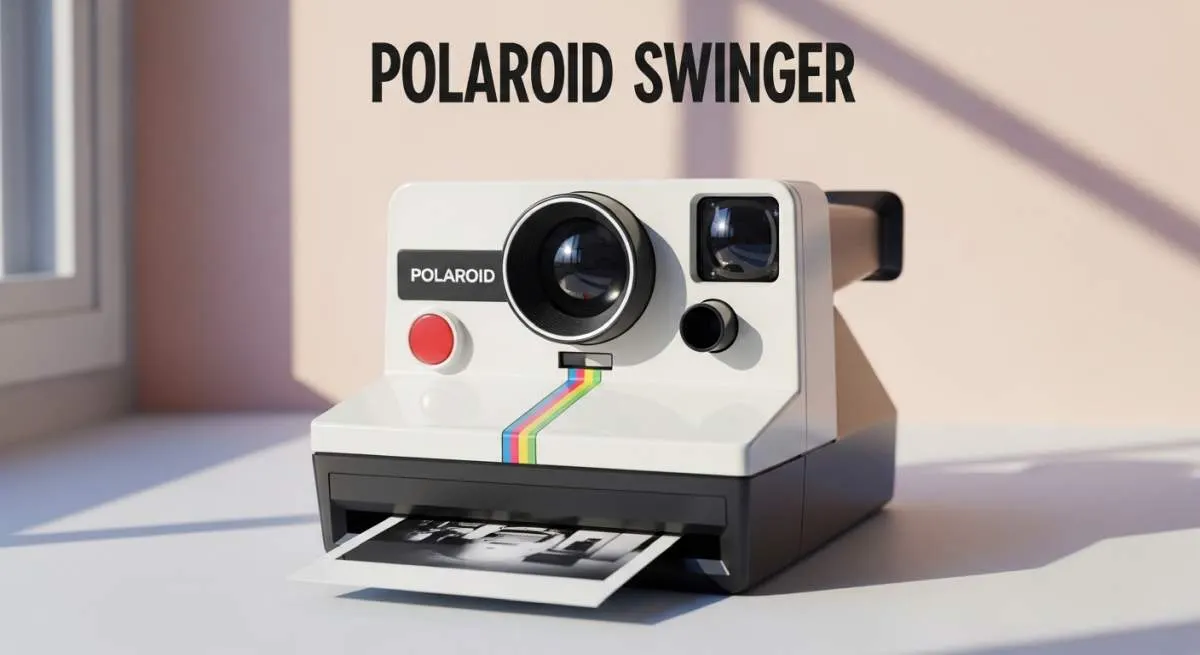
The Magic Box That Said 'YES'
This isn't just about bringing back old trends, it's about falling in love all over again with that raw 1960s energy. When we talk about why the Polaroid Swinger still clicks with us today, it's usually because it taps into a bigger appreciation for vintage beauty trends and a craving for the real thing. From the clean, graphic lines of the camera to the candid, happy-go-lucky photos it spat out, the Swinger was all about accessible cool. Want to channel that vibe today? Just borrow a bit of its design philosophy, simple, useful, fun, and make it your own. It's a quiet nod to the past, proof that great design and good energy never really go out of style.
The Swinger's Endless Summer
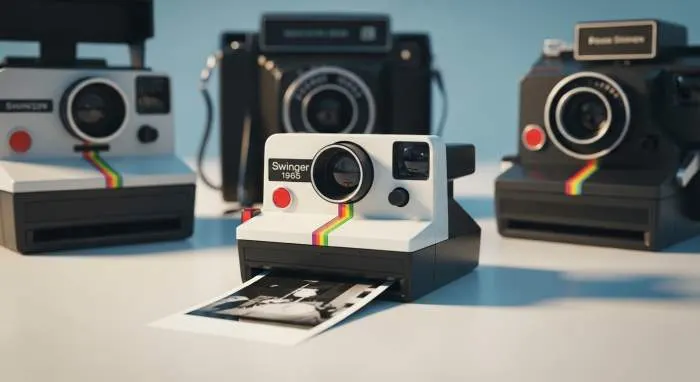
It became one of those must-have Mid-Century Toys and gadgets, if you wanted to freeze a moment right then and there, you needed one. And you can still see that spirit everywhere today, can't you? From the phone in your pocket snapping instant pics to the comeback of new instant film cameras, they all tip their hat to that unassuming black box. It was never about perfect composition or pro lighting. It was about the pure, unfiltered joy of watching a memory appear in your hand, often still warm and a little shaky.
The Swinger didn't just sell cameras; it sold an experience. It gave a whole generation permission to be spontaneous, to document their lives without fuss or waiting for the lab. It opened up the photo album to everyone. The low price, that clever “YES” indicator, and the sheer brilliance of Edwin Land's vision turned it into a cultural landmark. So next time you hit that share button or pick up a modern instant camera, remember the humble Swinger. It really taught us all to say “YES” to capturing life, one blurry, beautiful, instant snapshot at a time.
How $19.95 Changed Camera Ownership
Before the Swinger, instant photography was a luxury for the well-off. Polaroid's earlier models, like the Model 95, cost around $90 in the 1950s, a small fortune for most families. The Swinger smashed that barrier with a price tag of just $19.95 (roughly $160 today, but still way cheaper than earlier options).
That made it a realistic buy for teenagers, young couples, and regular households who'd never owned a camera before. Suddenly, photography wasn't just for special occasions; it became an everyday impulse.
The "YES" Indicator: A Simple Innovation That Built Confidence
The Swinger's most famous feature was its built-in light meter, which showed a simple “YES” or “NO” in the viewfinder. When you saw “YES,” you knew the lighting was good enough for a proper exposure, no technical know-how required. That eliminated the guesswork that made earlier instant cameras so frustrating, where you'd waste expensive film on underexposed shots.
The “YES” indicator became a symbol of confidence and ease. It told users they could trust the camera to get it right. A small innovation, sure, but it made the Swinger feel like a friendly buddy rather than a complicated machine.
Twiggy and the Swinging Sixties Vibe
Polaroid's ad campaign for the Swinger was a stroke of 1960s marketing genius. They brought in British supermodel Twiggy, whose waifish look and mod style screamed swinging sixties. In TV spots and print ads, Twiggy posed with the Swinger, smiling and snapping photos with effortless cool.
Her connection to the camera made it feel trendy and youthful, not just a gadget for dads and hobbyists. The ads ran heavily on television, reaching millions who'd never thought about buying a camera before. Twiggy's stamp of approval turned the Swinger into a fashion accessory as much as a photographic tool.
The Swinger at a Party
The Swinger's name was no accident, it directly referenced the “Swinging Sixties,” that cultural shake-up in fashion, music, and social norms. The decade was all about breaking free from old rules, and the Swinger captured that spirit of liberation. Young people flocked to cities like London and New York, hitting concerts, protests, and parties, and they wanted to document it all instantly. The Swinger fit right into that world of miniskirts, Beatles albums, and coffeehouse hangouts. It wasn't just a camera; it was a ticket to join in on the excitement.
Using the Swinger was a social event in itself. You'd pull the tab to eject the film, press the red shutter button, then wait about 15 seconds for the print to develop, peeling it apart to reveal the image. Friends would crowd around, laughing at the slightly blurry, slightly off-color results, which only added to the charm.
The camera encouraged spontaneity: people posed goofily, made silly faces, and captured moments that would never have made it into a formal photo album. It turned photography into a party game, a way to share laughter and memories in real time.
How Did the Swinger Democratize the Family Photo Album?
Before the Swinger, family photos were often formal, staged affairs taken by a pro or a dedicated hobbyist. The Swinger put the power in everyone's hands, kids, grandparents, friends could all document everyday life. Photo albums from the late '60s and early '70s are packed with candid shots of backyard barbecues, birthday parties, and road trips, all thanks to the Swinger's affordability and ease of use.
This shift changed how families remembered their past, moving from posed portraits to authentic snapshots of real life. The Swinger helped create a visual record of the ordinary, which is often the most precious history of all.
How Did the Swinger Influence Modern Instant Cameras?
The Swinger's legacy is alive and well in today's instant camera market. Fujifilm's Instax series, which launched in the late 1990s and is hugely popular now, clearly owes a debt to the Swinger's design philosophy. Both cameras emphasize simplicity, affordability, and fun, with a focus on social sharing rather than technical perfection.
The Instax Mini, with its compact size and colorful options, directly echoes the Swinger's appeal to young, style-conscious users. Even the Polaroid brand itself revived the instant camera concept with the Polaroid OneStep and later models, proving that the Swinger's formula still works decades later.
What Can We Learn from the Swinger's "YES" Attitude?
In an era of smartphones with millions of pixels and endless editing options, the Swinger's “YES” attitude feels refreshingly simple. It reminds us that the best photo is the one you actually take, not the one you plan for hours. The Swinger taught a generation to say yes to spontaneity, to embrace imperfection, and to value the moment over technical quality.
That lesson is more relevant than ever in a world where we often overthink our social media posts. The Swinger's spirit lives on every time someone snaps a quick photo of a sunset or a friend's laugh, without worrying about filters or lighting.
How Can You Capture the Swinger's Vibe Today?
You don't need to hunt down a vintage Swinger to channel its energy. You can adopt its philosophy by using a modern instant camera, or even by changing how you use your phone. Try taking more candid shots, sharing them immediately with friends, and not worrying about perfection.
The Swinger's design aesthetic, clean lines, bold colors, also inspires home decor and fashion choices that feel retro but fresh. Whether you buy a vintage Swinger on eBay or simply embrace its “say yes” mindset, you're connecting with a moment in history that celebrated joy, accessibility, and the simple act of capturing life.
The film inside the camera
The Swinger used Type 20 rollfilm, a black-and-white pack that developed outside the camera.
Each roll gave eight prints, which kept the price low enough for teenagers.