The Modern Pixie: From Rebellion to Runway
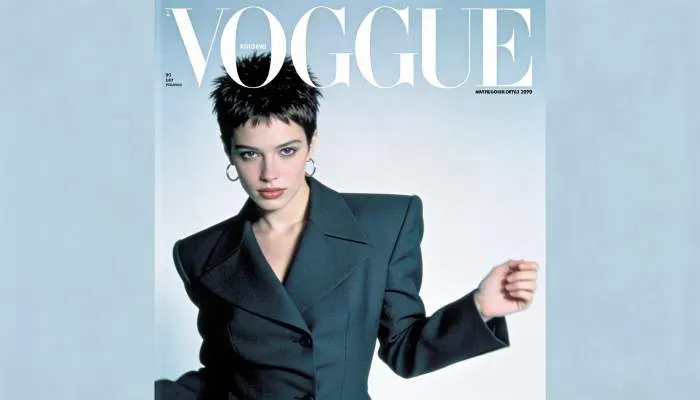 Thinking about rocking a pixie now? Great choice. It's a powerful look, not some dusty leftover from the '60s. We've moved way beyond that one iconic Mia Farrow style. What you see today on the streets and runways is a whole family of pixies: shaggy, asymmetrical, micro, long layered, or super sleek. It's all about making the chop your own, giving it a personality that's truly yours.
This isn't just a haircut, it's an attitude. It's practical, sure, but also undeniably chic. And honestly, nothing highlights your bone structure quite like a good pixie cut. It puts your face and your eyes front and center. So how do you take this classic and make it feel fiercely modern? The key is in the details, texture, length variation, and personal flair. A modern pixie might have a disconnected undercut for an edgy feel, or be tousled with sea salt spray for a beachy, effortless vibe. It can be paired with bold makeup, like a sharp cat-eye or a statement lip, to really frame the face. The goal is to find a version that feels authentic to you, whether that's a polished, wet-look finish or a piecey, bedhead style.
That modern pixie isn't just a haircut; it's a lifestyle choice. It says you're bold, you're in control, and you're not hiding behind a curtain of long hair. It's an easy to manage style that still manages to turn heads, whether you're channeling a rebellious rock star or a sophisticated executive. For many, the decision to cut it all off is incredibly liberating, shedding not just hair but also outdated expectations. It requires confidence, but in return, it gives you a unique kind of power. In a world saturated with long, flowing locks as a default feminine ideal, choosing a pixie is a quiet but potent act of defiance. It’s a look that demands to be seen on its own terms.
- Texture is King: Forget flat hair. Use a texturizing spray, dry shampoo, or a light pomade to add definition. Scrunch it, mess it up, give it some grit. A little bedhead is a good thing.
- Play with Product: Don't be afraid to experiment. A strong hold gel can give you a sleek, sophisticated look for a night out, while a styling cream offers softness and movement for daytime.
- Accessorize Smart: Headbands, statement earrings, or even a subtle hair clip can completely change the vibe. Since your hair isn't doing all the talking, let your accessories pick up the slack.
- Embrace Your Natural Hair: Work with what you've got. If your hair is curly, let those curls define your pixie. Straight hair can be styled razor sharp or with a soft, feathery touch.
- Regular Trims are Non Negotiable: This isn't a "let it grow out" kind of cut. To keep its shape and edge, you're looking at trims every 4 to 6 weeks. It's an investment, but it's worth it.
So, did a few snips of Mia Farrow's hair truly unravel a marriage to Frank Sinatra? Let's be blunt: no. That's way too simplistic. Marriages, especially under Hollywood's relentless glare, rarely crumble over a single haircut. But that iconic pixie became a lightning rod. It wasn't the cause of the split; it was the flaming fuse. The story goes that in 1966, Farrow, then 21 and starring in the TV series Peyton Place, was scheduled for a haircut at the famous Vidal Sassoon salon in Beverly Hills. Sinatra, her husband of less than two years, summoned her to a film set. She chose to keep her salon appointment. When she emerged with her long, blonde locks shorn into a severe, boyish pixie, the media frenzy was instantaneous. Sinatra, a man of traditional tastes and controlling demeanor, was reportedly furious. The haircut was a very public rejection of the glamorous, wifely image he preferred.
A Lasting Legacy: Hair as a Billboard for Change
It represented Farrow's audacious declaration of artistic independence right when Sinatra expected domestic obedience. He called; she chose the barber in Beverly Hills. That's not just a scheduling conflict, it's a statement. In the context of the mid-1960s, her act was profoundly symbolic. The pixie cut was aligned with the burgeoning youthquake and feminist movements, it was the haircut of the independent, modern woman. For Sinatra, it was an embarrassment and a challenge to his authority. The divorce was finalized in 1968, and while the haircut wasn't the sole reason, it perfectly crystallized the irreconcilable differences between them. It became the perfect Hollywood myth: the haircut that ended a marriage.
The legacy isn't about whether the scissors directly caused a divorce. It's about how that moment etched itself into pop culture's subconscious. That "divorce cut" narrative persists because it taps into something visceral: a woman's hair as a battleground for agency. Think about it. How many times since have we heard whispers when a woman dramatically changes her look after a major life upheaval? It's often seen as a sign of reclaiming control, or a reaction to losing it. Mia Farrow's pixie cemented a potent, almost mythical understanding of female self expression through follicular rebellion. It became shorthand for a woman's right to redefine herself on her own terms. This narrative connects to a long history of hair and power, much like the flappers who used their bobs to shock the 1920s or the way Princess Diana used her beauty choices to signal a break from royal tradition.
Years later, we're still talking about it. It showed us that hair is never just hair, it's often a defiant, beautiful billboard for transformation. And that idea still sticks with us, long after the gossip columns folded. The modern fascination with Mia Farrow's pixie cut isn't really about the style itself, but about the story it tells, a story of youth, rebellion, and the high price of personal autonomy in the spotlight. It reminds us that beauty choices can be deeply political, a form of non-verbal communication that sometimes speaks louder than words. From that single salon visit, a legend was born that continues to influence how we interpret a woman's decision to change her hair, proving that some style moments transcend fashion to become cultural landmarks.
- A woman asserting her identity.
- Defiance against patriarchal expectations.
- The outward manifestation of an inner revolution.
The pixie's journey from scandalous symbol to mainstream staple is a testament to shifting social norms. Today, it's a celebrated option for anyone seeking a low-maintenance yet high-impact look. But its power to shock and signify never fully disappeared. When a public figure today chops off their hair, we still read into it, looking for clues about a new chapter, a breakup, or a rebirth. The ghost of Mia Farrow's 1966 salon visit lingers in that interpretation. It serves as a reminder that in the right hands, with the right timing, a haircut can become a headline, a manifesto, and a piece of history all at once. Ultimately, the true legacy of that iconic cut is the enduring conversation it sparked about freedom, image, and who gets to control a woman's narrative.
What does a pixie haircut symbolize
Long before Mia Farrow's 1966 cut, the pixie was already a symbol of defiance. In the 1950s, Audrey Hepburn's gamine crop in 'Roman Holiday' shocked audiences and sparked a wave of copycats, yet it was still seen as a chic, European novelty. The real shift came from lesbian and bisexual women in the 1940s and '50s, who adopted short hair as a quiet but coded sign of identity in a repressive era.