
What Made the 1983 Cabbage Patch Kids Craze So Intense?
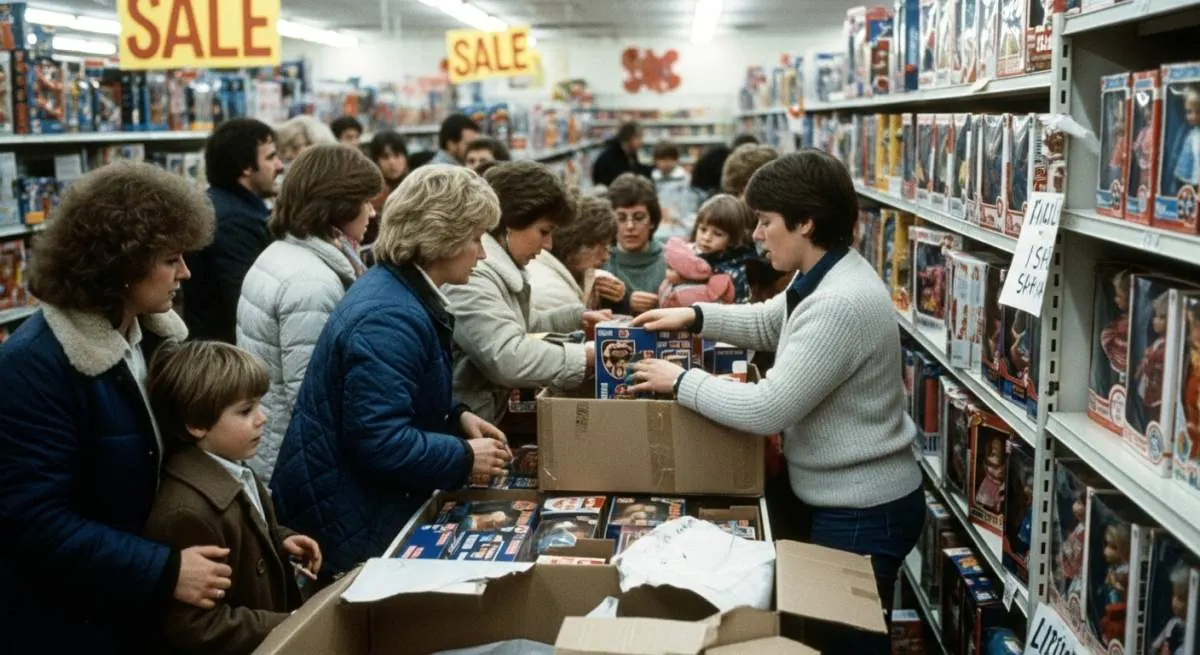
The 1983 Cabbage Patch Kids frenzy wasn't just about a doll. It was a perfect storm of clever marketing, artificial scarcity, and the emotional pull of adoption certificates that made each doll feel one-of-a-kind. Parents camped out overnight, and some stores had to call security to control the crowds, all for a $25 soft sculpture that somehow looked both homely and sweet. This craze became a national story, with news reports showing chaotic toy aisles and desperate shoppers, making it one of the most memorable holiday panics of the 1980s.
The heart of the obsession lay in the adoption concept, which turned a simple purchase into an emotional event. Each doll came with its own name, birth certificate, and adoption papers, encouraging buyers to feel they were saving a unique child rather than buying a mass-produced toy. That storytelling genius, combined with tight supply, turned the hunt into a near-manic quest that defined the season.
The Anatomy of a Trend: Where Did These Dolls Come From?
The first Cabbage Patch Kids weren't factory products but handmade cloth dolls created by a young art student named Xavier Roberts in the late 1970s. Roberts originally called them the Little People, and he sold them at craft fairs and through a small workshop in Georgia, where customers could literally adopt a doll. The name changed to Cabbage Patch Kids after a legal dispute, but the core idea of adoption and individuality stayed intact.
How Did a Handmade Doll Become a National Obsession?
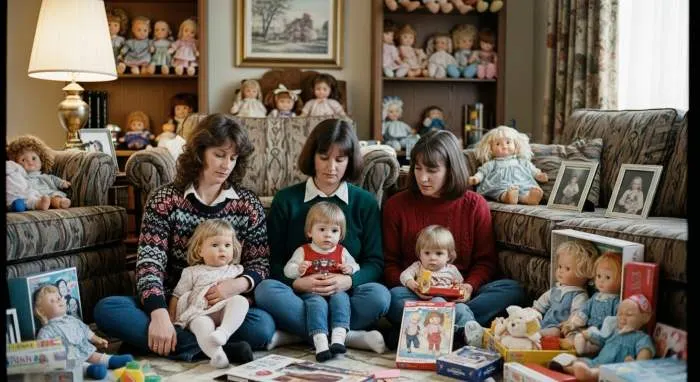
Roberts licensed the design to the toy giant Coleco in 1982, and Coleco shifted production from soft cloth to a vinyl head with a fabric body, making the dolls cheaper to mass produce. The company kept the adoption certificate and included random variations like different eye colors, hair colors, and outfits, so no two dolls were exactly alike. This deliberate introduction of variation meant that consumers were truly searching for their specific doll, rather than just a generic toy, fostering a deep emotional connection before purchase.
Marketing played a huge role, with television commercials showing children hugging their Kids and reading their adoption papers. The message resonated with parents who wanted something special for their kids. Coleco deliberately limited production in 1983, creating a shortage that fueled the frenzy even more. Some stores reported that parents would spend hours sifting through piles of dolls to find the one with the right eye color or outfit, leading to epic tug-of-wars over the last blonde-haired Kid.
What Was It Like Inside a Toy Store During the Riots?
Eyewitness accounts from the time describe scenes of near hysteria, with shoppers pushing and grabbing as soon as a shipment arrived. Security guards at stores like Kmart and Toys "R" Us had to form human chains to keep order, and some stores resorted to raffles or waiting lists to prevent violence. The term "doll riots" became a real headline, as fights broke out over the last remaining dolls on display.
The chaos wasn't limited to stores alone. Parents drove for hours across state lines, called stores every morning, and even bribed employees for inside information about restocking dates. The emotional stakes were raised by the adoption narrative, making parents feel they were failing their children if they came home empty-handed. This pressure turned the holiday season into a high-stakes race that made news across the country.
Why Did the Craze Fade After 1983?
The immediate frenzy peaked in December 1983, but by mid-1984 the market began to cool as Coleco ramped up production to meet demand. Once the dolls became widely available, the urgency disappeared, and the sense of scarcity that drove the mania evaporated. Some consumers also began to notice quality issues, like the vinyl heads cracking or the yarn hair tangling, which hurt the brand's reputation.
How Did Coleco Respond to the Changing Market?
Coleco tried to sustain interest by releasing new lines, including boys, babies, and themed outfits, but the magic never fully returned. The company also struggled with financial problems unrelated to the dolls, and by 1988 it had sold the rights to Hasbro. Hasbro continued producing the dolls through the early 1990s, but they never recaptured the cultural mania of the original year.
What Role Did the Adoption Certificate Play in the Brand's Longevity?
The adoption certificate remained the most important feature of the Cabbage Patch Kids across all manufacturers and decades. It turned each doll into a named individual, making children feel responsible for their Kid and encouraging pretend play about caring for it. This emotional hook survived the end of the craze and kept the brand alive through quiet periods when sales were low.
t periods when sales were low.How Did the Brand Survive and Return?
The indelible mark left by the 1983 Cabbage Patch Kids phenomenon extends far beyond a single holiday season. It cemented the brand's status as a cultural touchstone, ensuring its enduring presence through numerous revivals and reinventions over the subsequent decades. The original design and adoption concept became a template for later toy lines, including the hugely successful Beanie Babies of the 1990s.
Following the initial explosion of demand, the brand quickly evolved, adapting to changing consumer tastes while retaining its core identity. Original manufacturer Coleco produced millions more dolls, attempting to meet the insatiable market, before the rights transferred to other companies. Each new iteration sought to recapture that original magic, often with subtle design or material updates.
Companies like Hasbro, Mattel, and ultimately Wicked Cool Toys (now Jazwares) have all taken turns at the helm, launching various lines. These included smaller, more affordable versions, commemorative editions, and even dolls with interactive features. The underlying adoption narrative and unique birth certificate remained central to their appeal, reinforcing the sense of individuality.
- 1990s Revivals: Hasbro introduced new lines, often with updated fashions and accessories, broadening the dolls' appeal.
- 2000s Relaunches: Mattel brought the brand back, experimenting with different sizes and materials like vinyl for increased durability.
- Modern Interpretations: Subsequent manufacturers have focused on diverse skin tones, hair textures, and collectible themes, reflecting contemporary values.
The sustained interest in Cabbage Patch Kids today is fueled by a potent blend of nostalgia among original fans and a growing appreciation among new generations. Vintage dolls, particularly those from the early 1980s, have become highly sought-after collectible items, fetching significant prices in online marketplaces. This collectible market mirrors that of other iconic toys, including rare action figures from the same era, and some original hand-signed Xavier Roberts dolls sell for thousands of dollars.
Modern revivals strategically tap into this nostalgic sentiment, often releasing limited edition retro collections that appeal directly to adults who were children during the initial craze. These newer dolls maintain the familiar aesthetic while incorporating contemporary production standards. The brand has also expanded into digital realms, with mobile games and animated content broadening its reach and relevance for a new audience.
The reason the Cabbage Patch Kids remain meaningful is that they represent a specific moment in American consumer culture when a toy became more than a toy. The 1983 craze marked a shift toward emotional marketing, where the story behind the product mattered as much as the product itself. For people who lived through it, the dolls are a memory of the excitement and stress of that holiday season, while younger collectors appreciate their place in 80s nostalgia.
The brand's survival through multiple ownership changes and decades of changing tastes shows that the adoption concept had genuine staying power. Even as today's children play with tablets and video games, the offer of a unique doll with a name and a birth certificate still has a simple charm. The Cabbage Patch Kids remind us that sometimes the most powerful marketing is just a good story, told with love and a little chaos.
The hospital where dolls were born
Xavier Roberts opened the BabyLand General Hospital in an old Cleveland, Georgia clinic.
Nurses in scrubs handed each doll over with signed adoption papers.