
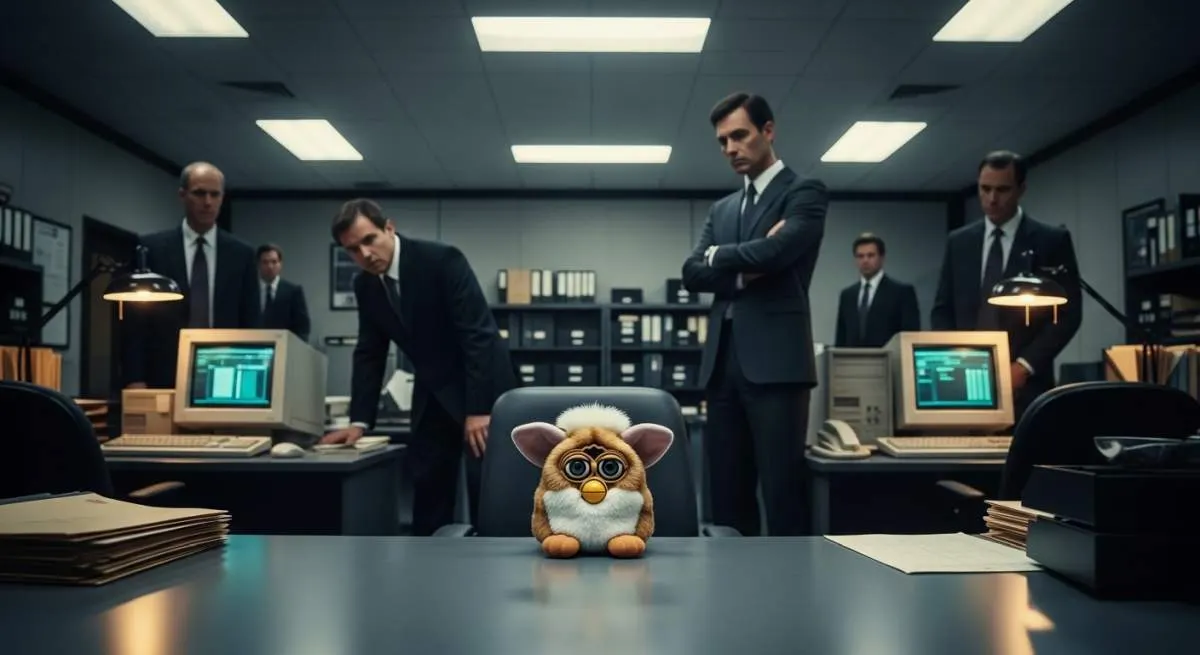
So, Why Did the Pentagon Actually Ban Them?
If the toys couldn't record anything, what was everyone so worried about? Honestly, it wasn't really about the Furby itself. It was more about a deeper kind of paranoia around security. The NSA wasn't scared that the toy was secretly a spy device. Their real concern was that its voice recognition tech, pretty advanced for its time, could be misunderstood. Or, even worse, that someone with bad intentions could tinker with a Furby and turn it into something it wasn't.
The official explanation was simple: any device that could potentially record, even if modified, was a risk to classified information. So the ban was really just a precaution, born from a time when digital security was still figuring itself out, and the line between everyday gadgets and potential threats felt a lot blurrier than it does now. This moment in 1999 perfectly captures the era's anxiety about new technology, a feeling that would only grow with the dawn of the internet age.
This whole thing actually highlighted a real weakness in how security was thought about back then: if a device could theoretically be changed to record, it was treated as a threat. In high-stakes places like the NSA, the word “theoretical” pretty much means “banned immediately.” It really shows how government agencies were struggling to keep up with how fast technology was changing, especially in consumer electronics.
This wasn't just about Furbies. It was about being afraid of the unknown, the idea that ordinary objects could be turned into tools for spying. That fear has only gotten bigger with smart home devices and all the connected tech we have now. The Y2K bug panic was happening at the same time, showing how a general sense of technological unease permeated the culture.
Was the Furby Spy Scare Actually Real?
The headline “Why did the NSA ban Furbies?” sounds like a joke, right? When the Pentagon first banned them, a lot of people thought it was ridiculous, just a classic overreaction to a silly kids' toy. But if you look past the laughter, there's actually something pretty thought-provoking here about how the security world operates. The ban wasn't an isolated incident; it was part of a broader, often unseen, protocol for managing risk in environments where a single slip could have massive consequences.
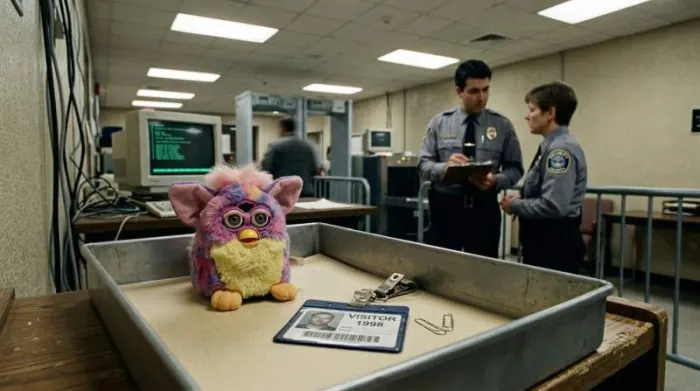
So, was the Furby spy scare real? Not in the way you'd see in a James Bond movie. The original Furbies couldn't record conversations. They just didn't have the tech for it. All they could do was repeat pre-programmed phrases or mumble garbled versions of sounds they picked up. The ban wasn't because the toy itself was some kind of sophisticated bug. In fact, the idea of a Furby being a spy is a perfect example of how urban legends and genuine security concerns can get tangled up in the public imagination.
Instead, the whole thing was more of a wake-up call. It was a reminder of the basic vulnerabilities that even simple electronics can create in ultra-sensitive environments. The NSA wasn't genuinely worried about an army of Furbies leaking top-secret intel. It was about potential. About setting a precedent. About recognizing that any device capable of recording sound, no matter how primitive, has no place in a secure facility. This wasn't some advanced AI. It was just a fluffy toy from the '90s. But it marked an early moment in security history that started with a healthy dose of paranoia around consumer tech. This precedent is why you'll still find similar bans on smartphones and other recording devices in many government buildings today.
Looking back now, that paranoia feels oddly ahead of its time. Today, we've invited Alexa, Google Home, smart cameras, and countless other connected gadgets into our living rooms, bedrooms, and offices. These devices do listen, sometimes constantly, always waiting for a keyword. They can record.
That low-tech Furby scare feels like a distant cousin to the constant data collection happening around us every second. It's a reminder that privacy isn't just about what someone explicitly steals. It's about what you willingly give away, often without even thinking about it. The Furby incident was a primitive rehearsal for the privacy debates we're having now.
The legacy of the Furby ban isn't just a funny story from the '90s. It's actually a chilling preview of our always-on, always-listening future. We once worried about a toy with simple electronics potentially broadcasting snippets of sound. Now, we worry about entire data streams, personal preferences, and intimate conversations being processed by algorithms.
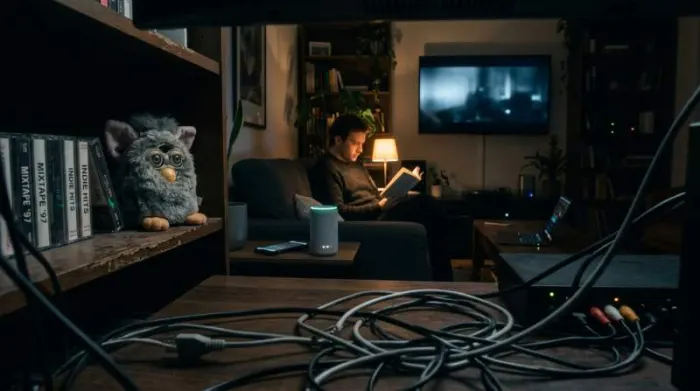
We've come a long way from a plastic doll being called a threat. The question isn't whether Furbies could spy. The real question is: who else is listening, and how much more sophisticated are they? The story of the NSA Furby ban serves as a quirky but important bookmark in the history of surveillance, a moment when a toy became a symbol for a much larger conversation about technology and trust.
To understand the full picture, it helps to remember what the late 90s were like. The Furby was a massive hit, a must-have toy that flew off shelves and sparked frenzied shopping scenes reminiscent of the Cabbage Patch Kids craze of the 80s. It was an era of dial-up internet, pagers, and the first clunky mobile phones. The concept of a toy that could 'learn' and interact felt like magic, but also a little unnerving. Against this backdrop, the idea that it could be a spy didn't seem completely far-fetched to a public still getting used to digital life. The ban tapped into a genuine cultural anxiety about the new and the unknown.
So, are Furbies still banned? While the original 1999 directive from the Pentagon and NSA specifically prohibited them in classified areas, the policy evolved. Today, the restriction is less about Furbies and more about the broad category of devices they represented: any personal electronic device with recording capabilities. The toy itself is no longer singled out, but the principle it established remains firmly in place. In a way, the Furby did its job, it made security officials think harder about the gadgets in their midst, a lesson that has been applied to every new wave of technology since.
What did the furby say when you pet it?
When you pet a Furby, it would coo and chirp in Furbish, its made-up language, before gradually learning English phrases. The toy's vocabulary grew from simple words like 'me love' to full sentences, all stored on a tiny 8-bit processor. This learning ability, which felt like real AI in 1998, is what sparked the initial security concerns at the Pentagon.
Looking back, the Furby panic says less about a plush toy and more about a moment when the future started arriving faster than the rules could follow. The ban faded, the toy moved on to new generations, but the question it raised — what exactly are we letting listen to us? — only got louder. Not bad for a giggling ball of fur.