
The Illusion of Relaxed Glamour
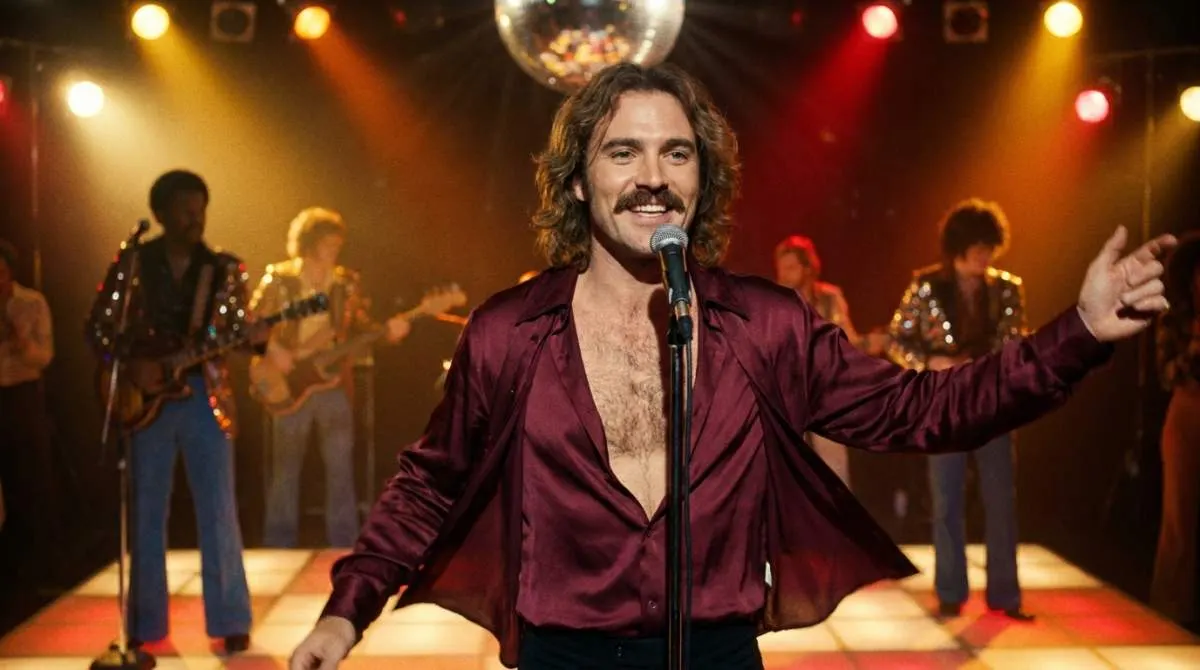
 The Bee Gees are often remembered for that late-1970s look: soft, shiny shirts with open collars, close tailoring, and a hint of chest hair. It worked because it walked the line between polished and easy-dressy enough for the stage, but loose enough to suggest movement. The shirt didn't force you to pick between glamour and comfort; it wrapped both into one silhouette.
It's hard to say exactly why the brothers chose every shirt they wore. Clothing decisions can be practical, visual, or just a matter of taste. But looking at photos and performances, you see a consistent visual language. Their clothes matched the rhythm of the music and gave audiences an image they could spot instantly [1].
An unbuttoned shirt changes how a jacket or suit reads. Instead of stopping at the throat, your eye follows the center line of the body. Leaving the collar open softens a formal outfit, especially when the fabric has a gentle sheen. On stage, that small tweak makes a tailored look feel more alive and less stiff [2].
Silk and similar fabrics have a surface that responds to movement. A fold can brighten, darken, and brighten again as the performer turns. That quality turned the shirt into part of the visual show, not just everyday wear. Rayon and other smooth fabrics could create a similar effect at different prices, weights, and durability levels.
That movement mattered on TV and in photos just as much as in a concert hall. A matte shirt captures one shape; a glossy shirt captures a changing line. The Bee Gees' open collars, coordinated tailoring, and fluid fabrics read clearly even in a short clip or a still image [3].
How the Bee Gees Defined the Look
The Bee Gees didn't invent the open shirt. Performers had been using clothes to project ease, glamour, toughness, or sensuality for years, and disco style grew out of a broad scene, not one band. What the brothers brought was a strong association with a complete package: harmonies, movement, close silhouettes, and a willingness to let softness show in a polished setting.
That combination helped the image travel. Fans didn't need an identical shirt or a full stage wardrobe to get the reference. A softly colored shirt, two open buttons, dark trousers, and a simple chain could suggest the era without turning a modern outfit into a costume. The look was recognizable because its key elements were easy to translate.
Memorable style usually combines several details into one readable shape. Here, the open collar worked with the brothers' hair, facial hair, tailored trousers, and coordinated stage presence. None of those details had to carry the whole meaning alone. Together, they created an image that magazines, TV, album covers, and later retrospectives could keep repeating.
The image also left room for interpretation. Some saw romantic confidence; others saw theatrical glamour or a break from the buttoned-up ideals of older menswear. Those readings belong to cultural analysis rather than a proven statement of the brothers' private intentions, but they help explain why the clothes still draw attention.
The late 1970s disco moment was defined by an illusion of relaxed glamour. The open silk shirt created a longer line through the shoulders, balancing movement, shine, and personal style. Its secret wasn't in copying a costume, but in the confidence that came from proportion.
Disco was a community-driven culture with many singers, musicians, dancers, clubs, designers, and fans. Open collars and shiny fabrics appeared across that wider world. Looking only at the Bee Gees can make the history seem smaller than it was. Their image became one highly visible part of a larger conversation about performance, pleasure, presentation, and who got to look glamorous.
The Saturday Night Fever Effect
Saturday Night Fever and its soundtrack gave late-1970s disco a powerful visual and commercial anchor. The Bee Gees' music became tied to the film's world of dance floors, tailored clothing, and after-dark ambition. That connection didn't make them the inventors of disco, but it did make their sound and look easier for a mass audience to remember together.
Mood Match
Four Songs for One Long Night
Here is the soundtrack for your whole evening, from the first mirror check to the last slow shuffle.
Getting ready to go out on a Saturday night
Stayin' Alive by Bee Gees
That strutting beat is exactly the swagger you want while you're doing your hair and deciding you look rather good.
Dancing in a crowded club at midnight
You Should Be Dancing by Bee Gees
The title is not a suggestion, it is an instruction, and the floor knows it.
Driving home after a long night
Jive Talkin' by Bee Gees
That rubbery groove keeps the car moving and stops you thinking too hard about the morning.
Slow dancing with someone at the end of the night
How Deep Is Your Love by Bee Gees
The tempo drops, the room goes soft, and suddenly you are holding on a little tighter than you meant to.
Play them in order. The evening does the rest.
Songs checked against en.wikipedia.org.
A song creates an atmosphere; a costume gives that atmosphere a body. The Bee Gees' vocal blend supplied lift and drama; the clothing supplied texture and motion. This partnership made the look stick in memory more than either the garment or the music would have on its own. It also explains why later revivals often borrow just fragments, a filmmaker might use the open collar, a designer might use the shine.
Someone getting dressed for a party might keep the shirt but skip the medallion. The reference stays legible even after the original formula has been simplified.
Trends last when they solve a practical styling problem as well as an emotional one. The open shirt can make a formal outfit feel less severe, create a longer visual line, and give lightweight fabric room to move. It can also be adjusted easily: button it higher for a quieter look, or open it slightly for more evening drama. That flexibility keeps the idea useful. The period may be remembered through strong colors and bold accessories, but the underlying proportion is calmer. A modern wearer can borrow the balance without copying the whole decade. That's often how a historical look survives: its most adaptable idea separates from its original costume.
Wearing the Look Today
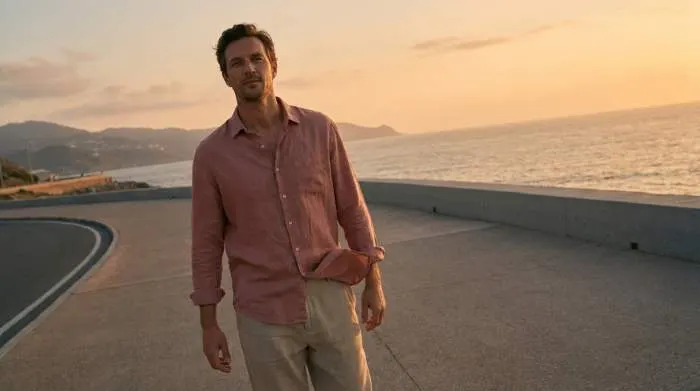
The easiest approach is to pick one clear reference and keep everything else simple. Start with a fluid shirt in silk, rayon, or something similar. Let the shoulders fit cleanly, let the body skim rather than cling, and open only as many buttons as feel comfortable. Dark trousers or straight-leg jeans keep the outfit grounded.
Look for a collar that lies flat and a hem that works with the rise of your trousers. A muted color like cream, tobacco, navy, or deep burgundy can hint at the era without shouting it. If the shirt has a strong print, skip the large necklace and let the fabric provide the interest. If the fabric is plain, a small texture or soft sheen can do the work.
One chain, a watch, or a simple ring is usually enough. The goal isn't to assemble a museum display of disco references. It's to create an easy relationship between the open collar, the shirt's movement, and the rest of the outfit. The Bee Gees' enduring lesson is less about exposing a precise amount of chest than about making a polished look feel unafraid to breathe. The most convincing version will look like your clothes, not a costume rented from another decade. Keep the line clean, let the fabric move, and choose the amount of drama you can carry naturally. That's why the open silk shirt still works: it offers a small gesture of glamour while leaving the person inside it in charge.
What did the Bee Gees wear on stage
Beyond the silk shirts, the Bee Gees often layered on custom-made suits by Italian tailor Gianni Versace, who was just starting his career in the late 1970s. Versace's bold prints and fluid cuts helped define their stage presence, but the brothers also favored simple gold chains and medallions that caught the light during performances. This mix of high-fashion tailoring and accessible accessories made their look both aspirational and relatable.
Sources
- [1] The Bee Gees embodied the decade of hardcore glamour for men | Fashion | The Guardian
- [2] 70s disco shirts: the definitive style guide
- [3] How the Bee Gees created the greatest dancefloor-filler of all time | MusicRadar
Bracketed numbers in the text (e.g. [1]) refer to the sources listed here.