
When 90s R&B Looked Loud, Proud, and Politically Charged
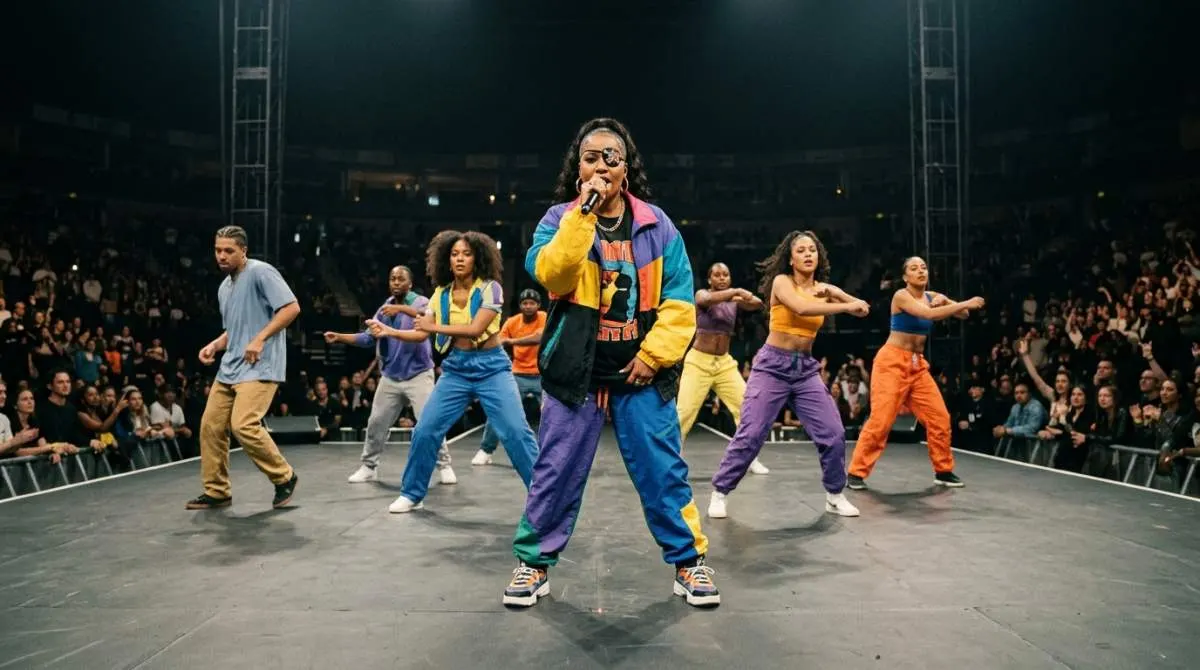
In the early 1990s, as the AIDS crisis gripped America and safe sex remained a taboo subject in mainstream culture, Lisa Lopes of TLC did something that shocked and inspired millions. She wore a condom over her left eye as a fashion accessory, turning a symbol of disease prevention into a glittering badge of defiance. It wasn't a stunt. It was a calculated act of visibility at a moment when talking about protection felt dangerous, especially for young Black women in hip-hop and R&B. The image became one of the most recognizable moments in 90s music history, proving that radical style and public health could live in the same frame.
Lisa Lopes, known as Left Eye, was already famous for her fearless approach to fashion and her willingness to say what others wouldn't. TLC had exploded onto the scene with hits like "Waterfalls" in 1994, a song that directly addressed the AIDS crisis, drug use, and the importance of safe sex. The song was explicit where most pop music stayed silent. It was a hit precisely because it spoke to young people's real fears and real lives. When Left Eye began wearing the condom as an accessory, she was extending that message into her visual identity. The condom wasn't hidden or apologetic. It was right there on her face, impossible to ignore.
The Moment It All Started
The exact origin of the condom-as-accessory moment is tied to TLC's visual evolution in the mid-1990s. Left Eye had already established herself as the group's most daring member, wearing colorful contact lenses, bold patterns, and oversized silhouettes when most of mainstream pop was still playing it safe. The condom appeared most prominently in photoshoots and performances around 1995 and 1996, during the height of TLC's cultural dominance. It was typically a metallic or brightly colored condom wrapper, sometimes placed over her eye like a monocle, sometimes incorporated into her makeup or accessories. The message was clear without being preachy: protection is part of your look, part of your identity, part of being smart and alive.
What made the image so powerful was its refusal to separate sexuality from safety. In a culture that treated condoms as embarrassing necessities to be bought in shame and used in the dark, Left Eye made them visible, fashionable, and unapologetic. She was saying: I am sexual, I am protected, and I am not ashamed of either fact. For young women especially, this was revolutionary. It challenged the idea that being careful meant being prudish, and it challenged the stigma that surrounded HIV and AIDS prevention in Black communities, where misinformation and medical racism had created deep distrust of public health messaging.
Why the Left Eye Specifically?
Left Eye's stage name itself became part of the visual language. She had already made her left eye distinctive through makeup, contacts, and styling choices. Placing the condom over that eye created a perfect visual pun: the eye that was already her signature became the canvas for her most important message. It was clever branding and serious activism at once. The redundancy of the name and the image made it impossible to separate Left Eye from the message of safe sex. You couldn't talk about her without talking about what she stood for.
The Legacy: How a Condom Wrapper Became a Pop-Culture Artifact
That one photo of Lisa with the condom over her eye turned into a kind of visual shorthand. It said you were careful and cool. It meant you had something to say without saying a word.
The Street-Level Spread
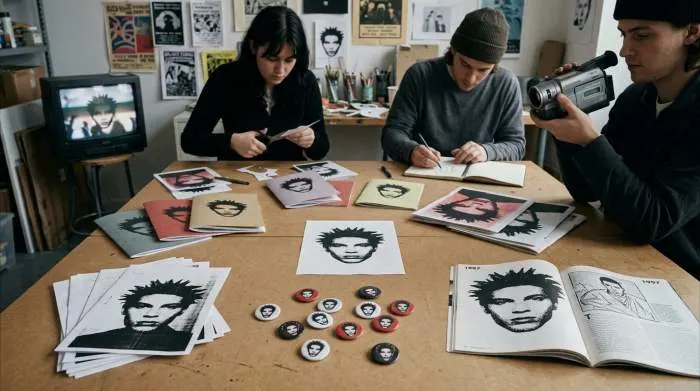
The image spread on its own, showing up on bootleg pins, zine covers, and club flyers. It even appeared in a 1997 Spin magazine ad for safe sex campaigns. Here's the twist: that ad was shot by a young David LaChapelle, who later said Lisa's vision for the shoot was so fierce it shaped his whole career. Art students recreated it in their short films. It became a hidden Easter egg in early hip-hop videos.
Who Kept the Flame Alive
Erykah Badu nodded to the Left Eye look in a Rolling Stone photoshoot. She wore a big gold ring over her left eye. The visual echo was hard to miss. It kept the idea alive for a whole new crowd.
Underground DJs in Chicago and Detroit printed tiny eyes on condom wrappers they handed out at doors. It was a low-budget tribute. It spread without any brand backing, just word of mouth and shared memory. The condom became a tool for grassroots harm reduction and community care, passed hand to hand in clubs and at parties where young people were actually living their lives.
The Cultural Moment That Made the Statement Necessary
The early 1990s were a terrifying time for young people, especially young Black Americans. The AIDS crisis had killed hundreds of thousands. Misinformation was everywhere. Condoms were still treated as taboo in schools, churches, and many homes. The government had largely abandoned the crisis, and the media often portrayed AIDS as a disease of "other" people. In this climate, TLC's "Waterfalls" and Left Eye's visual statement were acts of survival. They were saying: we see you, we know you're scared, and we're going to talk about this anyway. By making safe sex visible and cool, Left Eye was directly challenging the shame that kept young people from protecting themselves.
The condom on her eye was also a direct response to the way Black women's sexuality was policed and controlled. In a culture that simultaneously hypersexualized Black women while denying them agency over their own bodies and health, Left Eye's image reclaimed that power. She was saying: my sexuality is mine, my safety is mine, and I will not be silent about either.
Modern Revival: How Gen Z Found the Condom in the Culture
The condom never really disappeared. It just hid out for a while. Now the logic is back. Kids wear pouch bags shaped like condom wrappers. The left eye condom 90s R&B fashion statement lives on in those little foil-shaped bags. They rock graphic tees with old slogans. They do it with a wink, not a lecture. The earnestness is gone, but the intent is real.
The Aesthetic Shift Away from Shame
Back in the 90s, the message felt life-or-death. Today it comes wrapped in pastel patterns. It sits next to bold cat-eye looks on Instagram.
It's not a protest. It's a flex. The fear factor is gone.
In its place is a knowing smirk. The symbol is still that little foil square. The energy is lighter and travels further.
The core idea stays the same. The condom is the ultimate symbol of control. It values pleasure and life equally.
The packaging changed, but the promise didn't. Modern kids need a cool visual cue, not a clinical PSA. That's where the Left Eye ghost lives on.
It's the confidence of carrying protection without hiding. It's quiet power wrapped in style. That revival is worth celebrating.
Why the Left Eye Condom Image Still Resonates Today
Left Eye's condom became iconic because it solved a problem that still exists today: how do you make health feel cool? How do you make protection feel like power instead of fear? The answer, then and now, is to put it in the hands of people who already have style and credibility. When a cultural figure you admire wears something, you notice. When they wear it with confidence, you believe it matters. Left Eye understood this instinctively. She wasn't lecturing from a podium. She was showing up to award shows, music videos, and photoshoots with a condom on her face, and she was gorgeous doing it. That's the kind of messaging that actually changes behavior.
What did left eye lopez condom symbolize
The condom over her left eye echoed the chaotic condom distribution efforts of early 1990s activist groups like ACT UP, who sometimes handed out colorful wrappers at protests to normalize protection. Left Eye’s glittering version was a cheeky rebellion against the era’s public health posters, which often featured grim, fear-based imagery instead of celebrating youth culture.