Why 1930s Audiences Chose Films Over Food
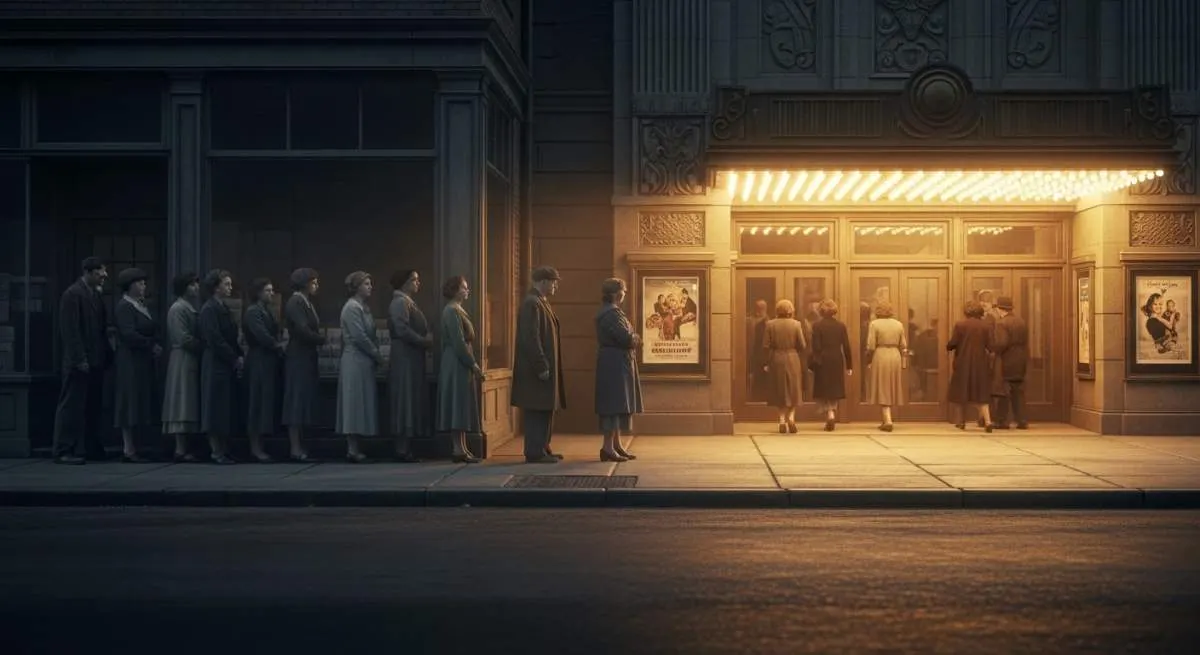
Some trends arrive with fanfare; this one feels like it slipped in through a side door. The 1930s brought Hollywood escapism, a quiet but powerful force. Life in America was truly grim [1].
People wore despair like a second skin. Jobs vanished and savings disappeared quickly. The future looked bleak, yet they sought reprieve. Many found it on the silver screen [2].
Grandma Rose often spoke of those years. She saved dimes in a chipped teacup reserved only for movies. It was her small act of rebellion and hope [3].
'Jasmine,' she'd say, 'we had nothing left. But for ten cents,Clark Gable was ours.'
The Great Depression started with the 1929 stock market crash. Investor confidence shattered, banks failed, and people withdrew savings. Overproduction created huge surpluses, prices fell, and businesses closed. High tariffs stifled trade, worsening the global slump.
Inside those grand picture palaces, the world changed. Plush seats offered comfort, and velvet curtains parted on impossible dreams. Air conditioning was a luxury. For a few hours, the bread line faded.
Hollywood offered a vibrant alternative. Musicals exploded with color, gangster films thrilled audiences, and screwball comedies brought laughter. These films created an illusion of prosperity.
Audiences adored these larger-than-life figures. They dreamed of their glamour and coveted Hollywood beauty secrets. Women wanted to look like Jean Harlow, and men sought Cary Grant's charm. Movie stars became symbols of escape.
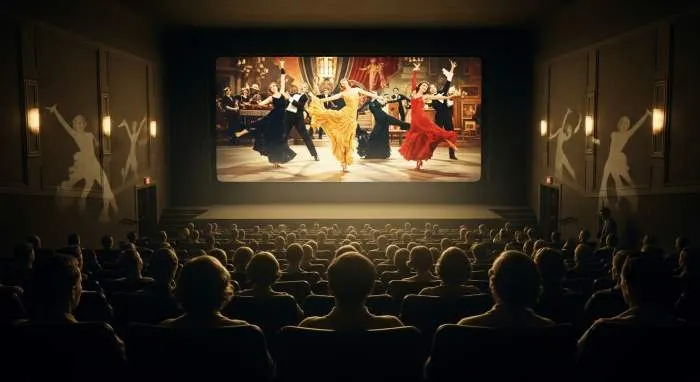
This was more than entertainment: it was a collective ritual of resilience. Strangers in the dark shared a silent promise that better days were coming, one flickering frame at a time. It was a lifeline, a shared experience.
The Secret Weapon of 1930s Hollywood
The 1930s were grim, yet Hollywood had a secret weapon. It wasn't just big budgets; studios understood human psychology well and exploited it brilliantly. They sold a potent fantasy, a powerful antidote to despair.
Making aspirational living feel real was key. Studios sculpted idols, not just stars. Stars wore costly gowns, yet costumes often recycled elements to project endless luxury and glamour. These images flooded media daily.
Audiences felt truly connected. My grandmother drew Joan Crawford's dresses for hours, copying movie looks and dreaming of a different life. It was a constructed illusion, but it felt so real.
She dreamed of a different life. It was a constructed illusion. Still, it felt so real.
Lighting techniques enhanced features, soft focus blurred imperfections, and actresses always glowed. Directors staged every scene carefully, and musical scores evoked strong emotions. This meticulous planning created a perfect world.
Studio heads like Louis B. Mayer were master manipulators. They controlled stars' images, gave actors scripts for their public lives, and even arranged romances. This strict control ensured a seamless dream, masking a harsher reality.
Romances were often arranged. This strict control ensured a dream. It masked a different reality.
The escape began much earlier in opulent movie palaces. They offered velvet seats and gilded ceilings that amazed patrons, a stark contrast to cold homes. For pennies, people found temporary luxury.
Gilded ceilings amazed patrons. These theaters contrasted cold homes. For pennies, patrons found temporary luxury.
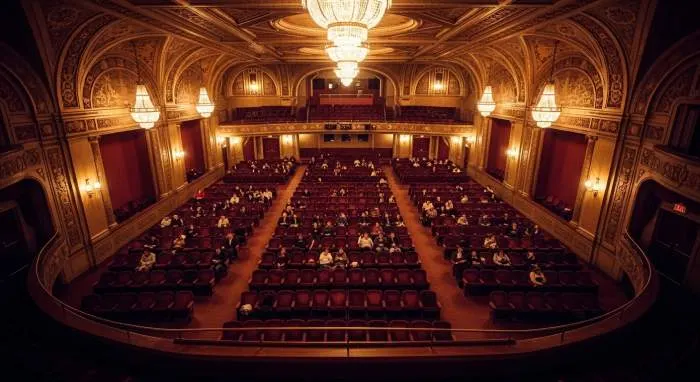
The experience continued with newsreels and cartoons before the main feature. Newsreels showed curated events, often ending hopefully. The main feature delivered pure fantasy with mandatory happy endings.
I found an old ticket stub once, tucked in a dusty attic box. It was for the Paramount Theatre in 1937 and cost just 15 cents. My mind raced imagining worn shoes entering that lobby. That paper held a world of dreams, a moment of dignity and joy.
That paper held a world of dreams. It was a moment of dignity and joy.
The Enduring Legacy of 1930s Glamour
The 1930s was a tough decade, yet it birthed a unique glamour that refused to fade. Its influence seeped into everything, and we still feel its elegant heartbeat.
It evolved constantly. Its influence seeped into all things. We still feel its elegant heartbeat.
The bias cuts set high standards, becoming Old Hollywood shorthand. Later houses like Versace looked back, reimagining that elegance for new generations.
Celebrity style captured true magic. Consider Jean Harlow's platinum hair and slinky gowns. Today's divas channel that flair, loving its sophistication.
I found an incredible bias-cut slip dress at a flea market once. It screamed Carole Lombard, felt delicate yet powerful. I wore it to an art opening, and everyone asked its story. That 30s magic is still real.
It felt delicate, yet powerful. I wore it to an art opening.
Everyone asked its story. That 30s magic is still real.
The films left deep marks. Noir borrowed its moral ambiguity, screwball comedies inspired rom-coms, and animated features echoed grand narratives. The visual language was strong.
Music also evolved naturally. Big bands and swing filled airwaves, their energy shaping jazz for years. Crooners like Bing Crosby are revered, and modern artists still cover their tunes.
Crooners like Bing Crosby are revered. Modern artists still cover their tunes.
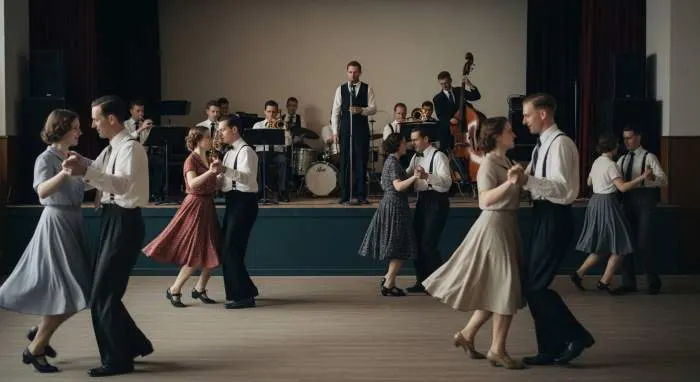
The 1930s allure never died; it simply went underground, reappearing with a fresh twist. It inspires new artists, and its influence is unmistakable.
Old Hollywood revival nights show forgotten gems. Fashion magazines feature vintage spreads, indie films mimic the era's cinematography, music artists sample Jazz Age sounds, and TV shows create accurate period pieces.
This era was more than movies; it was a blueprint for escape. Its distinct style and story became cultural DNA. Hollywood escapism endures, whispering tales of resilience.
How 1930s Hollywood Glamour Inspires Modern Fashion and Entertainment
The 1930s Hollywood allure never fades. Its spirit cycles back, and we see echoes everywhere today.
This isn't just about costumes; it captures a feeling. It's glamour in resilience, and that is always relevant.
Any body can feel like a movie star. Wide-leg trousers hint at confidence, and tailored suits offer comfort and power.
Bring these pieces into your wardrobe. A silky slip dress under a blazer creates an instant vibe.
I scored a bias-cut slip dress in '96 that looked like Jean Harlow's. I wore it with combat boots and a denim jacket. My friends called me wild, and I felt like a silent film star. That is true revival magic.
I felt like a silent film star. That is true revival magic.

Accessories also play a huge part. Delicate pearls add instant polish, a cloche hat offers mystery, and a strong red lip channels glamour. It's subtle details, not full period looks.
A strong red lip channels glamour. It's subtle details, not full period looks.
1930s escapism goes beyond clothes. It's in our entertainment choices. Streaming lets us rediscover classic films, losing ourselves in black-and-white worlds. These stories offered hope then and still do today, reminding us of the human spirit.
These stories offered hope then. They still do today. They remind us of human spirit.
Speakeasy bars are popular today, recreating clandestine charm. Live jazz conjures a timeless mood, creating a temporary retreat. This craving for beauty remains; we seek transportive experiences.
Consider craftsmanship's emphasis. Handmade items, classic cocktails, and thoughtful design were prized then and are again now. It's a return to quality; artistry is always stylish.
They are again now. It's a return to quality. Artistry is always stylish.
The Great Depression reshaped government's role, creating lasting social programs and safety nets. This era taught economic resilience, and its lessons influence policies now. We still study its effects.
The 1930s are not just history; they offer a blueprint for joy and show us how to look fabulous even when things are tough. It's about an enduring spark that never goes out of style.
That spark is why, even when bread was scarce, the dream of a Hollywood movie felt essential. It was a small, defiant act of choosing beauty over despair, a lesson in resilience that still resonates today.
How did the Great Depression affect the film industry
Surprisingly, the Depression was a boom time for Hollywood. While other industries collapsed, movie attendance soared-by 1939, nearly 65% of Americans went to the movies weekly. Studios even slashed ticket prices to 10 cents, making films the cheapest escape from bread lines and empty pockets.