
Tracing Mod Roots: Who Sparked the Style?
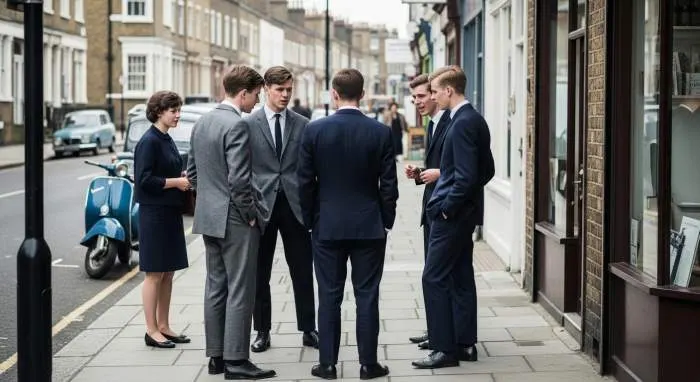
Mod fashion emerged from a London youth subculture in the late 1950s, born among working-class young men who rejected the teddy boy aesthetic and embraced Italian tailoring, sharp modern jazz, and a sleek, forward-thinking approach to style. What began as a deliberate break from the past quickly captivated young women, and by the early 1960s, Mod had become the defining look of Swinging London. Designer Mary Quant played a crucial role in bringing Mod to mainstream audiences, translating its bold geometry and clean lines into accessible, mass-produced pieces that made the style available beyond London's original mod clubs and dance halls.
Magazines kept Mod alive for decades, with fashion spreads referencing its bold geometry and sharp tailoring offering timeless appeal. Street style also paid homage, as young people found freshness in its defiance and cool in its confidence.
Mod proved true style never dies. It simply transforms, waiting for the next generation to rediscover its magic. That is a legacy worth celebrating [1].
Go-Go Boots: The Mod Essential
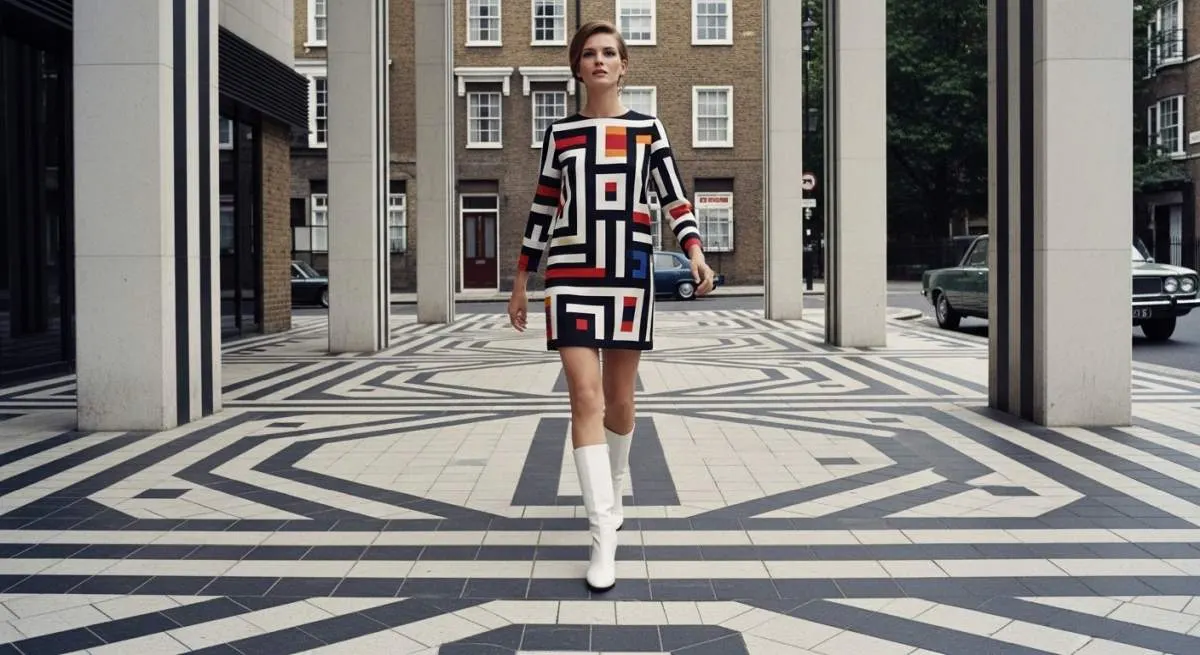
Go-go boots arrived in the mid-1960s as the perfect footwear for Mod's clean, youthful silhouette. Named after the go-go dancers who performed in nightclubs, these calf-high boots featured a sleek, often white patent leather finish and a modest heel that allowed young women to dance all night without sacrifice. The boots' geometric simplicity and modern construction made them instantly recognizable; they weren't ornate or fussy, but rather a direct visual statement of youth, freedom, and forward momentum. Paired with mini skirts and shift dresses, go-go boots created an elongated leg line that felt revolutionary compared to the fuller skirts and kitten heels of the 1950s [2].
Go-go boots are still a statement today. Modern versions might have lower heels or sport richer textures like suede or metallic finishes. They add instant retro flair to jeans or complete a short shift dress. The sleek patent finish remains iconic, though contemporary interpretations often explore color and material beyond the original white leather.
Geometric Prints: The Visual Language of Mod
Geometric prints formed the visual backbone of Mod fashion, expressing the era's embrace of modernity and mathematical precision. Bold black-and-white optical patterns, sharp chevrons, concentric circles, and abstract shapes appeared on dresses, tunics, and accessories. These prints weren't decorative flourishes; they were a deliberate rejection of the floral, romantic patterns associated with earlier decades. The geometric aesthetic aligned perfectly with Mod's philosophy: clean, efficient, forward-thinking, and unapologetically contemporary. Designers like Mary Quant and Biba used these prints to signal that fashion was moving into a new era, one where young women could dress for themselves rather than for tradition.
Iconic geometric prints make a comeback today. They feel current on a structured blazer or a modern tunic dress. Black and white optical patterns are sharp, while adding a bold primary color feels playful and true to the original Mod spirit.
A French Twist
- Everyone assumes those iconic white go-go boots were a purely British invention of the Mod scene.
- While Mods made them famous, the original sleek, white, mid-calf go-go boot was actually defined by French designer André Courrèges in 1964.
Source: en.wikipedia.org
Mod and the Youthquake
Mod fashion defined the Swinging Sixties, emerging in the late 1950s and flourishing through the mid-to-late 1960s. This vibrant era challenged old traditions and celebrated youth culture in ways that felt genuinely radical. Mod reflected a youthquake, a generational shift in which young people rejected their parents' values and created their own visual language. The style embraced modernity, bold self-expression, and a democratic approach to fashion; Mod wasn't about inherited wealth or family status, but about attitude, taste, and the courage to stand out. Young Londoners, particularly working-class youth, found in Mod a way to signal that they were different, smarter, and more forward-thinking than the generations before them.
Mood Match
Needle Drops for a Night Out
Find the moment below that sounds like your evening, then give the song a spin.
Getting ready for a Saturday night out
The Kids Are Alright by The Who
That churning guitar is exactly the restless feeling of a night still ahead of you and nothing decided yet.
Dancing all night in a packed club
Dancing in the Street by Martha and the Vandellas
It was the sound of bodies moving together in a hot room where nobody wanted the last record to end.
Walking home at dawn after a party
Sunny Afternoon by The Kinks
The wry, lazy melody suits that strange, soft hour when the streets are empty and you are pleasantly wrecked.
Picking an outfit in front of the mirror
Paint It Black by The Rolling Stones
Something about that dark, prowling riff makes you want to choose the bolder thing and mean it.
Play them in order and the whole evening tells its own story.
Songs checked against en.wikipedia.org.
The mod subculture also developed a distinctive social scene centered around specific London clubs, record shops, and dance venues. Mods gathered at clubs like the Marquee and the Scene, where they danced to soul, ska, and early reggae music. This social infrastructure, the clubs, the record labels, the fashion boutiques, created a self-reinforcing ecosystem that kept the style alive and evolving. Unlike many fashion trends that fade quickly, Mod had a genuine community behind it, which gave it staying power and cultural depth.
Music, Clubs, and the Mod Lifestyle
Music and Mod were inseparable. The Who, The Kinks, and The Small Faces became the soundtrack to Mod life, and their fashion choices, sharp suits, target logos, and bold prints, reinforced the visual identity. Mods didn't just wear the clothes; they lived the philosophy of the music, which celebrated youth, rebellion, and modernity. This connection between music, fashion, and identity created a powerful cultural force that extended far beyond clothing. Mod became a complete lifestyle statement, encompassing how you dressed, what you listened to, where you went, and how you moved through the world.
How to Wear Mod Fashion Today
Modern Mod often mixes eras rather than replicating the past. A vintage shift dress works beautifully with modern sneakers, creating a playful dialogue between decades. Or try a sleek tailored jacket worn over wide-leg trousers for confident simplicity. The key is selecting individual pieces that speak to you rather than assembling a head-to-toe costume. A single strong Mod piece, a geometric print tunic, a pair of go-go boots, or a sharp A-line mini skirt, makes a statement without feeling dated or forced.
Accessorizing is crucial to pulling off modern Mod. Oversized sunglasses are essential; they give instant cool and echo the Mod obsession with sharp, graphic silhouettes. Headbands or hair scarves add a playful touch. Keep makeup clean and graphic, with a bold eyeliner flick that references the era without mimicking it exactly. The goal is channeling Mod's spirit of confidence and modernity, not recreating a museum piece.
Why Mod Endures
Mod fashion never truly disappeared; it simply takes periodic rests before resurfacing with renewed energy. Designers continue to dip into its cool playbook, finding fresh inspiration in those clean, bold lines. Today's revival is less about replication and more about channeling that original spirit of youthful rebellion and modern simplicity. Contemporary fashion houses reference Mod's geometric prints, sharp tailoring, and minimalist silhouettes because these elements remain fundamentally appealing. They communicate confidence, intelligence, and a refusal to follow tired conventions.
The enduring appeal of Mod lies in its fundamental philosophy: that style should be accessible, that youth culture has valid aesthetic ideas, and that fashion can express a complete worldview. These ideas remain radical in their own way. Every time a new generation discovers Mod, they're not just adopting a look; they're embracing a democratic approach to fashion and a celebration of individuality. That message never goes out of style.
What did mods wear in the 1960s
Mods didn't just wear clothes; they curated a complete look. The iconic parka, often a fishtail style, was a practical choice to protect sharp suits from rain while riding scooters. And beneath that, a crisp button-down shirt and slim tie were non-negotiable, a nod to the Italian tailoring they admired.