
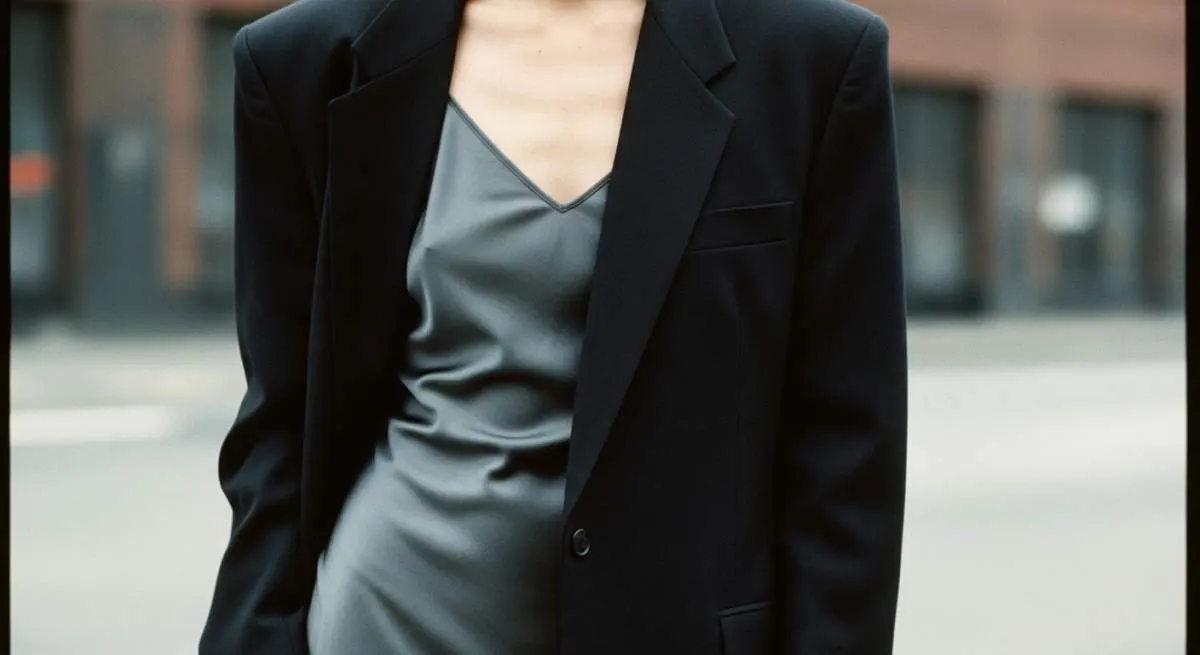
Looking ahead to 2026, two iconic garments are making a strong comeback: the 1990s slip dress and the 1980s power blazer. To really appreciate why they're back, we need to trace their roots through the rich history of 20th-century fashion. According to the fashion forecast 2026 spring summer trends, these two pieces are set to dominate wardrobes again.
From Corsets to Freedom: The Roots of Modern Women's Fashion
Let's start not with the direct ancestors of these pieces, but with the very foundations of modern women's fashion liberation. The roaring 1920s kicked off a decade of seismic shifts. Women shed the corsets and voluminous skirts of the Edwardian era, embracing a newfound freedom in movement and expression.
1930s Elegance: The Bias-Cut and the First Hints of Tailoring
As we moved into the 1930s, the exuberance of the Jazz Age gave way to a more refined, yet still liberated, elegance. The bias-cut gown became the epitome of sophistication. It clung to the body in a way that celebrated natural curves without the need for restrictive undergarments.
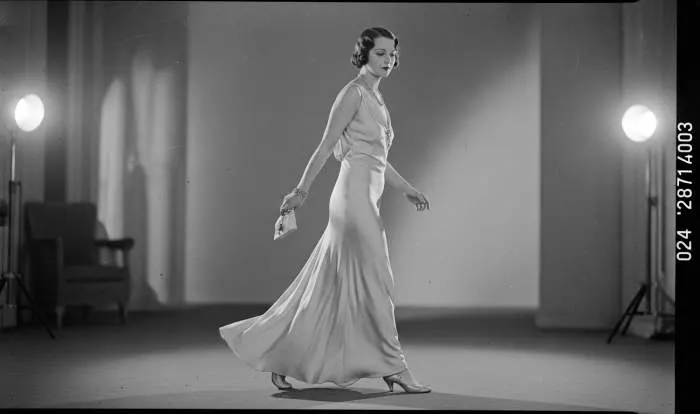
Designers like Madeleine Vionnet pioneered this technique, creating dresses that seemed to flow like liquid. Despite the economic hardship of the Great Depression, Hollywood glamour still dictated trends. Stars like Jean Harlow and Carole Lombard exuded effortless allure in these slinky, satin creations.
This is where we see an early hint of the slip dress aesthetic. This garment, while still considered formal evening wear, had a fluid, body-skimming silhouette that hinted at the intimacy of lingerie. And in doing so, it subtly blurred the line between lingerie and outerwear.
1940s Utility: The Birth of the Strong Shoulder
The 1940s brought the harsh realities of World War II, which had a profound impact on fashion. Utility and practicality became paramount, as fabric rationing and the need for durable clothing dominated design. Women entered the workforce in unprecedented numbers, taking on roles traditionally held by men, and their clothing reflected this new functionality.
1950s Reaction and the Rise of Youth Culture
Then came a dramatic shift in the late 1940s and 1950s, a post-war reaction that tried to bring back traditional femininity. Christian Dior's "New Look" in 1947 was a truly revolutionary moment. It was characterized by nipped-in waists, full skirts, and rounded shoulders, using yards of fabric in stark contrast to wartime austerity.
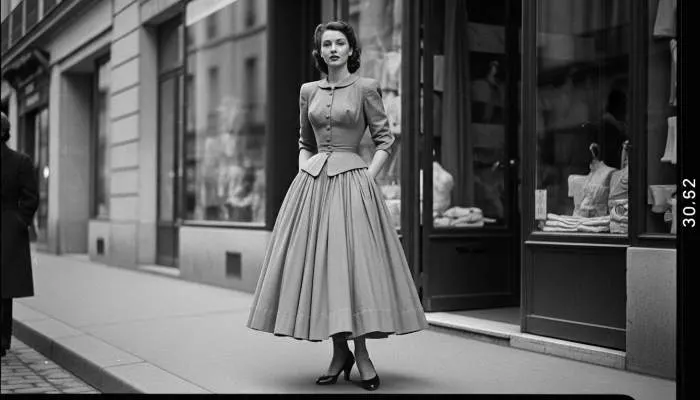
The "New Look" was an immediate sensation, a powerful symbol of renewed optimism and a return to lavishness.
While beautiful and influential, it represented a temporary departure from the more relaxed silhouettes that had been emerging. But even within this era of heightened femininity, the seeds of future trends were being sown. The rise of youth culture and the increasing availability of ready-to-wear clothing meant that fashion was no longer solely dictated by haute couture.
Casual wear gained prominence, and while the slip dress as we know it wasn't a public garment yet, the underlying principle of simplicity and ease was beginning to permeate everyday fashion, often seen in simple sheath dresses or tailored separates.
1960s Youthquake: Rebellion and Minimalism
The 1960s exploded with a youthquake, rejecting the formality and perceived conservatism of the previous decade. Mini-skirts, mod fashion, and the rise of designers like Mary Quant epitomized a new era of rebellion and self-expression. Silhouettes became simpler, hemlines shorter, and colors bolder.
1970s Eclecticism: Disco Glamour and the Slip Dress's Public Debut
The 1970s marked an era of unprecedented eclecticism. From bohemian folk to punk rock, the decade was a melting pot of styles. But perhaps its most iconic contribution to our story is the rise of disco. This was a culture built on movement, glamour, and a celebration of self. Women embraced plunging necklines, high-slit skirts, and often fluid, body-conscious dresses made from materials like satin, jersey, and even early forms of stretch fabrics.
This is where the slip dress, or at least its essence, truly began to flirt with public visibility. While not yet called a 'slip dress,' the slinky, glamorous, often bias-cut evening gowns of the disco era shared a profound aesthetic kinship with the later 90s staple, embodying a similar spirit of effortless sensuality and confidence.
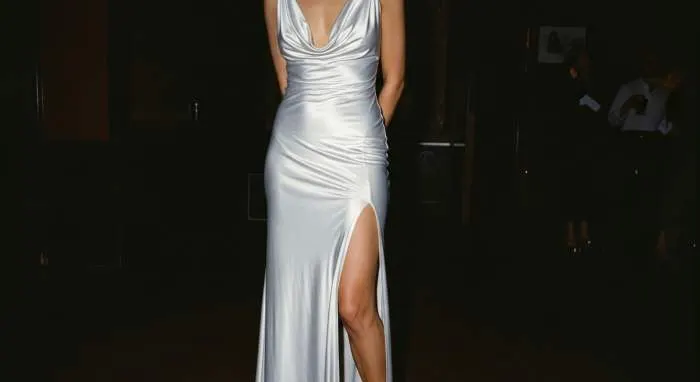
Studio 54 fashion history provides a vivid snapshot of this era, where anything went and expressing your individuality was everything.
What most people don't know is that the club had an actual dress code, not one that demanded formality, but one that rewarded spectacle. Door selector Marc Benecke once turned away Warren Beatty for looking too plain. That tells you everything about the era's relationship with dressing as performance.
"Fashion is a language that creates itself in clothes to interpret reality."
1980s Power Dressing: The Rise of the Blazer
And then came the 1980s, a decade of bold ambition, excess, and unapologetic power. This was the era of the 'dress for success' mentality, where women, increasingly entering corporate roles, adopted clothing that mirrored their newfound authority. The power blazer emerged as the quintessential garment of the decade.
It was characterized by exaggerated shoulder pads that created a strong, formidable silhouette. This wasn't just about fashion, it was a statement of intent, a visual assertion of presence in male-dominated boardrooms. Think shoulder pads so wide they almost touched the earlobes, often paired with tailored trousers or pencil skirts.
Designers like Giorgio Armani and Donna Karan became synonymous with this look, offering luxurious yet practical options for the modern working woman who wanted boardroom dressing with real sartorial edge. They turned structured tailoring into a full-blown style movement. The influence of television shows like Dynasty and Miami Vice further solidified this aesthetic, making powerful shoulders and sharp tailoring synonymous with success and aspirational living.
1990s Minimalism: The Slip Dress Finds Its Voice
As the opulent 80s faded, the 1990s brought a dramatic shift towards minimalism, grunge, and a rejection of overt ostentation. It was a decade that valued authenticity, understatement, and a certain nonchalant cool. This is where the slip dress truly found its moment in the sun. The slip dress, often in simple silk or satin, became the uniform of a new kind of chic. It was worn by supermodels like Kate Moss and celebrities like Carolyn Bessette-Kennedy, embodying a look that was both intimate and polished. The grunge movement, with its flannel shirts and layering hacks, also embraced the slip dress as a foundational piece, often worn over a t-shirt or under a cardigan, subverting its lingerie origins into something deliberately casual. This duality, elegant minimalism and grunge deconstruction, is exactly why the slip dress feels so relevant again. It offers that perfect balance of ease and intention that defines modern dressing.

What is the history of the slip dress in fashion
The slip dress actually has its roots in the 1920s, when Coco Chanel popularized jersey fabrics and simpler silhouettes that echoed the undergarments of the era. But it wasn't until the 1990s that designers like Calvin Klein and Helmut Lang turned it into a mainstream icon, often layering it over t-shirts or wearing it alone for a minimalist look that felt both intimate and rebellious.