
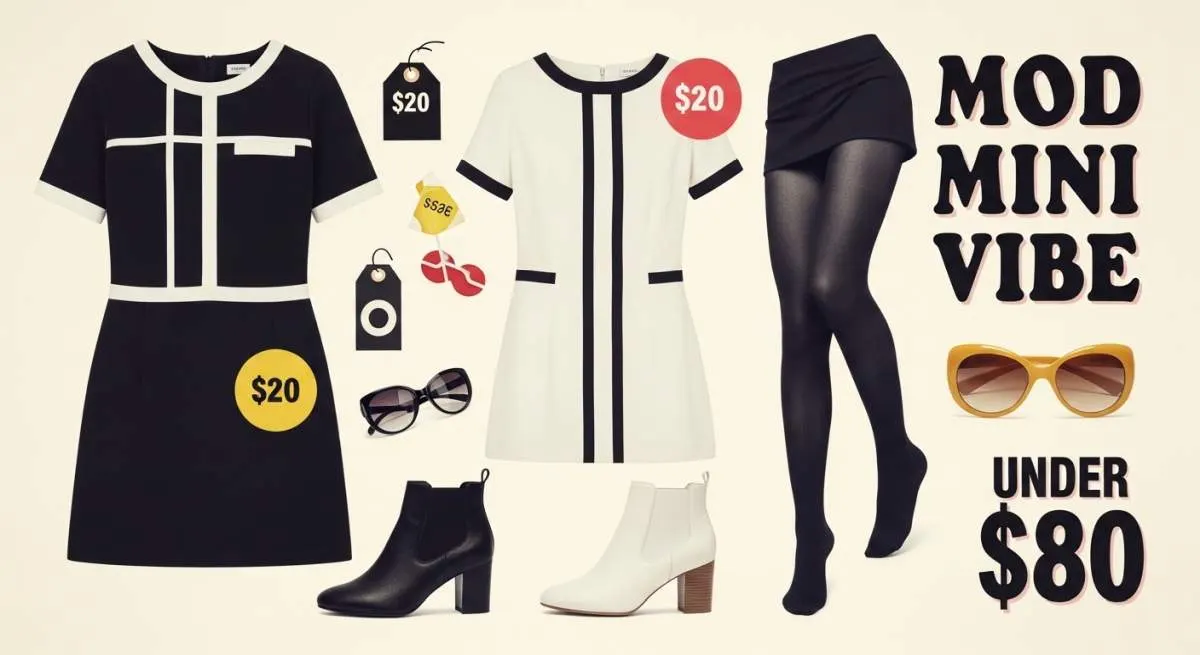
Stepping Into the Swinging Sixties on a Shoestring
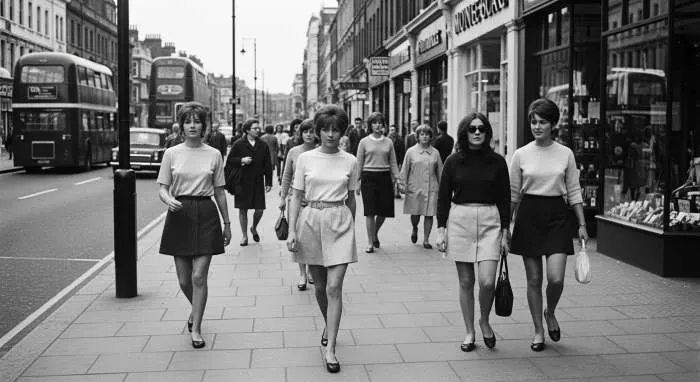
Picture this: Carnaby Street in full bloom, the air buzzing with energy and the sound of young feet stomping in white boots. The mod mini dress wasn't just a piece of clothing; it was a declaration of independence, a bright splash of color against the gray conformity of the past. And the best part? You don't need a fat wallet to snag that iconic look, daddy-o.
From Ancient Roots to Mod Marvels
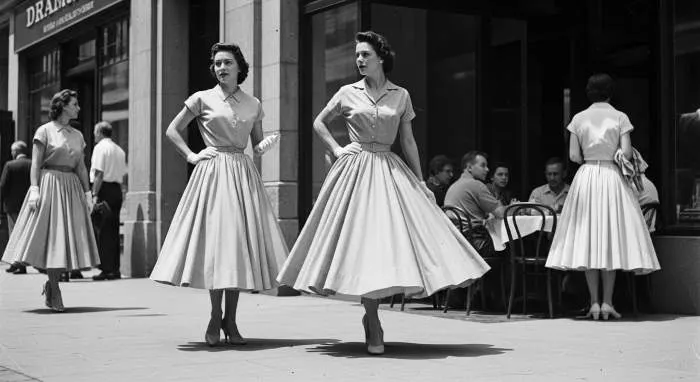
The roaring twenties really kicked things into high gear for women's liberation, even in their closets. While not quite mini, the shorter skirts of the 1920s signaled a bold departure from corsets and floor-sweeping gowns. Flappers shimmied and danced, demanding clothes that moved with them, foreshadowing the freedom the mini dress would later embody.
Well, that's a bit like asking who invented the wheel, pal! While short skirts have been around forever, the *modern* mini skirt, as we know it, truly exploded in London during the early 1960s. British designer Mary Quant gets a lot of the credit for pushing the hemline ever higher, making it a symbol of youthful defiance. Across the Channel, French designer André Courrèges was also showing ultra-short dresses around the same time. It was a simultaneous awakening, driven by a generation ready to ditch their parents' stuffy styles.
The 1960s wasn't just about rising hemlines; it was a whole new vibe. The mini dress wasn't just a garment; it was a manifesto, a statement of independence and playful rebellion. This era also birthed the iconic go-go boot, often seen stomping alongside those minis. Initially designed by André Courrèges in 1964, these white, low-heeled boots quickly became a staple for dancers and fashionistas alike.
And here is the delicious detail most people miss: Courrèges originally called them his "moon girl" boots, inspired by the space race and his genuine belief that women would one day need chic footwear on the lunar surface. Fashion optimism does not get more gloriously out-there than that. Geometric prints, too, found their moment in the sun, reflecting the cutting-edge art movements of the time. Op Art and Pop Art brought bold shapes, lines, and dizzying patterns right onto the fabric, turning shift dresses and A-line silhouettes into wearable art that doubled as a cultural manifesto.
"The whole point of fashion is to make fashionable clothes available to everyone.", Mary Quant
Mary Quant's philosophy perfectly encapsulates the democratic spirit of the mod movement. Fashion was no longer just for the elite; it was for every young person wanting to express themselves. The mini dress, paired with those unforgettable go-go boots and eye-popping prints, became the uniform of an entire generation. It was a look that screamed "youthquake" and changed fashion forever.
Why the Mod Mini Dress Changed Everything
The 1960s were a real blast, a cultural earthquake that shook up the squares and ushered in a whole new vibe. At the heart of this youthquake was the Mod mini dress, a true game-changer that ditched the stuffy styles of yesteryear. It wasn't just clothing; it was a statement, loud and clear. This look screamed liberation, a bold rejection of the conservative norms that had held fashion captive for decades.
Before the Mod era, fashion was often dictated by Parisian haute couture, a world away from the average teen. But then came London, a swinging city ready to flip the script and give the kids something fresh. Designers like Mary Quant were the pioneers, pushing boundaries with her daring designs and making fashion accessible. Her King's Road boutique, Bazaar, became a legendary spot for those seeking the new, hip look. The mini dress empowered young women, letting them move freely and express their independence.
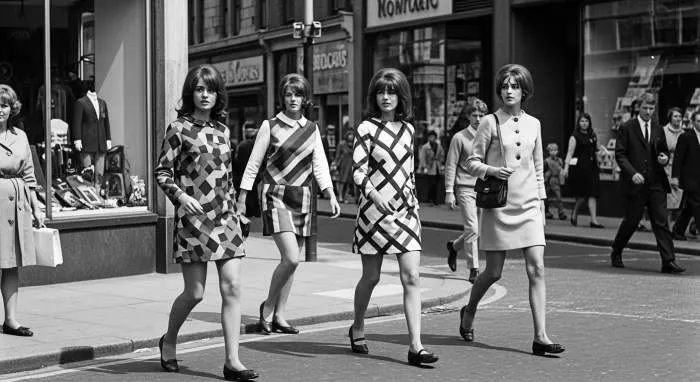
Oh man, the list is long and totally fab! Iconic beauties like Twiggy, with her pixie cut and doll-like eyes, became the face of Mod. Then there was the stunning Jean Shrimpton, often called 'The Shrimp,' whose elegance made the mini dress look effortlessly cool. Don't forget the musical queens like Nancy Sinatra, who strutted in her go-go boots, and the British invasion bands' girlfriends, all sporting that geometric, eye-popping style. These stars weren't just wearing clothes; they were embodying an entire cultural revolution.
The Mod look wasn't just for the runway or the silver screen; it quickly hit the streets, man. Young people everywhere, from London to L.A., embraced the vibrant, often geometric prints and clean lines. This was a time when individual expression really started to take hold, moving away from uniform dressing. While flappers of the 1920s favored deep lipstick colors, the Mod era often favored pale, frosted, or even white lip shades, totally a different vibe.
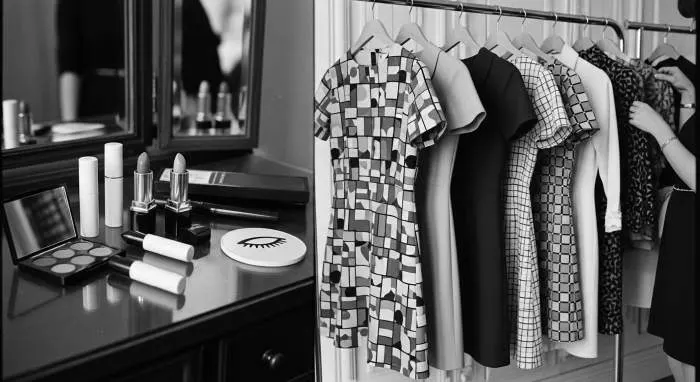
Enduring Legacy of the Mod Mini Dress in Fashion History
The swinging sixties, man, what a trip! That mod mini dress wasn't just a fleeting trend; it was a seismic shift, blasting off from the runways and landing squarely in the hearts of a generation ready to groove. It truly etched itself into the fabric of fashion history, a real game-changer. Think about it: the mod look completely broke from the more structured, often conservative lines of the 1940s, as seen in 1940s fashion. It was all about youth, liberation, and a bold new silhouette that screamed "future."
Decades have rolled by, but the spirit of the mod mini dress just keeps on bopping. It's like a classic vinyl record you just can't stop spinning, always fresh, always making you want to move. The clean lines and graphic punch are simply timeless. It's not just about nostalgia; it's about a design philosophy that truly works. The geometric prints and simple shapes are universally flattering, giving anyone who dons them an instant shot of confidence and panache.
You bet your boots it is, daddy-o! The mod mini dress, with its bold patterns and playful silhouette, remains a powerhouse of style in the modern era. Fashionistas and trendsetters regularly pull inspiration from this iconic period, proving its enduring appeal. Today, it's all about mixing and matching, giving that vintage vibe a fresh, contemporary twist. It's not just good; it's spectacular, a true testament to its original revolutionary spirit.
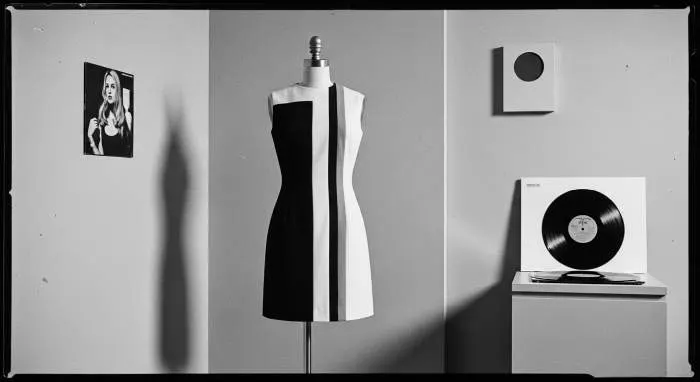
What started as a counter-culture explosion in London quickly became a global phenomenon. The energy of Carnaby Street and the King's Road seeped into every corner of the globe, influencing everything from music to art. The mini dress was the uniform of this revolution. It proved that fashion could be accessible, fun, and a powerful statement all at once. This democratic approach to style resonated deeply then, and it continues to inspire designers and everyday fashion lovers to this very day.
The mod mini dress, paired with those sassy go-go boots, represents more than just an outfit; it's a whole attitude. It's about seizing the day, being bold, and having a blast while looking absolutely fabulous. This powerful combination of style and spirit ensures its place in the fashion hall of fame, a true monument to self-expression that keeps on inspiring new generations to find their own groove. It's a legacy that's truly out of sight!
Why are mod mini dresses so popular
The mod mini dress exploded in 1960s London partly because of a changing social landscape: the postwar baby boom created a massive youth culture that wanted its own identity, and the mini's clean, geometric lines perfectly captured the era's optimism and space-age fascination. It also gained traction thanks to the Beatles' endorsement and the rise of Carnaby Street as a global fashion hub.