
You have probably heard that buying a fake vinyl record means getting a shoddy bootleg from a guy in a market stall. That story is as fake as the records themselves.
The reality is far more sophisticated and damaging. This isn't about obscure punk demos; it's about Taylor Swift, Coldplay, and Kendrick Lamar. It's about a fully operational manufacturing plant hidden in a warehouse, vintage presses churning out forgeries that can sell for a thousand pounds apiece. This is fraud on an industrial scale, cashing in directly on our collective nostalgia.
The Underground Pressing Plant
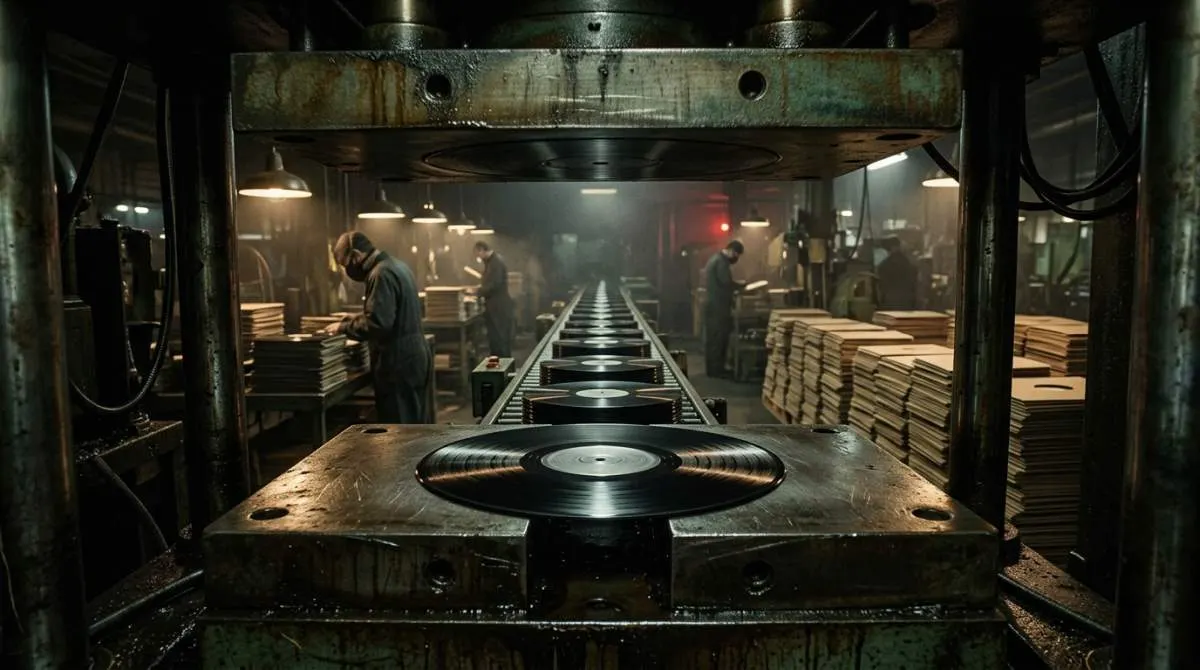
When police raided a warehouse in 2024, they uncovered a secret factory. Inside were four vintage vinyl presses in a fully operational underground plant. This was a production line. The operation required significant technical expertise; mastering the precise heat, pressure, and timing of vintage presses like the German-made Toolex Alpha or the American Stokes machines is a specialized skill.
The scale was staggering. Officers seized 15,000 counterfeit LPs spanning 108 different artists. The operation, run by Rehan Ahmed through fronts called Phoenix of Vinyl and Paragon Music, had generated profits of £2.7 million. He was sentenced to prison in September 2026 for running the UK's largest-ever counterfeit vinyl operation.
This industrial approach mirrors a historical shift in music piracy. In the 1970s, bootlegging was often an anarchic, fan-driven endeavour to release unofficial live recordings. The modern counterfeit operation is purely profit-driven, exploiting the same supply chain bottlenecks that have plagued the legitimate vinyl industry since its resurgence.
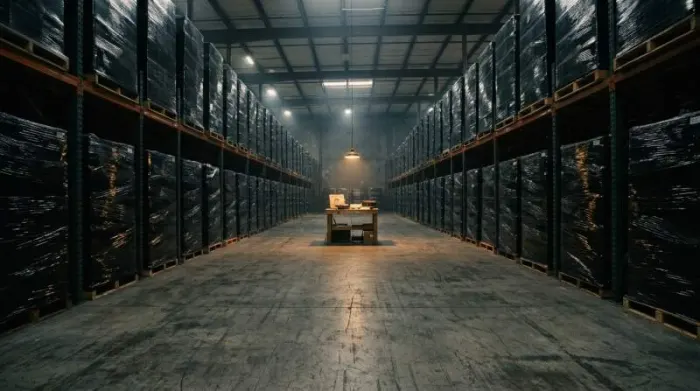
Ahmed's case is the starkest example, but he wasn't the first. Another major UK bootlegger, Richard Hutter, was raided in 2018 and had generated around £1.2 million. The model is clear: identify high-demand, often out-of-print titles from the biggest names, and manufacture them to order.
These operations often source blank vinyl pellets and cardboard sleeves through the same global suppliers used by legitimate plants, blurring the supply line and making detection harder.
Behind the Scene · Fictional Simulation
The Night Shift Lacquers
Marek, thirty-four, runs a lathe at a small record pressing plant in West London.
The pressing room smelled of hot PVC and old oil, and the extractor fan above the door kept up its flat, tired hum all night. I had the overhead lamp angled down over the lathe, the way I liked it, so the shavings curled off bright and thin like apple peel. The lacquers came in on a trolley just after two, blank sleeves, no labels, no run sheet, nothing but the grooves already cut. I held one up to the light and turned it slowly, and the whole room seemed to go quiet around it.
I asked the supervisor what we were pressing, and he said it didn't matter, the van was coming at six. He stood by the door with his coat still on, which he never did, and tapped his knuckles twice on the frame, and that was the whole conversation. I set the first disc down on the platter and lowered the stylus, and the music that came out was a woman's voice, unaccompanied, so close it felt like she was standing behind me in the dark.
A fictional scene written for this article — not a real account.
Why Your Favorite Record Is a Target
Vintage records are expensive due to high demand and artificial scarcity. Vinyl sales in the UK rose for a 17th consecutive year in 2024, with 6.7 million units sold. That's a £146 million market.
This revival is rooted in a cultural pushback against digital intangibility, similar to the appeal of modernizing vintage clothes. The album artwork, liner notes, and ritual of playing a record represent a deliberate, slower form of consumption that streaming cannot replicate.
Collectors drive prices sky-high for special editions or records that labels have let go out of print. This creates a perfect vacuum for criminals to exploit.
The Rehan Ahmed case specifically mentions counterfeits of records by Taylor Swift, Ed Sheeran, The Beatles, and Coldplay. The choice of The Beatles is particularly telling, connecting the current boom to the original vinyl era. A first pressing of The Beatles' "White Album" with a low serial number can command five figures.
These are the artists with the most fervent fanbases, the ones whose "limited edition" releases sell out in minutes online. When a genuine copy of a rare variant might fetch hundreds on the secondary market, a convincing fake sold for £1,000 represents pure profit for the forgers.
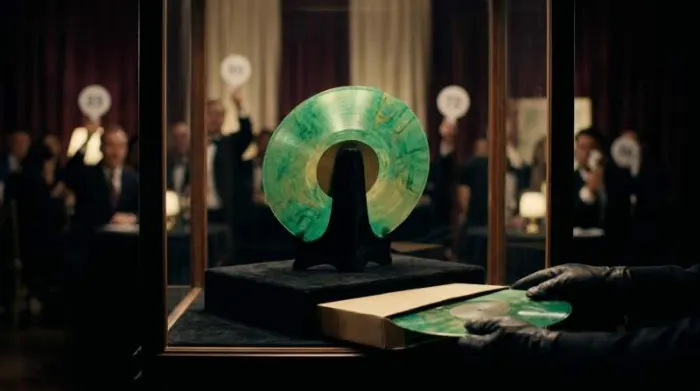
The phenomenon also targets specific, high-value genres. Original pressings of classic 1990s hip-hop albums by artists like Notorious B.I.G. or Wu-Tang Clan are notoriously expensive and frequently counterfeited, as are sought-after electronic records from the early rave era.
Spotting the Spin and Why It Matters
Counterfeit vinyl is a significant and growing threat. First, it directly deprives artists, songwriters, and legitimate labels of royalties. Second, it erodes consumer confidence in the entire market.
Plot Twist
- The wrong story is that fake vinyl is a small-time grift for niche collectors.
- The real story is a multi-million pound criminal enterprise with its own factory, targeting the world's biggest pop stars.
Furthermore, it harms the legitimate independent pressing plants struggling to meet demand, as counterfeiters siphon off both customers and raw materials. The industry is fighting back. The British Phonographic Industry (BPI) delisted approximately £26 million worth of fake vinyl from digital platforms between 2020 and 2024.
Organisations like the BPI and the Recording Industry Association of America (RIAA) now employ dedicated anti-counterfeiting units that use forensic analysis, comparing printing techniques, vinyl composition, and even the specific wear patterns on mastering lathes to identify fakes. So, how can you spot a fake vinyl record?
- Key Targets: The biggest pop stars like Taylor Swift and classic acts like The Beatles are prime targets due to high demand.
- Industrial Scale: Operations can involve secret factories with vintage presses, generating millions in profit.
- Market Impact: Counterfeiting deprives artists of royalties and harms legitimate pressing plants.
- Detection Methods: Forensic analysis of printing, vinyl composition, and matrix etchings helps identify fakes.
- Scrutinize the production quality: blurry artwork, poorly printed barcodes, or missing catalogue numbers are red flags. Genuine sleeves often use specific, high-quality card stocks and printing processes like spot-gloss varnish or embossing that are costly to replicate.
- Be wary of "new" records that aren't shrink-wrapped, especially from private sellers with multiple copies of rare titles. Authentic modern releases use tight, clean shrink-wrap with a seam, while counterfeiters often use looser, polypropylene bags.
- Check the run-out groove area; authentic matrix etchings are precise, and they shouldn't contain the full artist or album name in plain text. These etchings, often called "matrix numbers," are hand-stamped by the mastering engineer and contain unique identifiers for the pressing plant and lacquer cut. Inconsistent or too-perfect lettering is a giveaway.
- Cross-reference on databases like Discogs, which will often mark an item as "unofficial." The community notes on such entries are invaluable, detailing specific flaws in counterfeit versions.
- If the price seems too good to be true for a highly sought-after record, it almost certainly is. Compare prices across reputable dealers to establish a realistic market value.
- Listen critically. Counterfeit records are often made from inferior vinyl compounds or from digital files sourced from CDs, resulting in a lack of dynamic range, surface noise inconsistent with the era, or an overall thin, compressed sound.
This matters because it's more than just lost money. A vinyl record is a physical token of a musical moment. When that token is a lie, it corrupts the very nostalgia we're paying for.
The boom was built on a promise of authenticity, a tangible connection to the music. The fakes threaten to turn that promise into just another scam. For historians and archivists, widespread counterfeiting muddies the cultural record, potentially introducing forgeries into library collections and the historical marketplace.

The era of the lone bootlegger is over. We're now in the age of the fake vinyl empire, where nostalgia isn't just a feeling-it's a balance sheet. And as long as the presses are rolling somewhere, it's a story every collector needs to hear.
Who invented the process for making fake vinyl records look real?
The man behind it was Jack Morrison, a retired audio engineer from Ohio who figured out how to repurpose old pressing molds and mimic vintage label textures. His clever trick was applying a heated roller to flatten the edges, giving counterfeits that worn-in feel collectors adored without the need for actual aging.