What Made 1990s Chat Rooms Feel So Dangerous and Free
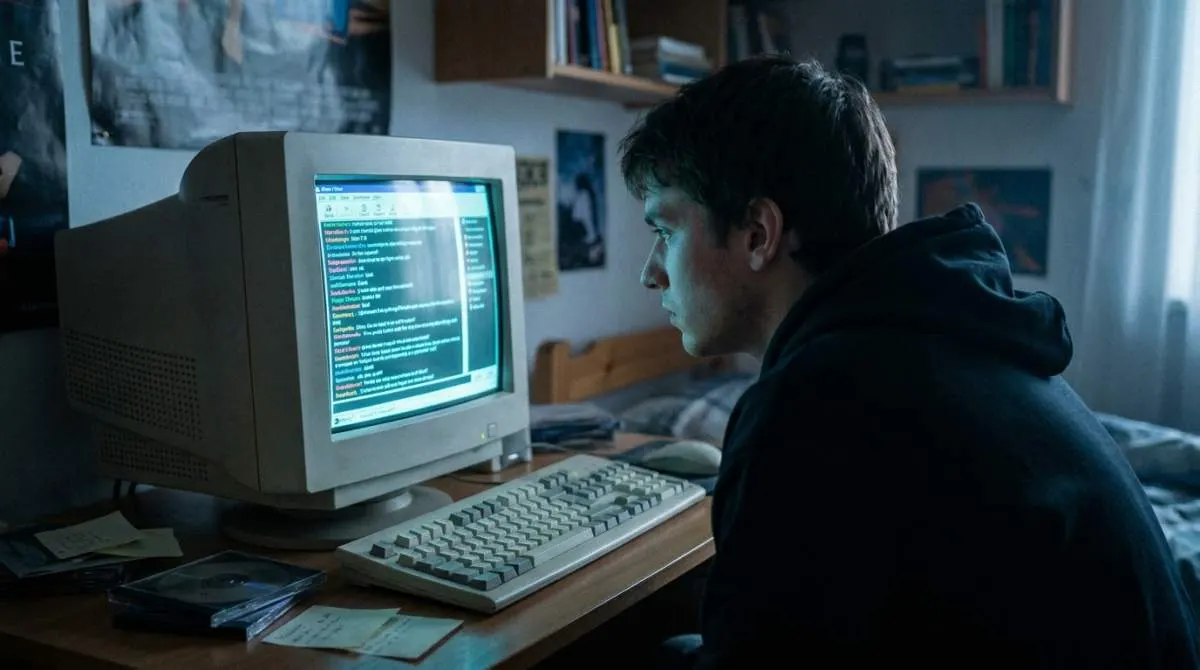
The early internet wasn't built for safety; it was built for connection, and that connection felt like a rebellion. Dialing up through your modem in the mid-1990s was stepping into a genuine frontier. Chat rooms were the heart of it, AOL, CompuServe, and smaller services hosted thousands of them, each a digital room where strangers gathered under nicknames. The universal handshake was always the same:A/S/L Age, Sex, Location. That three-letter code opened the door to a new world of digital identity.
The dial-up connection itself was part of the experience. That screech and hiss as your modem negotiated, the way the screen would freeze if someone picked up the phone, the knowledge that you were paying by the minute, it all added to the sense that you were doing something illicit.
Street culture borrowed straight from the chat room aesthetic. Baggy cargo pants, silver chain wallets, and black boots became the uniform for anyone who grew up online. The style was loud, messy, and didn't fit into any neat category. It screamed defiance.
Chunky skate shoes from Vans, pixelated font T-shirts from Hot Topic, rave flyers with ASCII art borders, magazine spreads in Wired using green-on-black graphics, the look was everywhere. The 1995 film Hackers made it iconic.
That movie,Hackers, became a how-to guide for suburban rebellion. It showed the style, the slang, the music, and sold that lawless vibe to every mall in America. The film's portrayal of hackers as stylish outsiders gave the online aesthetic a cultural permission slip.
This isn't a museum piece. It's a ghost that still haunts pop culture. Every time a show flashes a green terminal or a song samples a modem sound, that old lawlessness winks at us. The reason is simple: that 1990s online aesthetic represented a moment when the internet felt genuinely new, uncontrolled, and yours. You weren't being sold to or tracked. You were just talking to strangers who got it.
AOL Instant Messenger, launched in 1996, perfected the ritual. AIM made one-on-one messaging feel intimate and urgent. You could see when someone was online, watch them type, or add them to your buddy list, a ranked hierarchy of digital friendship that felt like social currency. The away message became its own art form, with lyrics, inside jokes, or cryptic statements that friends would decode. It was a way to leave a piece of yourself behind, a digital ghost that kept the conversation going.
Dial-up connections cost money, both the monthly service fee and per-minute charges. This created scarcity. You couldn't scroll endlessly; you had to be intentional. That scarcity made every connection feel more valuable. It also created a digital divide. Kids with internet access in their bedrooms were part of a club. Kids without access were left out. This shaped digital literacy for a generation.
Modern Revival: How Discord Became the New 1990s Chat Room
The most natural echo of those lawless 1990s chat rooms is living inside your phone. Open Discord on any given night, and you'll see the same raw, tribal energy that made AOL chat rooms feel dangerous. The difference is that now, the wild west has been branded and organized into servers. But the spirit is exactly the same.
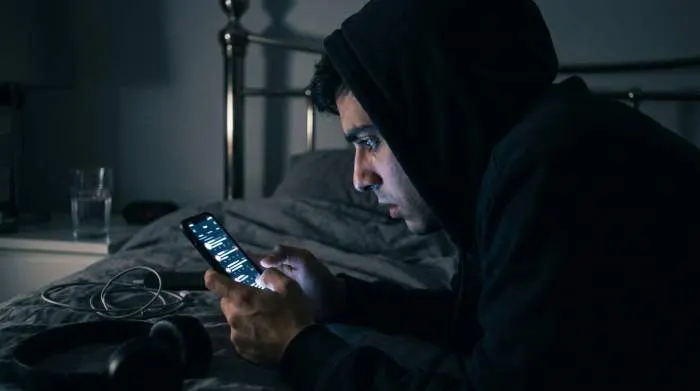
People still crave instant, anonymous connection. They still want to speak a coded language only their group understands. The A/S/L ritual has evolved. Today, you ask for a server invite and a role assignment. It's a velvet rope instead of a digital alley, but the thrill of entering a private space hasn't changed.
The logic of the old chat room survives because it solves a modern kind of loneliness. A private server is a secret handshake, the digital equivalent of a clubhouse with a broken lock. You feel like a trespasser, even when invited.
The emotional payoff is the same. In the 1990s, the web felt ungoverned. That raw, slightly dangerous feeling is now replicated inside niche servers. People create their own slang, rules, and justice. The biggest modern platforms hate it. They want you scrolling algorithmically, not hiding in a private room. But the human need for a secret space is stronger than any feed. The wild west isn't dead. It just got a better password.
The 1990s internet was built on a simple premise: you could be anyone. Your real name, appearance, and social status didn't matter. What mattered was what you said. This created freedom. A shy kid could become confident. A closeted teenager could explore their identity. But anonymity also meant danger. Predators could hide. Trust was a gamble. The phrase "on the internet, nobody knows you're a dog" (from a 1993 New Yorker cartoon) captured the absurdity and risk.
Before the internet, community was geographic. The internet shattered that model. You could find people who shared your interests, identity, or secrets, no matter where they lived. A kid obsessed with an obscure band could find other fans. A person with a rare condition could find support. This was revolutionary. It meant you didn't have to be alone with your weirdness. The internet became a place where identity was performed and constantly reinvented.
Why the 1990s Internet Still Matters Today
The 1990s internet was a moment when the technology was new enough to feel transgressive but old enough that people had figured out how to use it. It was before the internet became a tool for surveillance and profit. That moment is gone. The internet today is faster, more connected, and more useful, but also more controlled, tracked, and commercialized. The hunger for that old feeling of freedom, anonymity, and community without gatekeepers never went away. That's why Discord thrives. That's why the aesthetic keeps coming back in fashion, film, and music.
We're not nostalgic for the slow dial-up or clunky interfaces. We're nostalgic for the feeling of possibility, for a time when the internet felt like it belonged to us, not to corporations.
Did you know? The 1999 film The Matrix is the clearest example: its green code, trench coats, and nameless hackers were pure AOL chat room energy. The Wachowskis even hired a real hacker to design the iconic digital rain. This cultural moment was part of the broader Y2K-era tech anxiety and cyber-culture that defined the turn of the millennium.
What did asl mean in 90s chat rooms
Before A/S/L became a digital handshake, it was a practical shortcut born from early bulletin board systems (BBS) in the 1980s. Users typed it to quickly gauge who they were talking to, since text-only interfaces offered no visual clues. The ritual was so ingrained that it even inspired a 1997 song by the band The Folk Implosion, titled "A/S/L."