The Whispered Secret: A Double Jack's Intimate Design
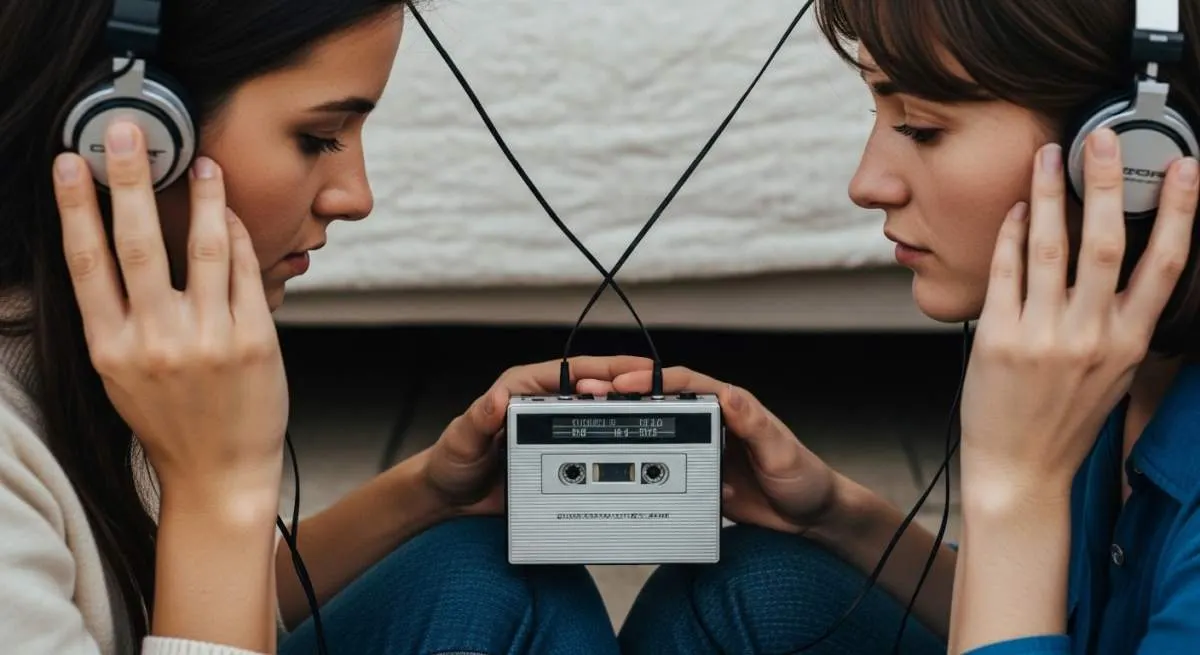
This dual design was subtle yet powerful. It allowed two people to tune into the same cassette. They could share the same sonic journey. It fostered unique intimacy. Friends huddled close. Couples shared quiet moments. All over a mixtape [1].
How the Walkman's HotLine Button Enabled Shared Listening
But the real secret went deeper. Beyond two jacks, a special button existed. It was often bright yellow, calling attention [2].
This was the legendary "HotLine" button. It set the Walkman apart.
Pressing the HotLine button activated a microphone. It lowered the music volume slightly. It let listeners talk. They didn't need to shout. They didn't need to pull out an earbud. It was a brilliant, thoughtful touch [3].
This ingenious feature transformed shared listening. It turned silent listening into dialogue. You could whisper secrets.
You could comment on a lyric. It allowed uninterrupted conversation. It was revolutionary for its time.
The HotLine was a quiet invitation. It enabled discreet, shared moments. It turned private sound into a shared secret. That tiny button created memories. It still evokes smiles, recalling shared tunes.
Think about how that button changed the shape of an afternoon. Two people could share a bench, share a tape, and still hold a conversation. Nobody had to choose between the music and the company. That choice used to be the whole problem.
The Legacy of Shared Sound: A Cultural Touchstone
The original Walkman did more than just play tapes. It sparked a revolution in shared sound. That simple second headphone jack became a cultural touchstone, shaping a generation's idea of connection. Young people suddenly had a personal soundtrack for two.
Film and television picked up on this trend, showing couples sharing earbuds and leaning close. This created iconic, intimate romantic scenes in 80s rom-coms and classic teen dramas. The Walkman became visual shorthand for connection, a simple prop that spoke volumes about closeness.
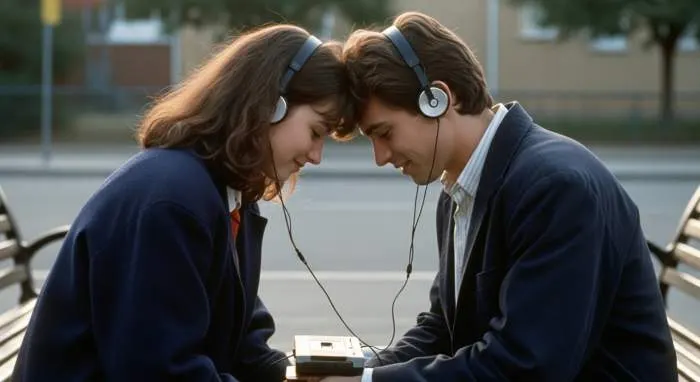
Street culture buzzed with shared sound. Friends walked, one headphone each, swaying to the beat. It was a stylish way to share the music and create a fleeting, intimate connection. Magazines showcased this trend, highlighting the Walkman as a must-have accessory long before AirPods existed.
Celebrities embraced the Walkman's cool factor. Musicians were often seen with them, and two stars sharing music projected a relatable vibe. This cemented its place in pop culture history, proving the dual jack was effortlessly cool.
Other companies watched Sony's success, and many portable cassette players soon featured dual jacks in an attempt to capture that magic. But the Walkman owned the cultural narrative. It proved private listening could be a shared experience.
The shared jack's influence lingers today. It reminds us of a simpler, connected time when music wasn't about isolation. Instead, it created a shared moment, and that legacy of togetherness remains powerful. It fundamentally changed how we listened.
The Social Button
- Everyone remembers the Walkman's HotLine button as a clever feature for whispering sweet nothings to your crush while sharing a mixtape.
- Actually, the HotLine button was added because Sony's chairman feared the Walkman would be seen as rude and anti-social, a feature most users completely ignored, which is why it was dropped within two years.
Source: en.wikipedia.org
Look closely at photos from the era and you will spot it everywhere: the cord stretched between two jackets on a park bench, the slight lean inward on a bus seat. Those small postures were the technology doing its quiet work.
The Sony Walkman is not just a dusty memory. It is finding its beat again. This tiny tape player offers analog charm, pushes back against our wireless isolation, and invites real connection. That old double jack is key.
Many new indie artists release albums on tape, which makes finding new music easy to share. Then you plug in two sets of headphones, and suddenly a shared moment unfolds.
Source a working model from thrift stores or online sellers. Stock up on blank tapes for recording your own mixtapes. Pair it with chunky, wired headphones for true aesthetic cool. Use it for focused, distraction-free listening sessions. Share a favorite new album or podcast with a friend.
It's a statement piece today. Sling a vintage Walkman over your shoulder; it pairs perfectly with oversized denim jackets. Or clip it to your belt loop for an instant retro vibe.
People notice its physical presence. It sparks curiosity and conversation. A stranger will ask about it at a crosswalk. A cashier will mention the tapes their parents kept. The player starts conversations the way a dog starts conversations, only with better taste in music. Half the time the question is not even about the music. It is about the ritual of pressing play together.
This simple act feels radical today. We are so used to solitary listening. But sharing music builds an instant bridge. One tape, two listeners, zero screens.
It creates a special intimacy. You physically lean in closer. Then you experience the sound together.
Perhaps it's the tactile nature of tapes, or listening's intentionality. Each cassette demands a full play-through, so there is no skipping around freely. This slower pace feels refreshing. It pulls us back to simple joys and reminds us of genuine connection. That is a rare thing for any gadget to pull off.
It worked for roommates during study nights, for couples squeezed into a diner booth, for friends killing time on a curb. The habit looked small from the outside. From the inside it felt like a pact. You did not just hear the same song; you agreed to stay for the whole album.
So, dust off that old silver box. Plug in some good tunes. Find a friend to share the moment.
The Walkman's double jack invites togetherness. It's a beautiful way to revisit the past. It also makes new memories.
The era's fashion reflected this new mix: big hair and acid wash jeans paired with the quiet intimacy of shared earbuds, a style that screamed individuality while secretly craving connection.
What was the hotline button on the Walkman
The HotLine button was a clever workaround for a technical limitation: early Walkman models had no built-in microphone, so pressing it activated a tiny external mic that let you chat without pausing the tape. This feature was inspired by intercom systems used in 1970s office buildings, where a single button could open a line of communication without disrupting workflow. It turned a solo gadget into a social tool, long before Bluetooth earbuds made sharing seamless.
Sources
- [1] SONY TPS-L2 - The Walkman Archive
- [2] The day music went mobile: the engineering behind the Sony Walkman
- [3] When Sony shipped the first Walkman in 1979, chairman Akio Morita insisted on a second headphone jack and a "hotline" talk button, convinced it would be rude for one person to listen to music alone — and within a few years buyers had ignored the sociable features so completely that Sony quietly dropped them - Make Tech Easier
Bracketed numbers in the text (e.g. [1]) refer to the sources listed here.