Rewind to Rad: The 80s Cassette Culture Scene
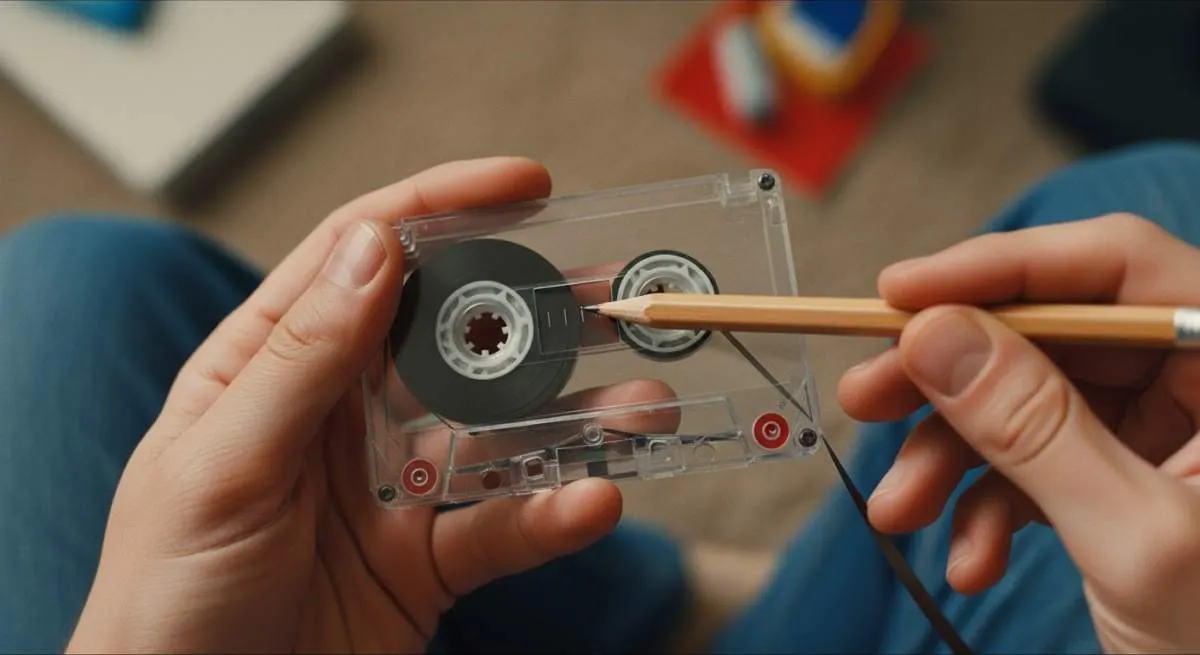
Back in the day, knowing how to use a pencil on a cassette was practically a rite of passage. It kept our tapes alive way longer than they had any right to be, and honestly, it was a pretty clever fix. There was something so satisfying about that little workaround, it felt like you'd outsmarted the universe [1].
It proved that the best solutions are often the simplest ones. And yeah, it was deeply satisfying every single time. Plus, it gave you this quiet sense of self-reliance, like you could handle anything [2].
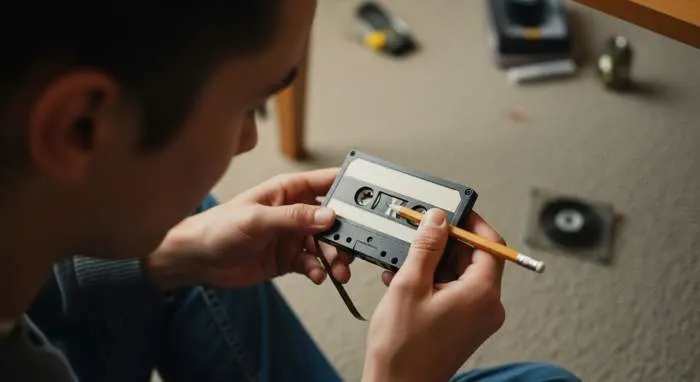
That design choice put the power in our hands. No need to hunt down a repair shop, just grab a pencil from your backpack. A school supply became a music-saving hero.
It was a subtle nod to user agency, this small hidden detail that saved us from musical despair. It kept those mixtapes spinning when all hope seemed lost.
Rewound and Remembered: The Pencil's Enduring Pop Culture Groove
That humble pencil trick was more than just a quick fix, it truly carved itself into our collective memory. This simple act became shorthand for growing up in the 80s and 90s. Every time a tape deck started eating a cassette, there was an easy solution, all thanks to a common writing tool.
It showed up everywhere. Filmmakers would have characters winding tapes, and it instantly set the scene. A quick visual cue that screamed 'this is the 80s.'
TV shows used it for nostalgic effect too. That pencil meant instant recognition for anyone who lived through it. You didn't need to explain, you just knew.
The pencil's legacy lives on in all sorts of ways:
- Quick cameos in retro-themed music videos.
- Nods in indie films set in the 80s.
- Articles in nostalgia magazines about lost technology.
- TikTok trends where people show off "vintage hacks."
This simple action turned into a beloved symbol. It represents a time when solutions were practical and hands-on fun was the norm.
It wasn't about glamour or grand gestures, this was pure street-level ingenuity. Kids everywhere perfected the art of tape rewinding with whatever was handy.
It showed a different kind of cleverness. This everyday hack proved more enduring than any fleeting trend, and it stuck with us.
People's reactions were always positive. Sharing pencil stories was a joy, it sparked conversations about music, friendships, and the good old days.
That little pencil became a bonding moment. It connected generations through shared experience and kept the spirit of DIY alive.

Even now, it symbolizes resourcefulness. It stands for an era before instant digital fixes, when you had to physically engage with your music. You were part of the process.
That pencil was a quiet, practical hero. It reminds us of a simpler, more tactile time, and honestly, that's something worth holding onto.
Analog Instincts in a Digital Age: Our Inner Tape Winders
The pencil trick might seem a bit quaint now, especially when we live in a world of endless streaming. But that resourceful spirit still echoes in how we solve problems today, it endures, even if the tools have changed.
Behind the Scene · Fictional Simulation
The Mixtape Rescue
Danny, a teenage repair apprentice at a small electronics shop, spends his after-school hours in the year 1987 coaxing broken machines back to life.
The shop smelled of solder and old cardboard, and the fluorescent tube above the bench flickered like it was thinking about quitting. I had the cassette deck open on the mat, its guts exposed, and the customer's mixtape wedged somewhere deep in the mechanism. The pencil I'd grabbed from the cup by the till was too thick to fit the spool hole. I could hear the clock ticking toward closing, and the owner's keys would be jangling in the lock before I knew it.
Then I spotted the slim yellow pencil lying under a stack of repair manuals, the one with tooth marks on the end from somebody's dog. It slid into the spool perfectly. I wound the tape back with slow, even turns, feeling the ribbon tighten, and the deck clicked open with a soft pop. The label was smudged but readable: a name, a heart, a song title. I set the cassette on the counter and waited for the bell above the door.
A fictional scene written for this article — not a real account.
It shows up in surprising ways. People still crave a sense of agency over their tech, even when everything is digital.
Think about the sheer volume of digital media we deal with. It can feel overwhelming, like a tangled mess of files and folders. We don't unspool physical tapes anymore, but we face digital equivalents all the time.
Glitches, broken links, corrupted files, it all feels familiar. That old frustration still hits the same way.
How Modern DIY Debuggers Echo the Pencil Fix Mindset
The impulse to fix things remains strong. Just look at online communities where people share obscure tech hacks. They'll spend hours troubleshooting old software or restoring vintage game consoles. And it's not just about nostalgia, it's about understanding how things work and taking control.
Take gamers who revive abandoned titles: they create patches and fan servers, breathing new life into lost digital art. It's exactly like saving a beloved mixtape, you refuse to let it disappear, you fight to keep the good times alive.
That same drive fuels the open-source movement. Developers freely share their code, building and fixing together in a collaborative spirit. It echoes the shared knowledge of the 80s, when everyone knew the pencil fix. Now they share digital wisdom instead.
Crafting Connection Through Code and Collectibles
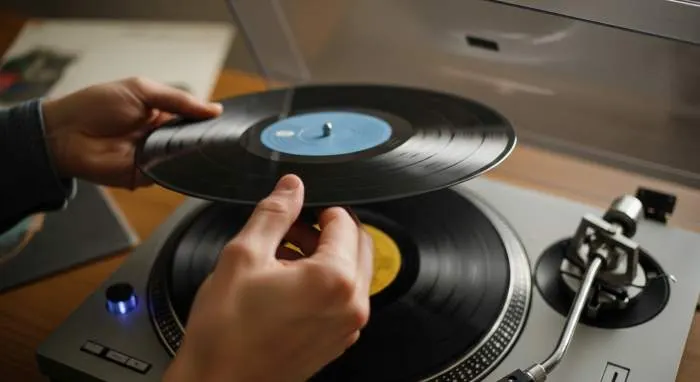
The tactile pleasure also found a new home. Vinyl records made a huge comeback, and people love the physical interaction, carefully handling their albums, bringing a sense of ceremony to the experience. It's more than just listening, it's a ritual.
Even in the digital world, we have our own collectibles. Curated playlists are deeply personal, telling unique stories. People obsess over their digital libraries, organizing and tagging everything. It's about building a meaningful collection, echoing the personal touch of a mixtape.
Even glitch art celebrates imperfection. Artists intentionally create digital errors, finding beauty in brokenness. It mirrors the worn aesthetic of old tapes, scratches and static were part of the charm, adding character to the sound. The journey itself became valuable.
So the 'pencil fix' lives on, not just as a tool but as a mindset. It's about clever resourcefulness, about fighting for what you love. Our analog instincts still guide our digital lives, we are all tape-winders at heart.
Did you know? It was a common, shared ritual that crossed every social circle: from the cool kid with a boombox to the quiet one with a Walkman, everyone knew the pencil trick. It often sparked conversations and friendships over a rescued mixtape.
Why did people use pencils to rewind cassette tapes?
Before the pencil became the go-to tool, many kids used their fingers, but that was slow and left smudges on the tape. The pencil's hexagonal shape fit perfectly into the cassette's spools, making it a natural and effective tool. This hack was so widespread that it became a cultural touchstone, even appearing in movies and TV shows as a shorthand for the era.