
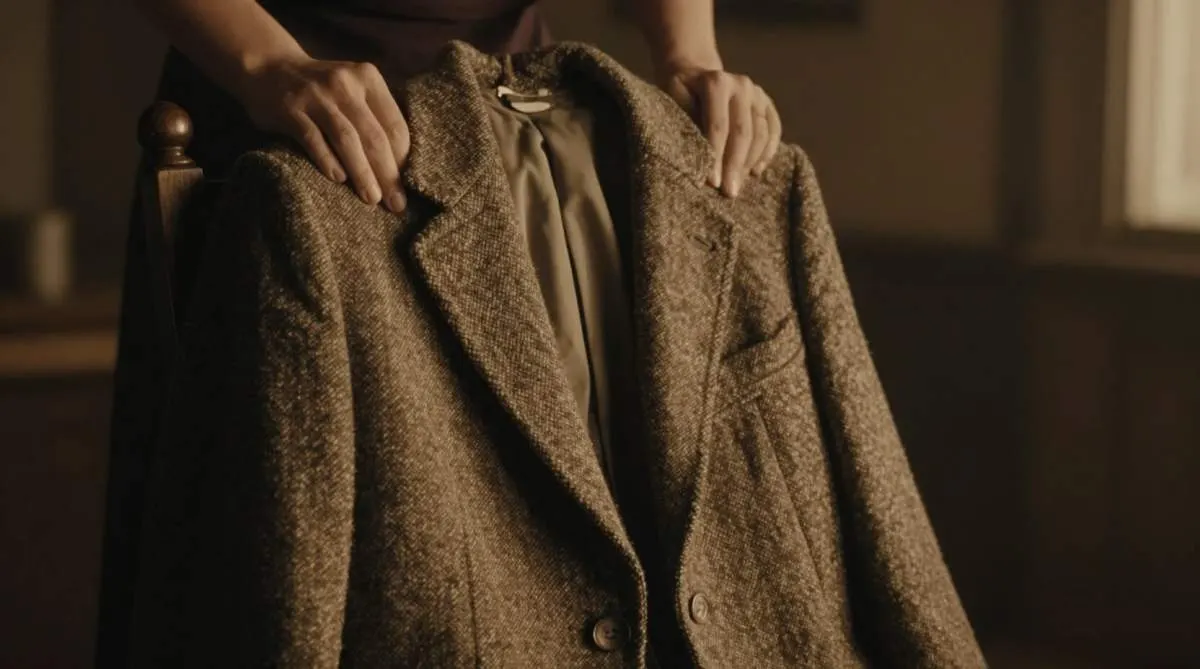
The coarse, practical fabric got a whole new life. Chanel had it woven with silk threads and metallic flecks, turning a farmer's cloth into a luxury item that evoked both Scottish moors and Parisian salons. That's how Chanel took men's hunting jackets and turned them into something refined, elegant, and unmistakably feminine.
How Chanel Changed Women's Wardrobes Forever
When Coco Chanel first turned her attention to tweed, she wasn't just making a new outfit; she was breaking the rules of what a woman's wardrobe could be. The fabric had never been considered elegant, yet Chanel saw something the fashion world had missed.
Sure, it was beautiful, but not exactly practical for everyday life. Women were driving cars, playing sports, and joining the workforce. They needed clothes that moved with them, not against them.
The tweed suit was the answer. It offered freedom of movement, a relaxed fit, and an understated elegance that was brand new for women's fashion at the time. The Chanel tweeds became an instant classic, and even today the tweed Chanel produces each season remains the house's most iconic silhouette.
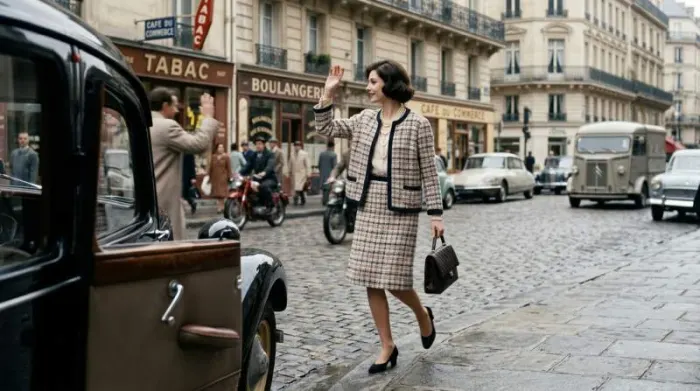
It showed that a woman could be powerful and comfortable, chic and practical all at once. The Chanel tweed suit became a uniform for the modern woman, worn by everyone from socialites to working professionals. It wasn't just clothing; it was a statement of independence.
That initial spark of inspiration still lives on in every tweed jacket worn today. It's a testament to Chanel's vision that a working fabric could become the uniform of modern, confident women.
Why Was Tweed Considered a Working-Class Fabric?
Tweed comes from Scotland and Ireland, where it was handwoven from local wool for centuries. The name probably came from a misreading of the Scottish word "tweel" (twill) on an invoice, though legend links it to the River Tweed. Either way, the fabric was purely practical, worn by farmers, shepherds, and hunters to keep warm and dry in rough weather.
It was coarse, heavy, and water-resistant, perfect for outdoor work but not exactly fashionable. Men's hunting jackets and estate workers' coats were the usual tweed garments. It had no place in a lady's wardrobe until Chanel spotted its potential.
The Duke of Westminster, one of Britain's richest men, was an avid outdoorsman who wore tweed for shooting and country sports. Coco Chanel visited his Scottish estates in the 1920s and borrowed his jackets, finding them comfortable and freeing. She was struck by the contrast between his rugged tweeds and the restrictive silks and corsets women were expected to wear.
Chanel started wearing the Duke's jackets herself, then asked Scottish mills to make a softer, lighter version. She added silk lining, cut down the bulk, and tailored the fabric into a feminine shape. The result was a jacket that kept the texture and heritage of tweed but felt like pure luxury.
How Chanel Transformed Tweed Into Luxury
Chanel worked directly with Scottish weavers to create a tweed that was lighter and more flexible than the traditional stuff. She added silk threads, metallic flecks, and even blended wool with cotton or linen for extra softness and shine. The fabric kept its distinctive weave and earthy tones but took on a refined, almost jewel-like quality.
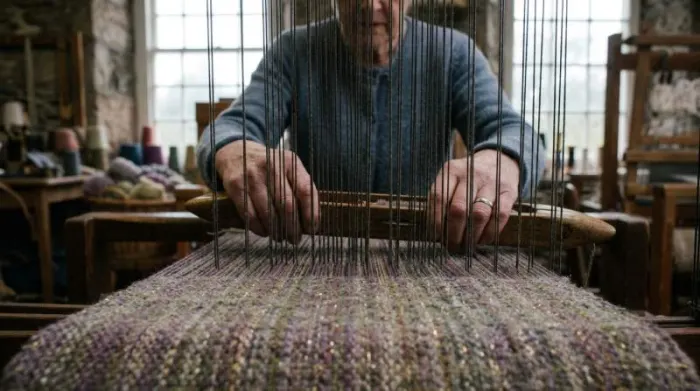
The jackets were lined with silk or chiffon, so they felt great against the skin. Chanel also added her signature details: gold buttons, braided trim, and four patch pockets. These touches turned a humble fabric into a couture statement.
The tweed suit arrived just as women were demanding more freedom in every part of life. The 1920s saw women voting, working, and socializing in public like never before. Chanel's suit gave them a look that was both professional and relaxed, letting them move easily from the office to an evening out.
It also rejected the corseted, hourglass shape that had ruled fashion for centuries. The boxy jacket and straight skirt gave women a new silhouette, one that prioritized practicality over decoration. It was a deliberate message: a woman's value wasn't in her waistline, but in what she did.
How the Tweed Jacket Spread Beyond the Runway
After Chanel brought the suit back in the 1950s following her return to fashion, it became a favorite among first ladies, actresses, and socialites. Jacqueline Kennedy famously wore a pink Chanel-style suit on the day President Kennedy was assassinated, which sealed its place in history. Stars like Grace Kelly and Audrey Hepburn also loved it for its elegant simplicity.
By the 1960s, the tweed jacket wasn't just a Chanel thing anymore; it was a widespread fashion staple. Department stores sold their own versions, and women everywhere embraced the look. It became a symbol of taste and sophistication, available at many price points.
Karl Lagerfeld took over Chanel in 1983 and wasted no time reviving the tweed jacket for a new generation. He kept the classic shape but added bold colors, oversized buttons, and playful touches like chain trim and the interlocking C logo. The jacket became a status symbol for the power-dressing era, worn by businesswomen and fashion insiders.
Lagerfeld also played with materials, mixing tweed with leather, denim, and even plastic. That kept the fabric fresh and relevant, showing that tweed could be both traditional and modern. The revival cemented the jacket as a timeless piece, not something stuck in the past.
Why the Chanel Tweed Jacket Still Matters Today
The Chanel tweed jacket is still a benchmark for quality and style because it strikes a perfect balance between structure and ease. You can dress it up with pearls and heels or wear it casually with jeans and sneakers. That kind of versatility is rare in fashion, and it keeps the jacket in constant demand.
Modern designers keep reinterpreting the tweed jacket, from high street brands to luxury houses. The fabric itself has become shorthand for a certain effortless chic, a look that says, 'I put thought into this, but I'm not trying too hard.' That's exactly the balance Chanel had in mind.
Almost every major fashion house has done their own take on the tweed jacket, from Yves Saint Laurent to Ralph Lauren. The concept of taking a humble, masculine fabric and turning it into a feminine icon inspired countless collections. Designers have borrowed Chanel's tricks, mixing textures, adding trim, and lining with unexpected fabrics.
The jacket also paved the way for other trends borrowed from menswear, like the blazer, the trouser suit, and the trench coat. Chanel showed that women could wear men's clothes and make them their own, a lesson that still resonates.
Coco Chanel's tweed jacket was more than a fashion innovation; it was a cultural shift. By taking a fabric from the Scottish moors and reimagining it for the modern woman, she created a garment that stood for freedom, comfort, and elegance. The jacket has outlasted wars, changing tastes, and countless trends, proving that true style never goes out of fashion.
Today, when you spot a tweed jacket in a shop window or on the street, you're seeing an echo of that original spark. It's a reminder that fashion can come from anywhere, even from a borrowed hunting jacket on a rainy Scottish estate. And that's why the Chanel tweed jacket is still an icon.