The Stage is Set: Washington, 1985
The mid-1980s were a time of vibrant contrasts. While neon fashion and synthesizer pop dominated the mainstream, a cultural storm was brewing. In 1985, a group of Washington wives, the Parents Music Resource Center (PMRC), took aim at what they saw as a corrupting force in American homes: rock and heavy metal music. Their solution was a push for warning labels on albums with explicit content, a move that would lead to one of the most dramatic culture clashes of the decade.
What began as a moral crusade quickly escalated into a full-blown Senate hearing. The PMRC, led by Tipper Gore, Susan Baker, and others, presented their case with a now-infamous "Filthy Fifteen" list of offending songs. They argued for a rating system similar to movies, believing parents needed protection from lyrics about sex, violence, and the occult. The music industry was summoned to Capitol Hill to defend itself, setting the scene for an unforgettable showdown [1].
The Defense Rests: A Rebel's Testimony
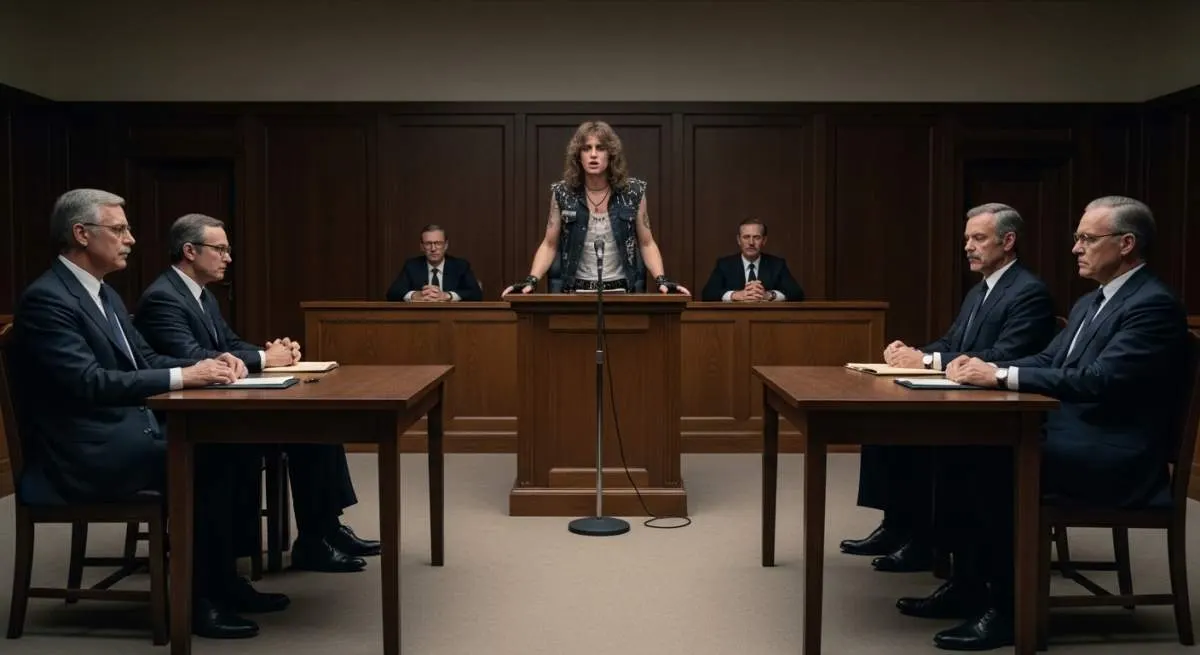
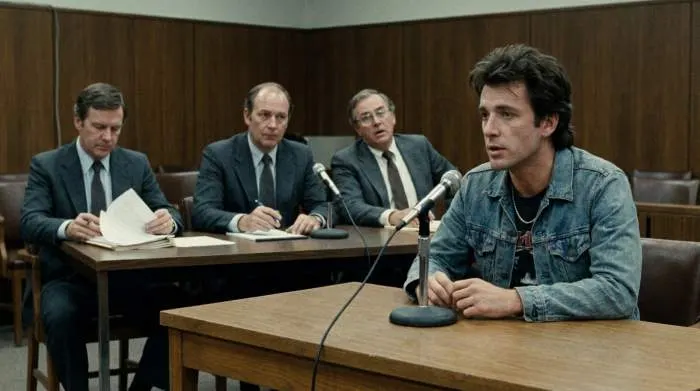
Among those called to testify was Dee Snider, the frontman of the heavy metal band Twisted Sister. The senators likely expected a cartoonish, unintelligible rock star, a stereotype Snider was prepared to shatter. He arrived not in stage leathers, but in a sharp, conservative suit, his long hair neatly tied back. His performance, as many observers noted, became the secret weapon the establishment never saw coming.
Snider’s testimony was a masterclass in quiet authority. He spoke eloquently and intelligently, dissecting the PMRC’s claims point by point. He defended his song "Under the Blade" against accusations of sadomasochism, explaining it was written about a band member's fear of surgery. He argued that the PMRC’s proposed censorship violated artistic freedom and parental rights, insisting that parents, not the government, should monitor what their children heard. In that moment, he proved heavy metal had brains to match its loud exterior [2].
The impact was immediate and profound. Snider transformed from a glam metal singer into an unlikely champion for free speech. His reasoned defiance resonated far beyond the hearing room, etching the event permanently into music history. While other artists like Frank Zappa and John Denver also testified powerfully, it was Snider’s poised rebellion that captured the public imagination and defined the fight.
The Unintended Legacy: A Badge of Honor
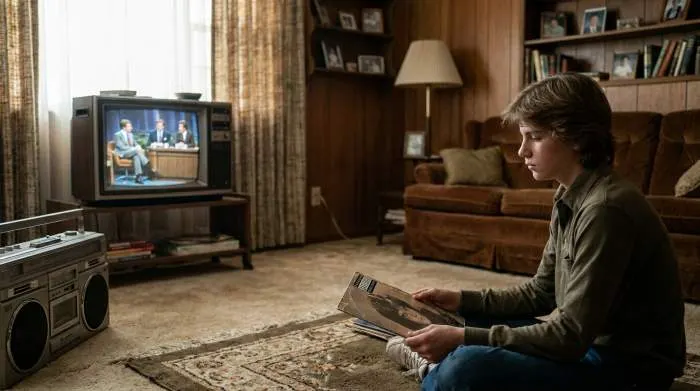
The PMRC hearings eventually faded from the headlines, but their impact was permanent and paradoxical. The push for censorship backfired spectacularly. Instead of suppressing the music, it stamped heavy metal and rap with an irresistible mystique. What was meant as a warning became a coveted badge of honor for an entire generation.
That little black and white "Parental Advisory: Explicit Lyrics" sticker, negotiated as a compromise between the recording industry and the PMRC, became rock's hottest accessory. Far from acting as a deterrent, it functioned as a magnet for curious teens. Record store clerks from the era love to tell stories of kids specifically hunting for the stickered albums, which often sold out faster than their "clean" counterparts. The controversy didn't silence artists; it gave them a powerful new symbol of rebellion.
Fueling the Counter-Culture Engine
The hearings injected new energy into street culture and independent music scenes. Band t-shirts became more than fan merchandise; they were acts of defiance worn proudly to school. Musicians leaned into their "bad-boy" images, knowing controversy could sell records. The PMRC’s fear of the mainstream unwittingly emboldened alternative and hip-hop scenes to push harder against established norms.
Mood Match
Four Songs for Four Moods
Pick the moment you are in, then let the song underneath do the rest of the work.
Standing your ground when told to back down
We're Not Gonna Take It by Twisted Sister
There is a stubborn joy in that chorus that arrives just when someone expects you to fold, and it never once asks permission.
Hitting the highway with the windows down
I Wanna Rock by Twisted Sister
It is built for open road and a heavy foot, all shout and no subtlety, which is precisely the point at seventy on a clear afternoon.
Getting ready to go out with friends
Dress You Up by Madonna
It turns the mirror and the mascara into a small ceremony, and by the second chorus you are already halfway out the door.
Dancing alone after a long week
She Bop by Cyndi Lauper
That bright, cheeky beat asks nothing of you except to move, which is exactly what a tired week deserves.
Play them loud, play them in order, and do not apologise for any of it.
Songs checked against en.wikipedia.org.
This period cemented the concept of "dangerous music" in the public consciousness and forced a national conversation about free speech. It also created a blueprint that would be revisited in future moral panics over video games and internet content. The era’s themes of censorship and artistic liberty became fertile ground for filmmakers and TV producers for years to come.

Modern Reverberations: The Spirit Lives On
While the specific debates of 1985 may seem like dusty history, the spirit of the PMRC clash still pulses through culture today. It’s evident in more than just explicit lyrics; it’s an attitude of owning one’s voice. In fashion, the band tee has evolved from a fan statement to a runway staple, carrying that counter-culture edge into the modern age. Ripped denim and leather jackets continue to whisper tales of protest.
The "Parental Advisory" sticker itself has been resurrected as an ironic, even proud, fashion statement. You’ll find it on phone cases, laptop stickers, and t-shirts, a subtle nod to past battles and a continued refusal to be censored. It signifies a timeless rebellion that each new generation discovers and makes its own.
New Battlegrounds, Same Fight
Today’s artists continue to push boundaries, but they wield new tools. Platforms like TikTok and independent streaming services have become their stage, allowing them to bypass traditional gatekeepers and share unfiltered expression directly with audiences. The fight for artistic freedom remains the same, only the battlefield has shifted to digital spaces.
Parental engagement has evolved as well. The conversation has largely moved away from government oversight toward media literacy and the use of parental controls. Families are encouraged to have thoughtful conversations about content, fostering critical thinking rather than relying on warning labels. This shift represents a more empowered, if complex, approach to navigating media.
The ultimate lesson of the PMRC hearings endures: attempts to suppress art often breed greater curiosity and inspire louder rebellion. The hearings made unexpected heroes out of musicians who stood up not just for themselves, but for the principle of artistic freedom for everyone. That defiant roar, first heard in a Washington hearing room, continues to reshape our cultural landscape, reminding us that the fight to speak loudly, and freely, is never truly over.
What was the filthy fifteen list
The Filthy Fifteen was a list of songs the PMRC deemed most offensive in 1985, targeting artists like Prince, Madonna, and Sheena Easton alongside metal acts. It included tracks like 'Darling Nikki' for sexual content and 'Possessed' by Venom for occult themes. This list sparked the Senate hearings but also united a diverse range of musicians against censorship.