
The Barf Bag Blueprint: A Messy Flight's Fashion Legacy
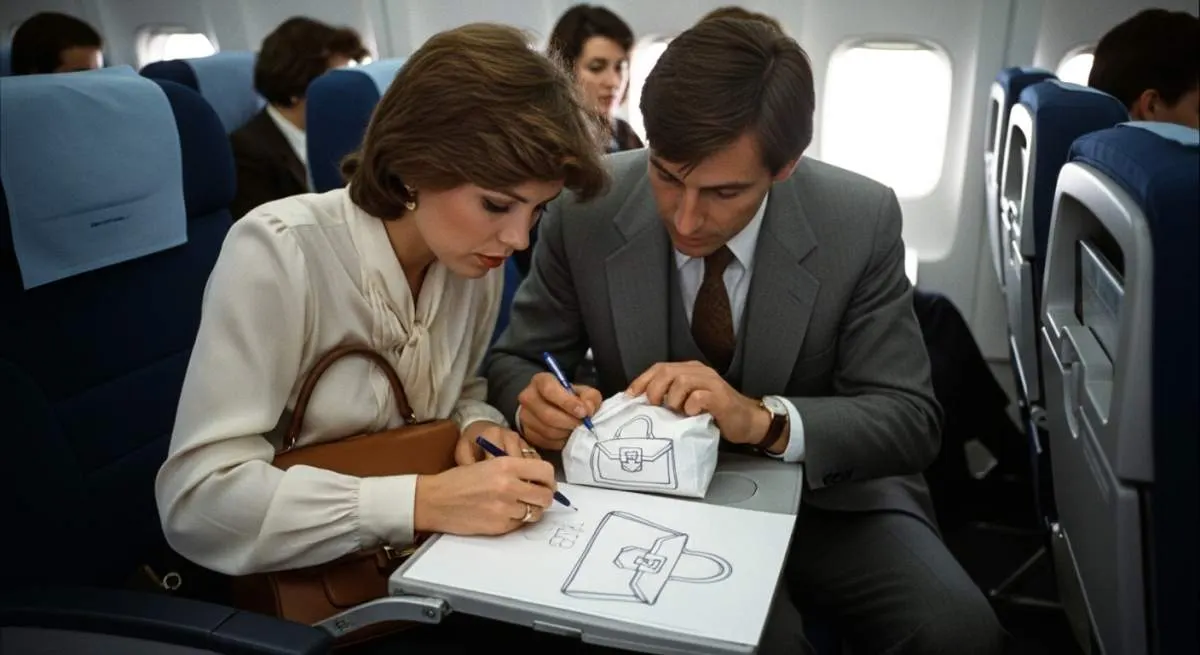
In 1981, actress and singer Jane Birkin found herself on a flight from Paris to London sitting next to Jean-Louis Dumas, the executive chairman of Hermès. The story goes that Birkin's straw bag fell apart during the flight, spilling its contents everywhere. Frustrated by the lack of a practical luxury handbag that could actually hold her belongings without falling apart, she sketched her ideal bag on the back of a sick bag with Dumas. That casual airplane doodle became the blueprint for what would become one of the most coveted handbags in the world.
Why the Timing Mattered for Luxury Fashion
The early 1980s were a turning point for how people thought about luxury. The decade celebrated excess and visible wealth, but it also saw a growing number of women entering the workforce and demanding products that matched their lives. A handbag that could hold a day's worth of essentials without sacrificing elegance was genuinely revolutionary. Jane Birkin herself embodied this shift: she was a working actress, a mother, and a style icon all at once. Her need for a practical bag reflected a broader cultural moment when luxury had to prove it could be both beautiful and useful.
What Made the Birkin Different
The Birkin's design is deceptively simple. It's a structured leather tote with a distinctive top handle, a flap closure with a turn-lock, and an interior that actually fits things. The proportions are generous without being clumsy. The leather is supple but holds its shape.
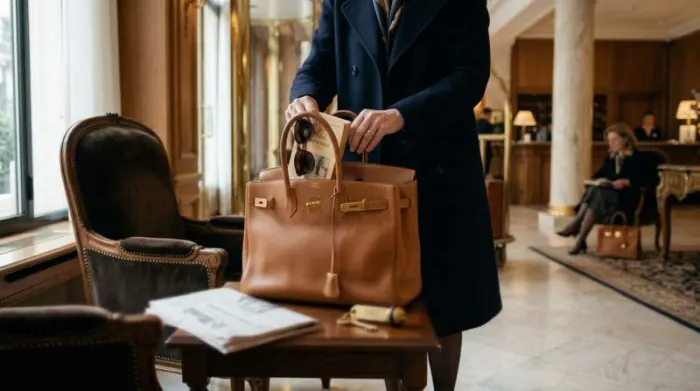
Every detail serves a purpose, which is exactly what Birkin had asked for on that flight. The bag comes in multiple sizes, from the compact B25 to the larger B35, allowing owners to choose based on their actual needs rather than fashion dictates.
Jane Birkin: The Organic Ambassador
Hermès deliberately limits Birkin production. The brand does not publish sales figures or production numbers, and it never discounts. This artificial scarcity has become central to the Birkin's mystique. You cannot simply walk into a Hermès store and buy a Birkin; there are waiting lists that can stretch for years, depending on the leather and color you want. Some customers report waiting five to ten years for a specific combination. This exclusivity transformed the Birkin from a handbag into an investment and a status marker.
The waiting list system also means that Birkins are rarely available on the secondary market at retail price. Instead, a thriving resale market has emerged where Birkins sell for significantly more than their original price. A classic black Birkin in good condition can sell for double or triple its retail cost, and rare colors or exotic leathers can fetch even more. This economic reality has made the Birkin a financial asset as much as a fashion item, attracting collectors and investors alongside fashion enthusiasts.
From Airplane Sketch to Cultural Icon
Jane Birkin carried the bag constantly, and photographers documented her with it everywhere. She wasn't trying to promote a luxury product; she was simply using a bag that worked for her life. That authenticity became the bag's greatest advertisement. Unlike many luxury items that rely on celebrity endorsement deals, the Birkin's fame grew organically because Birkin herself genuinely loved it. She was photographed with it at the grocery store, at the airport, at casual lunches. The bag looked real because it was being used in real situations.
This organic celebrity association gave the Birkin a cultural credibility that paid advertising could never buy. When other celebrities and style icons began carrying Birkins, they were following Jane Birkin's lead, not responding to a marketing campaign. The bag became shorthand for a certain kind of effortless French elegance and practical luxury that appealed to women across generations and income levels, even if most could never afford one.
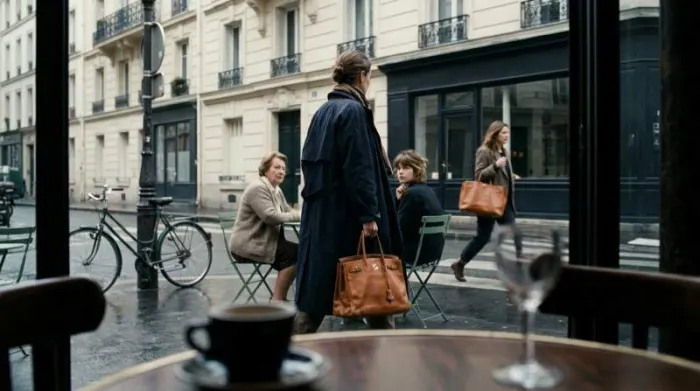
By the 1990s and 2000s, the Birkin had transcended fashion to become a cultural phenomenon. The waiting list became part of the story. Magazines ran features about women waiting years for their Birkin. The bag appeared in films and television shows as a symbol of wealth and taste. Celebrities were photographed carrying them, and fashion editors debated which colors and leathers were most desirable. The scarcity, the craftsmanship, the association with Jane Birkin, and the cultural moment all converged to create something unprecedented: a handbag that functioned simultaneously as a practical object, a luxury status symbol, and a financial investment.
The Economics of Exclusivity
The Birkin's price has climbed steadily over decades. In the 1980s, a new Birkin cost a few thousand dollars. Today, depending on the size and leather, a new Birkin ranges from roughly $9,000 to $15,000 or more for exotic skins. This pricing reflects the labor involved, the quality of materials, and the brand's deliberate positioning. But it also reflects pure scarcity economics. Because Hermès limits production and maintains waiting lists, demand consistently exceeds supply. That imbalance allows the brand to raise prices regularly without losing customers.
The resale market reinforces this dynamic. When a Birkin can sell for more than its retail price on the secondary market, it signals to potential buyers that the bag is a sound investment. This transforms the purchase from a luxury indulgence into a financial decision, which expands the pool of people interested in owning one. Collectors, investors, and fashion enthusiasts all compete for the same limited supply, driving prices even higher.
The Enduring Appeal of Practical Luxury
What's remarkable about the Birkin is that despite its astronomical price and status symbolism, it remains fundamentally a functional bag. It holds things. It lasts for decades. It ages beautifully. These practical qualities, born from Jane Birkin's original request on that airplane, have never been compromised for the sake of trend or fashion theater. In an era when many luxury items prioritize appearance over utility, the Birkin's commitment to actually working as a bag is almost countercultural.
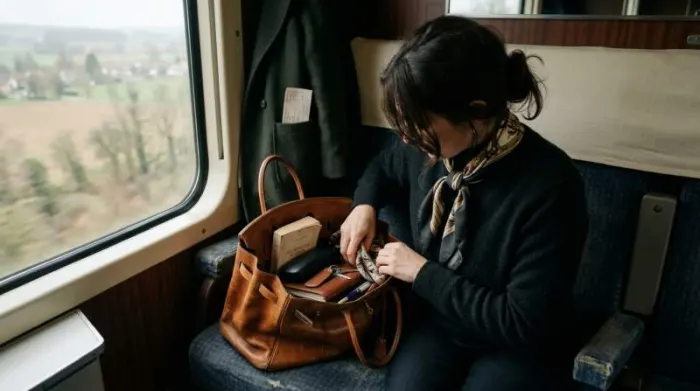
This balance between luxury and practicality is part of why the Birkin has remained relevant across four decades of changing fashion. The silhouette hasn't fundamentally changed because it doesn't need to. The proportions are timeless. The craftsmanship is impeccable. The bag works as well today as it did in 1984. Fashion moves in cycles, but a well-made object that solves a real problem never goes out of style.
The Birkin's Place in Fashion History
The Birkin bag's journey from a sick bag sketch to a cultural icon tells us something important about how objects become legendary. It wasn't created by a focus group or a marketing department. It emerged from a genuine need and a conversation between two people who understood craftsmanship and design. Jane Birkin didn't set out to create a status symbol; she wanted a bag that worked. Jean-Louis Dumas didn't set out to create a financial investment vehicle; he wanted to make something beautiful and useful. The mythology that followed was a byproduct of authenticity and scarcity, not the other way around.
The Birkin also represents a particular moment in luxury fashion when exclusivity and craftsmanship still mattered more than mass production and trend cycles. In today's world of fast fashion and rapid trend turnover, the Birkin's refusal to compromise on quality or flood the market with supply feels almost radical. It's a reminder that some objects endure not because they're constantly reinvented, but because they're made so well and so thoughtfully that they transcend their original moment and become timeless.
Why is the Birkin bag so expensive
The Birkin's price isn't just about leather and labor. Hermès uses a unique 'artisanal' production model where each bag is hand-stitched by a single craftsman, taking up to 48 hours. This tradition, rooted in 19th-century saddlery, ensures no two bags are exactly alike, adding to the mystique and cost.