

From Factory Floor to Fashion Front
Fashion's best stories rarely come from Parisian runways. One such tale involves a simple accessory that became a symbol of wartime elegance: the snood [1].
This distinctively charming, often crocheted or netted vintage hair pouch was designed to hold and protect the hair, a perfect example of 1940s fashion accessories born from wartime necessity. It beautifully cradled countless iconic 1940s hairstyles, becoming a hallmark of the era. While historically the term refers to various hair coverings, its wartime iteration is what truly captured the public's imagination.
Its origin, however, was far from glamorous: think greasy factory floors and the constant hum of machinery, not a Parisian salon.
The term 'snood' itself dates back to Old English, meaning a ribbon for the hair, but the 1940s version was a direct response to the War Manpower Commission's safety regulations for women in defense plants. During World War II, as millions of women entered factories, shipyards, and munitions plants, loose hair posed a genuine hazard. Machinery showed no mercy for elaborate hairstyles; entanglement was a constant risk.
Consequently, plain, practical hair nets became mandatory safety gear, a functional, decidedly unglamorous requirement. That something so utilitarian could transform into a beloved fashion item is a testament to human ingenuity. The snood's journey from factory floor to fashion staple is one of the more remarkable transformations in the history of getting dressed.
True style, it turns out, can indeed bloom anywhere, even amidst the grime of a factory floor.
The Snood's Wartime Evolution
As women embraced vital roles in the workforce, they subtly customized these functional nets, adding ribbons, beads, and flowers. This elevated a simple safety device into an accessory that was both practical for daily life and incredibly chic. Beyond safety, the snood offered brilliant solutions to several wartime challenges.
For one thing, rationing made fabric scarce, so an accessory that needed only a scrap of yarn or netting was a genuine lifesaver. Many women knit their own snoods, making them a frugal and accessible option. This DIY spirit was a hallmark of the era, similar to how women used gravy and tea to create the illusion of stockings when nylon was unavailable.
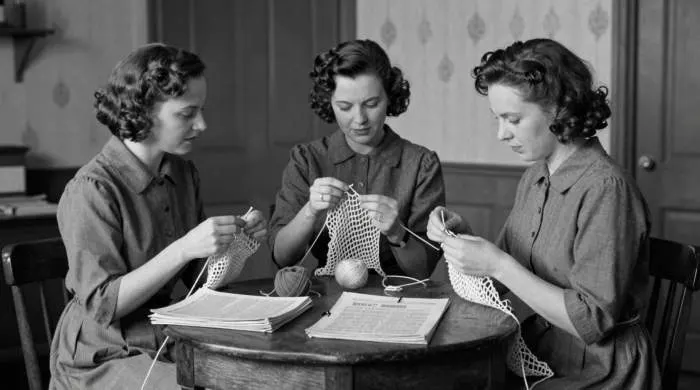
Secondly, hair maintenance became more difficult with fewer salon visits, limited access to styling products, and longer shifts. A snood could effortlessly conceal a bad hair day, protect a fresh set of victory rolls, or simply manage hair that hadn't seen a brush since dawn. It was the ultimate 'effortless' style for a time that demanded maximum effort elsewhere.
The snood perfectly complemented the prevailing 1940s aesthetic, which balanced feminine softness with a new sense of strength and structure.
It added a soft, feminine touch that balanced the structured shoulders and cinched waists characteristic of the era. This allowed women to maintain a sense of style and femininity even while working in traditionally masculine environments, making a powerful statement of resilience and grace.
Iconic Elegance: Defining 1940s Femininity
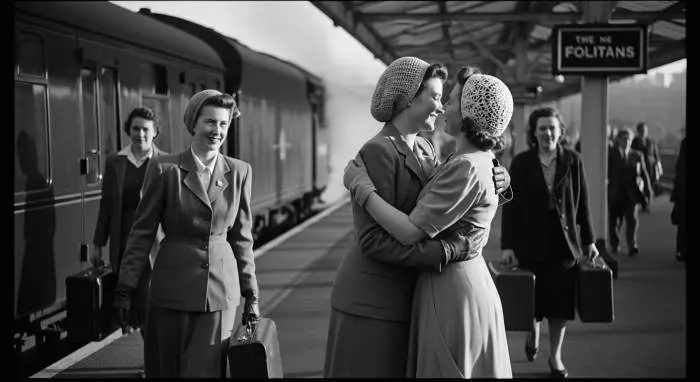
By the mid-1940s, the snood wasn't just a safety net or a practical solution; it had evolved into a distinct fashion statement and a symbol of wartime romance. It appeared in various materials like rayon, silk, and velvet, and was often adorned with ribbons, beads, or even fresh flowers, showcasing individual flair. Movie stars like Veronica Lake and Lana Turner were frequently photographed wearing snoods, both on screen and in publicity shots, solidifying its status as a chic accessory. That kind of celebrity visibility went a long way, giving everyday women a glamorous template to borrow from.
To wear a vintage snood was to embrace an era where practicality met understated glamour, embodying dignified chic rather than ostentation. It spoke of women’s strength and newfound independence in the workplace, yet simultaneously affirmed their femininity and desire for beauty.
Women typically gathered their hair at the nape of the neck, often in a roll, and then simply tucked it into the net, letting it drape or sit neatly. This technique was part of a broader 1940s hair vocabulary that included deep side parts and sculpted waves, creating a look of polished effort.
Styling the Snood for Today
The snood, once a pragmatic factory safety net and later the ultimate romantic accessory of the 1940s, remains a fascinating piece of fashion history. Its journey highlights how necessity can birth invention, and flair can transform the utilitarian into the chic. While its initial purpose was undeniably functional, its enduring appeal lies in its stylistic versatility.
Wearing a snood today requires a modern approach to avoid looking like a period reenactment. The goal is to integrate it seamlessly into a contemporary ensemble, rather than making it a standout historical piece.
It offers a unique way to add texture and an unexpected twist to your look, signaling an appreciation for history with a modern sensibility.
Pair an intricately woven snood with a crisp white shirt and straight-leg jeans for an easy weekend look, letting the texture do the talking. In warmer months, a delicate floral dress softened by a fine mesh snood reads as romantic rather than theatrical, never as a costume.
Placement matters just as much as the piece itself. Traditionally a snood sits at the nape of the neck, embracing a gathered bun or low ponytail; for a fresher take, wear it slightly lower as a chic hair bag. A rich velvet or delicately beaded snood in emerald green can elevate an evening outfit, turning the accessory into the focal point of the look.
Contrast is what keeps the look modern rather than costume-like. A finely crocheted vintage snood pairs beautifully with a sharply tailored blazer, playing the softness of the netting against crisp tailoring. Whichever way you style it, the key is to treat the snood as one deliberate accent in an otherwise contemporary outfit.
What is a snood hair accessory
Before the 1940s, snoods were already a staple in medieval Europe, worn by women to keep long hair tidy under veils or wimples. By the Victorian era, they evolved into decorative hairnets made of silk or velvet, often paired with elaborate gowns. This long history of practicality and adornment set the stage for their wartime reinvention.
Sources
- [1] The Snood: A Brief History
Bracketed numbers in the text (e.g. [1]) refer to the sources listed here.