
The Shoulders That Held Up a World
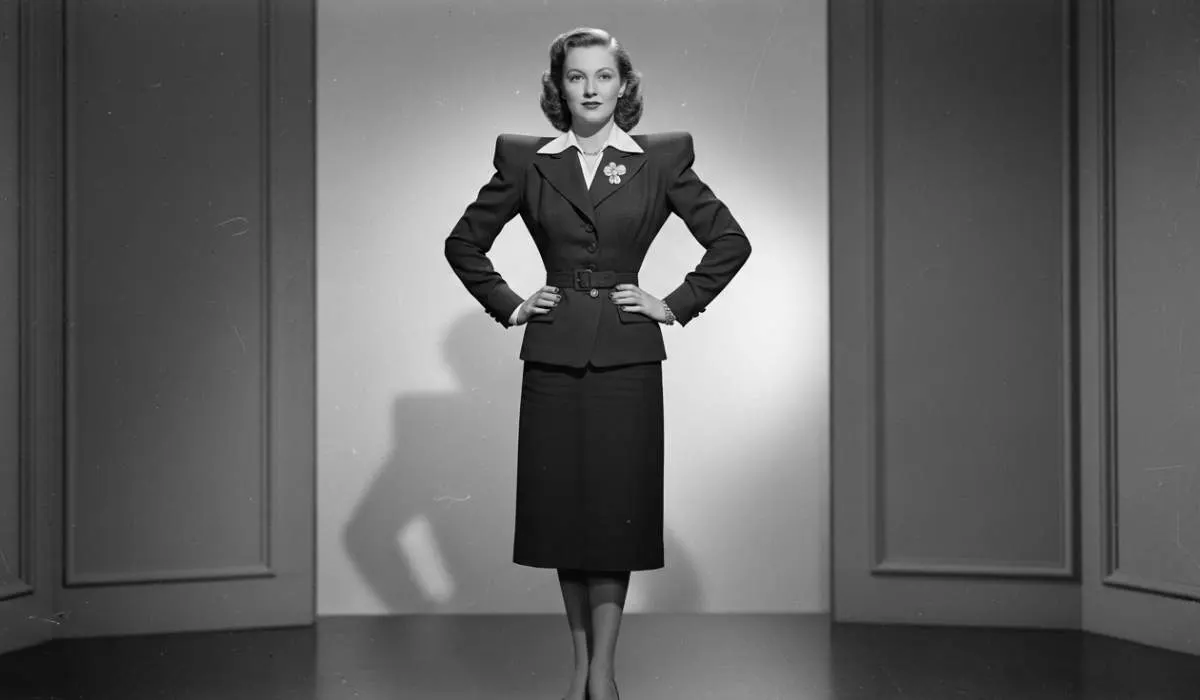
Picture a 1940s photograph. Before you notice the hairstyle or the smile, your eye is drawn to the silhouette: broad, strong, impossibly square shoulders. This wasn't just a fashion quirk; it was the decade's defining architectural line. From the factory floor to the silver screen, the padded shoulder was the uniform of a generation stepping into roles they had never imagined. It was a statement of capability, a visual anchor in a world turned upside down by war.
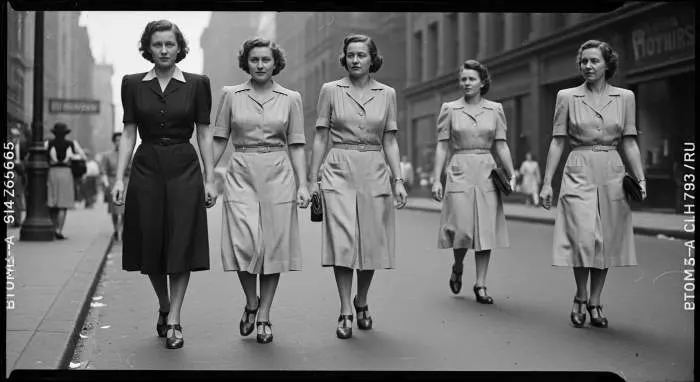
To understand why this look became so pervasive, we have to start with the most basic reality of the time: scarcity. World War II meant strict rationing, and fabric was a precious commodity. In the United States, the War Production Board's L-85 regulations dictated exactly how much material could be used for civilian clothing. Skirts got narrower, hems got shorter, and elaborate details vanished. The goal was utility, not excess.
The Clever Illusion of Substance
At first glance, adding padding might seem like a waste of precious resources. But the genius was in the illusion. A simple, fabric-saving blouse made from modest rayon could look rather plain. Slip a structured pad into the shoulder seam, however, and the entire garment transformed. It gained a crispness, a tailored sharpness that made it look intentionally designed and substantial.
This was a sartorial sleight of hand. Women could look polished and put-together while adhering to rationing rules, making the most of every scrap. Rumor has it that many resourceful women didn't even buy their pads; they crafted them at home from repurposed felt hats or old mattress batting. It was a crafty, rebellious act of making do, turning a necessity into a personal style statement.
From the Barracks to the Blouse
The silhouette was also a direct echo of the military world that dominated daily life. As men went off to fight, women stepped into vital roles as welders, riveters, mechanics, and pilots. Organizations like the WACs and WASPs issued uniforms designed for practicality and authority, uniforms defined by those same broad, commanding shoulders.
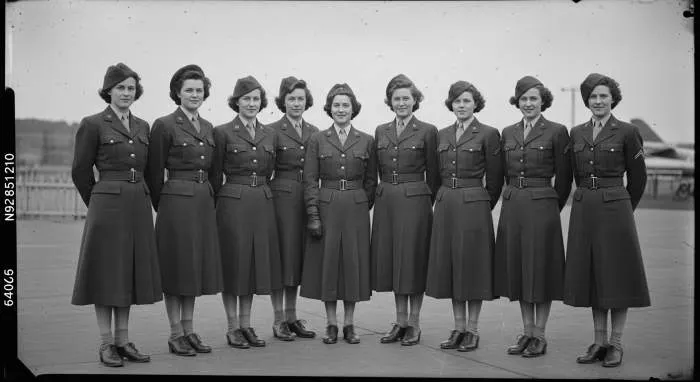
That aesthetic of readiness and capability naturally bled into everyday fashion. Wearing a jacket with strong shoulders was a visual link to the war effort, a silent salute to the work being done. It helped women dress the part for their new, physically demanding jobs. The clothing reflected a profound shift in identity; it was no longer just about adornment, but about purpose and contribution.
The Psychological Armor of Fashion
Beyond the practicalities, there was a powerful psychological component. Stepping onto a factory floor or into a management office could be intimidating. The structured shoulder provided a kind of armor. It wasn't just about looking strong; it was about *feeling* strong, confident, and unflappable.
The ideal 1940s silhouette was an inverted triangle: broad shoulders tapering down to a narrow, cinched waist. This created a strong, modern hourglass figure, one that spoke of efficiency and resolve rather than softness. When you put on a blouse with those firm, reassuring shoulders, you felt ready to face anything. It was fashion's way of bolstering the emotional fortitude of a generation.
Seeds of a Style: Before the War
While the war cemented the padded shoulder's place in history, its roots stretched back into the 1930s. Visionary designers were already playing with structure. The great Elsa Schiaparelli, ever the provocateur, began experimenting with broader, more angular shoulders as early as 1933.
Her iconic "skeleton dress" collection played with the body's architecture in shocking new ways. Vintage fashion historians love to note that Schiaparelli reportedly drew inspiration from an unlikely source: the shoulder pads worn by American football players. It's a wonderfully absurd origin story for one of fashion's most enduring silhouettes.
Hollywood was also laying the groundwork. Stars like Joan Crawford and Katharine Hepburn were already sporting a stronger shoulder line by the late 1930s, projecting an image of independence and strength. The war didn't invent the look; it accelerated its adoption and infused it with a new, urgent meaning.
Construction of a Symbol
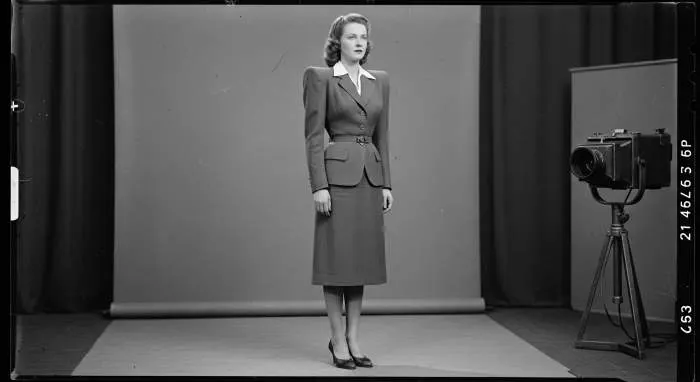
So, how were these ubiquitous marvels made? The construction was elegantly simple. Pads were typically cut from layers of cotton batting, felt, or fabric scraps into a crescent or oval shape. They varied from subtle enhancers to dramatic, architectural statements.
These pads were stitched directly into the shoulder seam of a garment, designed to sit at the top of the shoulder and extend just beyond the natural line. They dictated the cut of clothing, favoring clean, set-in sleeves that could accommodate the pad without bulk. This simple insert had the power to turn a basic blouse into a polished, standalone statement piece.
The End of an Era and an Enduring Legacy
All eras must end. As World War II concluded, the collective mood shifted from austerity to a longing for overt beauty and softness. In 1947, Christian Dior delivered the knockout punch to the padded shoulder with his revolutionary "New Look."
Dior's vision was a deliberate rejection of wartime utility. He banished the broad, angular lines, replacing them with soft, rounded shoulders and extravagantly full skirts that used yards of once-rationed fabric. It was a celebration of a new peace and a return to a different kind of femininity.
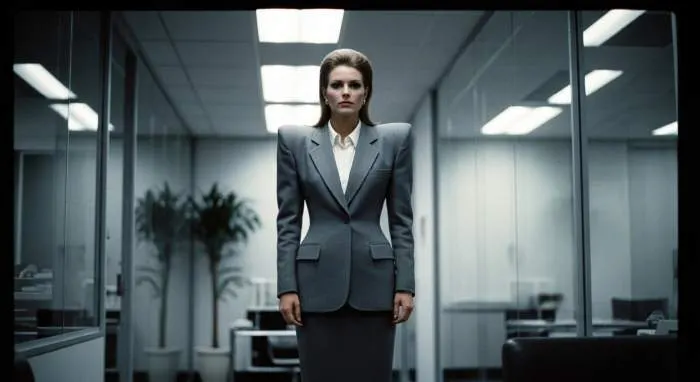
But the story of the padded shoulder was far from over. Its spirit lay dormant, waiting for another moment when women needed a sartorial symbol of authority. That moment arrived in the 1980s with the rise of "power dressing." Executives and professionals adopted sharply tailored suits with pronounced shoulders, consciously echoing the formidable silhouette of the 1940s to command respect in the boardroom. This is a big part of why padded shoulders fashion has such a powerful legacy, it keeps returning whenever a statement of strength is needed.
A Silent Narrative in Seams and Batting
Today, when we look at a 1940s suit or blouse, we're not just looking at old clothes. We're reading a silent narrative woven into the seams. Those shoulders speak of rationing and resilience, of government regulations and personal ingenuity. They tell the story of the "Rosie the Riveter" generation, women who stepped up, held the line, and reshaped their world.
The look resonates because it was never just about style. It was about identity, purpose, and the indomitable spirit of an era. It was fashion's most powerful shoulder-to-the-wheel moment, a beautiful, structured testament to the strength it takes to build, and rebuild, a world. And in that, its statement remains timeless.
How the craze actually started
Costume designer Adrian started it with Joan Crawford's giant ruffled sleeves in the 1932 film Letty Lynton.
Macy's reportedly sold half a million copies, and the broad silhouette marched into 1940s wartime fashion.