
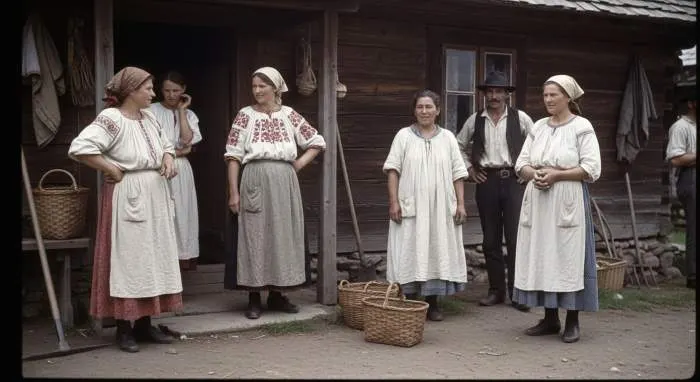
YSL's Masterstroke: Elevating the Everyday Peasant Blouse into High Fashion
This fusion of boho chic and couture craftsmanship had a lasting ripple effect. It democratized elements of folk and street style into the mainstream while simultaneously creating a new kind of elitism. Yves Saint Laurent proved that high fashion didn't always need to be stiff or overtly formal; it could be inspired by streets, history, and global cultures, provided it was crafted with vision and precision. This approach set a new bar for what we'd eventually call vintage tops, showing how a designer's touch could transform the everyday into the extraordinary.
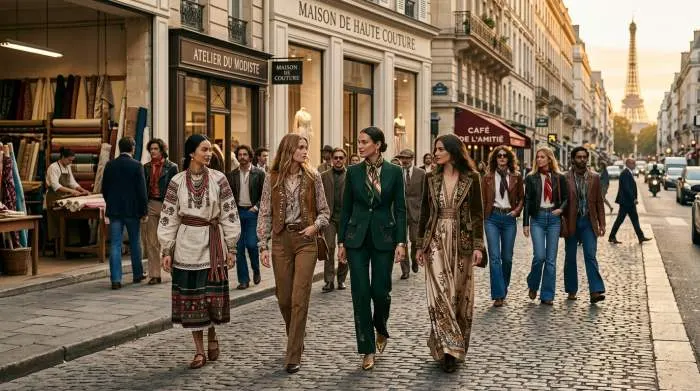
How to Style the YSL Peasant Blouse Legacy for Modern Looks
The enduring magic of Yves Saint Laurent's elevation of the humble peasant blouse in the 70s still inspires how we style it today. The 'rich hippie' aesthetic was never just a pretty top, it carried an attitude of freedom and luxurious ease, and that is exactly why the look keeps returning to modern wardrobes. When you wear a peasant blouse now, you channel that same spirit: relaxed, confident, and quietly expensive. It’s a piece that answers the question many style seekers have: how can I look effortlessly chic without trying too hard?
The key to wearing it today isn't just 'how to wear it,' but how to capture that confident swagger defined by the YSL Rive Gauche collections. This versatile piece, with its billowy sleeves or delicate smocking, has incredible staying power. To avoid a costume-like appearance, anchor it firmly in the present by interpreting its original spirit of elevated ease. Think of it as a foundational piece for a modern bohemian look, similar to how a Stevie Nicks-inspired style layers romance with rock-and-roll edge.
Balance is essential: mix the blouse's soft, romantic volume with sharp, structured pieces. A fluid silhouette reads effortlessly modern when it is grounded by clean tailoring and refined accessories. For instance, pair an embroidered blouse with tailored trousers or a sleek midi skirt. This contrast is what keeps the look from feeling dated or overly thematic, transforming folk inspiration into contemporary wardrobe magic.
- The Denim Foundation: A flowy peasant blouse pairs effortlessly with denim. For a true 70s nod, opt for high waisted flared jeans. For a contemporary vibe, straight leg or a slightly cropped wide leg jean works beautifully. Denim shorts or a midi skirt also ground the bohemian feel, perfect for casual weekend wear.
- Sharp Tailoring for Contrast: This is where the "rich" in "rich hippie" truly shines. Offset the blouse's inherent softness with structured pieces. Consider high waisted tailored trousers: perhaps a wide leg linen pair or sleek black wool. A well cut pencil skirt or an A line midi in a crisp fabric creates an unexpected, sophisticated silhouette, elevating the blouse from casual to chic.
- Layering with Intent: A peasant blouse serves as an excellent base layer. Add a fitted suede vest for a classic 70s touch, or an oversized knit cardigan for cozy relaxation. A structured blazer in a neutral tone instantly smartens the look. Even a simple denim jacket draped over the shoulders adds a cool, effortless layer, channeling that YSL Rive Gauche ease.
- Strategic Accessorizing: Accessories are crucial for defining your aesthetic. Cinch a voluminous top with a wide leather belt to create shape. Layer delicate gold necklaces, or opt for bold, ethnic inspired pieces. Scarves, tied around your neck, in your hair, or on your bag, add a personal touch. Don't forget stylish sunglasses and perhaps a fedora for bohemian luxe.
- Footwear Finishes the Story: Your shoe choice completely transforms the outfit. Espadrille wedges or block heeled sandals evoke summer chic. For a tougher edge, try ankle boots, especially in suede. Simple leather flats or minimalist sneakers can bring it back to casual, everyday comfort, embodying easy elegance for daily wear.
Today's goal is the sophisticated nonchalance Yves Saint Laurent perfected. It's not about emulating 'authentic folk fashion' directly, but about embracing its essence: comfort, hand-touched details, a wanderlust spirit, and blending it with modern wardrobe staples. Look for pieces that speak to this philosophy, fabrics that feel luxurious, cuts that are forgiving yet intentional. The original peasant blouse was born from practicality; YSL's genius was in preserving that ease while elevating every detail.
Look for impeccable cut, rich fabric, and subtle detailing, those are the markers that made YSL's peasant blouses feel expensive rather than costume-like. Choose pieces with that quiet quality and the look stays elevated. Details matter: fine embroidery, mother-of-pearl buttons, or delicate pintucks can make all the difference. It’s this attention to craftsmanship that separates a simple top from a piece of fashion history you’ll want to wear for years.
So, mix those embroidered sleeves with sleek leather trousers, or a smocked neckline with high-waisted jeans and a statement belt. The modern peasant blouse wearer steps out with an undeniable blend of comfort and confidence, owning a piece of fashion history with contemporary flair. This approach works beautifully with other vintage-inspired pieces, like the timeless versatility of a little black dress, proving that classic silhouettes can always be refreshed with the right styling.
The Enduring Paradox of YSL's Peasant Blouse and Its Influence on Fashion Today
Yves Saint Laurent’s transformation of the peasant blouse was a quiet revolution. He didn't just sell expensive cotton; he sold a feeling, an aspiration. He took something profoundly authentic, rooted in folk tradition and often seen in the wardrobes of working women across Europe and beyond, and infused it with Parisian chic and Rive Gauche swagger. In doing so, he asked a provocative question: why shouldn't comfort and cultural heritage be the foundation of luxury?
He cemented 'rich hippie' as a distinct category, demonstrating that luxury could be relaxed, individual, and connected to the world, not just confined to grand salons. This was a radical idea in an era still heavily influenced by formal couture. It appealed to a new generation of women who valued self-expression and global awareness, making high fashion feel more personal and accessible, even at a high price point.
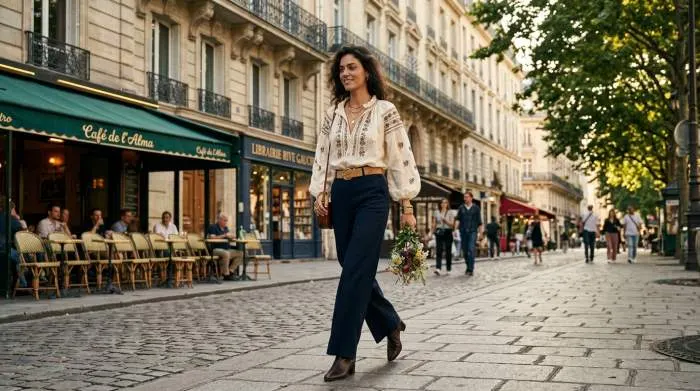
His influence extended far beyond those flowing sleeves. He taught the industry that true style wasn't solely about rigid structures or unattainable haute couture. It could be found on the street, in history, and in other cultures, then elevated with impeccable taste and quality. This philosophy paved the way for countless designers who now regularly mine vintage and global inspiration, much like the enduring appeal of YSL's safari jacket, another garment he transformed from utilitarian gear into a symbol of chic adventure.
This was not merely appropriation; it was translation, making authentic folk fashion understandable and desirable to a global, affluent audience. The legacy of YSL peasant blouses from the 70s endures today. They are why 'boho chic' frequently reappears on runways and why designers consistently reinterpret global aesthetics. This paradox, the high-end take on humble origins, became a blueprint, carving out a space where comfort met couture and effortless cool commanded top dollar.
His legacy serves as a constant reminder that true innovation often lies in recognizing the extraordinary potential in the seemingly ordinary, and then possessing the genius to make everyone else see it too. That is true vision. It’s a lesson that resonates beyond fashion, reminding us that style, at its best, is about perspective, seeing the magic in the mundane and having the courage to redefine it.