
When Bombs Rained, Cork Rose: The Unlikely Origin of the Wedge Heel
During World War II, Italy faced severe material shortages, and steel vanished from civilian workshops. Salvatore Ferragamo, a shoemaker who had already made a name for himself in Hollywood, watched his supplies dry up. Without the thin steel shanks and nails needed for traditional heels, his business was at risk. Instead of giving up, he started experimenting with materials nobody else thought to try, and that decision changed footwear forever.
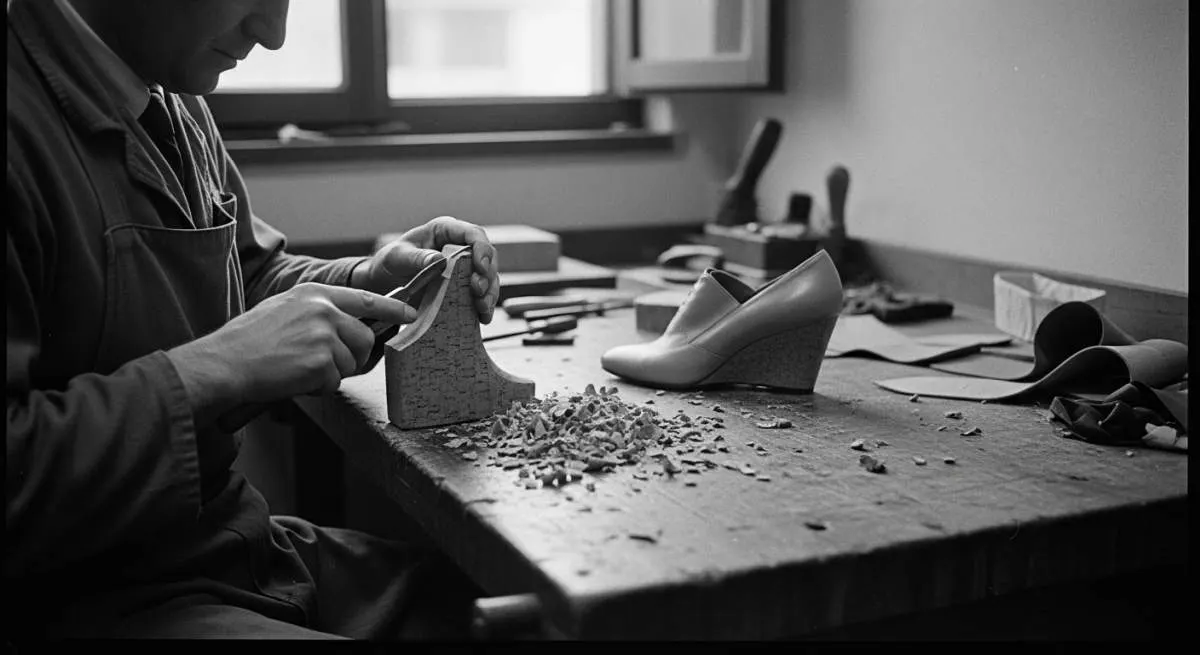
His breakthrough came from an everyday source: cork, the same lightweight bark used for wine stoppers. Ferragamo layered sheets of cork, glued them together with strong adhesives, and shaped them into a solid, continuous wedge that ran from the ball of the foot to the heel. This design eliminated the need for steel reinforcements because the wedge supported the foot evenly along its whole length. The result was a shoe that felt stable and grounded, a world away from the wobble of a traditional high heel. One of the most recognizable heel styles was born from a workshop that had simply run out of nails.
What Made the Wedge Different From Other Heels
Traditional heels, especially stilettos, put all your weight on a tiny point at the back of the foot, requiring steel shanks and careful balancing. The wedge, by contrast, spread your weight across a flat, solid surface from front to back, making it much easier to walk in. Women who had never felt comfortable in high heels suddenly found a way to get some height without giving up stability.
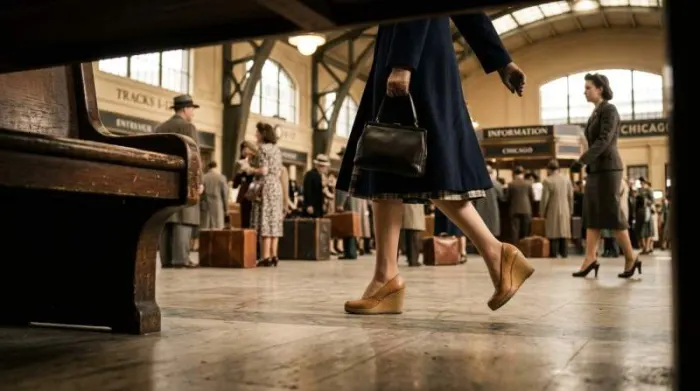
The wedge also changed how shoes felt on different surfaces. On grass, cobblestones, or uneven sidewalks, a stiletto heel can sink or catch, while a wedge stays planted. That made it a practical choice for outdoor events, summer parties, and everyday wear, especially at a time when women were walking and working more than ever. Ferragamo's cork wedge gave women a stylish option that fit the changing rhythms of wartime life.
From War Shortage to Fashion Statement
Ferragamo didn't set out to create a fashion icon; he was just trying to keep his workshop running during a brutal steel shortage. His solution of layering cork, glue, and suede was pure necessity. But once women tried the wedge, they fell in love with its comfort and ease, and the style spread quickly through Italy and beyond.
What started as a wartime fix quickly blossomed into something much bigger. Women now had a comfortable, stable alternative to traditional heels, height without the wobble, a grounded elegance that fit perfectly into their daily lives. After the war ended, the wedge didn't just fade away as a relic of necessity; it evolved into a permanent fixture of fashion.
How the Wedge Spread After the War
Once steel supplies returned to normal, Ferragamo could have abandoned cork and gone back to traditional methods. Instead, he kept refining the wedge, introducing new materials like jute, rope, and raffia for summery espadrille versions. Other designers around the world saw the wedge's potential and started adapting it into their own collections, from casual sandals to elegant pumps.
By the 1950s, the wedge had become a global style. It showed up in resort wear, on Hollywood starlets photographed at the beach, and in high-end fashion magazines. The wedge crossed the line from practical wartime workaround to deliberate design choice, and it never looked back.
The Comfort Revolution That Changed Women's Shoes
Before the wedge, women had very few comfortable options when it came to shoes with height. Most heels forced a trade-off between looking good and feeling good, and the wedge made that trade-off a whole lot less painful. For the first time, a woman could wear a heeled shoe all day without pain.

This comfort revolution didn't happen in isolation. The 1940s and 1950s saw women entering the workforce in larger numbers, walking more, driving cars, and juggling household duties. The wedge fit perfectly into these new routines, offering a style that worked for both office and home. It was a practical solution that happened to be deeply fashionable, and that combination is why it still feels modern today. For more on how postwar fashion embraced bold silhouettes, check out the 1950s bullet bra phenomenon.
The Cultural Meaning of the Wedge
The wedge carried more meaning than just comfort. During a war that rationed everything from fabric to fuel, a shoe made from recycled cork felt resourceful and honest. Women who wore Ferragamo's wedges weren't just choosing a shoe, they were taking part in a quiet act of defiance, proving that style could survive even when materials ran out.
Over time, the wedge became associated with leisure and vacation. The espadrille wedge, with its rope sole and canvas upper, became a symbol of summer, beach trips and garden parties. In the 1970s, platforms and wedges made a massive comeback, this time in brighter colors and higher stacks, and they stayed a staple of seventies fashion until they faded into the eighties.
Why the Wedge Keeps Coming Back
Designers have revived the wedge in every decade since the 1940s. In the 1990s, minimalist wedges made of wood or molded plastic showed up in minimalist collections. In the 2000s, cork wedges returned with a bohemian twist, popular on music festival stages and in street style photography.
Each revival adapts the wedge to current tastes while keeping the core idea intact: a stable, comfortable heel that supports the whole foot. That versatility is why the wedge has never truly gone out of style. It can be dressed up or down, worn in summer or winter, and reinterpreted endlessly without losing its original spirit.
How the Wedge Changed Footwear Design
Ferragamo's cork wedge did more than just create a new heel shape. It proved that shoe design could be driven by material innovation, not just decoration. The wedge opened the door for other experimental heels, from the chunky block heels of the 1970s to the sculptural platforms of the 1990s.
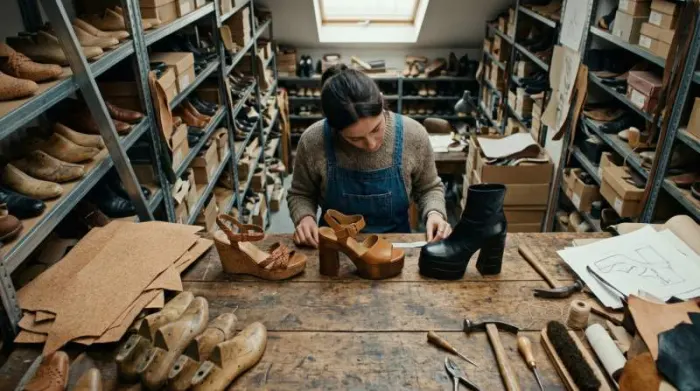
It also showed that constraints can be a powerful creative force. Without the steel shortage, Ferragamo might never have tried cork, and the wedge might never have been invented. That lesson, that limitations can spark the best ideas, resonates far beyond shoes and into every creative field.
Ferragamo's Legacy in Modern Footwear
Today, Ferragamo's name is still on luxury shoe boxes, and the brand continues to make wedges that echo his original designs. But the wedge's impact goes much further. Walk into any shoe store, and you'll find wedges in every price range, from fast fashion to high-end leather goods. They've become a standard part of footwear vocabulary, as normal as sneakers or flats.
The cork wedge also influenced how designers think about sustainability. Using a renewable, biodegradable material like cork during a crisis showed that fashion could solve problems without waiting for new technology. That lesson feels especially relevant today, as the industry looks for ways to reduce waste and use natural materials.
The Enduring Appeal of Ferragamo's Invention
This isn't just a story about a shoe, it's a powerful reminder of innovation born from constraint. From humble beginnings, driven directly by the chaos of a global conflict, the cork wedge transformed into an absolute staple of footwear. It has graced runways for decades, been reinterpreted countless times by designers worldwide, and still pops up fresh and relevant in every season's collections.
Ferragamo's invention of necessity didn't just solve a problem, it started a whole new, enduring chapter in footwear design. Sometimes, the most practical solutions are also the most stylish and timeless. That's a legacy that keeps going, season after season, step after step.
See the originals in person
The Museo Ferragamo in Florence displays his wooden lasts, sketches and the famous invisible sandal from 1947.
The museum opened in 1995 inside the Palazzo Spini Feroni.