IN THIS ISSUE:
From Bedroom to Boulevard: The Slip's Risqué Rise
Before overt rebellion, before "barely there" was a red-carpet norm, a quieter revolution unfolded in silk. The silk slip dress emerged as the ultimate fashion provocateur, a garment born in the boudoir that defiantly transitioned to full-blown outerwear. Its journey is less a style evolution and more an audacious unraveling of convention, transforming a whisper of lingerie into a defiant roar.
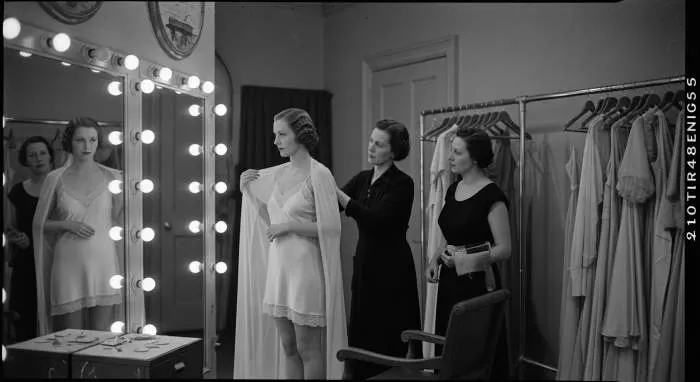
Its journey from secret undergarment to iconic staple is one part scandal, one part genius. For decades, the slip lived a demure life beneath respectable frocks, designed to glide and smooth, hugging the body's natural curves with its revolutionary 1930s bias cut. (For a deep dive into how that cut changed everything, check out this Source). This was a slow-burn revolution, an audacious unbuttoning of societal norms that culminated in public display.
The transformation wasn't instant, but the moment delicate silk peeked out, then fully emerged, it profoundly challenged societal norms. The slip dress was deemed scandalous precisely because it aggressively blurred lines, openly hinting at what was traditionally hidden and transforming intimacy into an outward expression. It declared a woman's comfort in her own skin, reclaiming the body and its sartorial narrative.
More than just fabric and silhouette, this is an investigation into how a piece of lingerie, stripped of its modesty and boldly thrust into the spotlight, became a powerful symbol of defiant elegance and effortless cool. We'll explore its scandalous history, from subtle hints by silent film sirens and the daring women of the 1960s, to its gritty, glamorous comeback as a 90s grunge essential. The lines between what goes under and what goes over have been permanently blurred.
From Secret Silks to Street Style: The Slip Dress Story
Today, the silk slip dress is a bona fide wardrobe staple, seen from red carpets to coffee shops. Its journey from intimate lingerie to global fashion icon, however, was far from straightforward, continuously pushing boundaries and challenging notions of modesty through the delicious scandal of underwear as outerwear.
The history of the silk slip dress as outerwear starts earlier than you might think, way before the 90s. We're talking the 1930s, a decade of profound shifts in society and fashion. While audiences in 1933 were gasping at the cinematic spectacle of "King Kong" terrorizing New York, a quiet revolution was happening in women's undergarments. Clothes were becoming less structured, moving away from the restrictive corsetry of previous eras.
Designers like Madeleine Vionnet were championing the bias cut – a technique that involves cutting fabric diagonally across the grain. This gave garments an incredible drape and elasticity, allowing them to cling and flow with the body's natural curves rather than fighting them.
The 1930s: Bias Cut's Debutante Ball
The 1930s bias cut slip dress origin is largely tied to this innovative method. Madeleine Vionnet, often credited as "the architect of fashion," mastered the bias cut, creating gowns that seemed poured onto the body. While her runway pieces were elaborate evening wear, the technique trickled down to undergarments.
Slips, traditionally worn for modesty and to ensure outer garments hung smoothly, adopted this bias cut. Crafted from rayon or silk, their lightweight, slinky construction hinted at a future where underwear could be as sophisticated as outerwear, planting the seed for a bolder statement.
Mid-Century & the Modesty Mandate
For decades following the 1930s, the slip retreated firmly into its role as an undergarment. Society was not yet ready for widespread slips becoming dresses. Women wore them under almost everything – dresses, skirts, even some trousers – as a matter of propriety.
A visible bra strap was scandalous; a visible slip was unthinkable. Its scandalous perception stemmed directly from its intimate nature – a private layer, and any accidental flashing was a mortifying social faux pas. In an era where showing too much leg or cleavage was daring, parading around in what amounted to a nightgown was beyond the pale.
The 1980s & The Whisper of Rebellion
The 1980s, with its maximalist fashion and pop culture icons like Madonna, began to experiment with innerwear as outerwear. Corsets, bustiers, and lace details started to peek out, marking a defiant, sexy shift. While the full-blown slip dress hadn't yet claimed its spot, designers' experimentation slowly blurred the lines between what was worn underneath and what was worn on top, setting the stage for bolder statements.
The 1990s: Grunge, Glamour, and the Mainstream Takeover
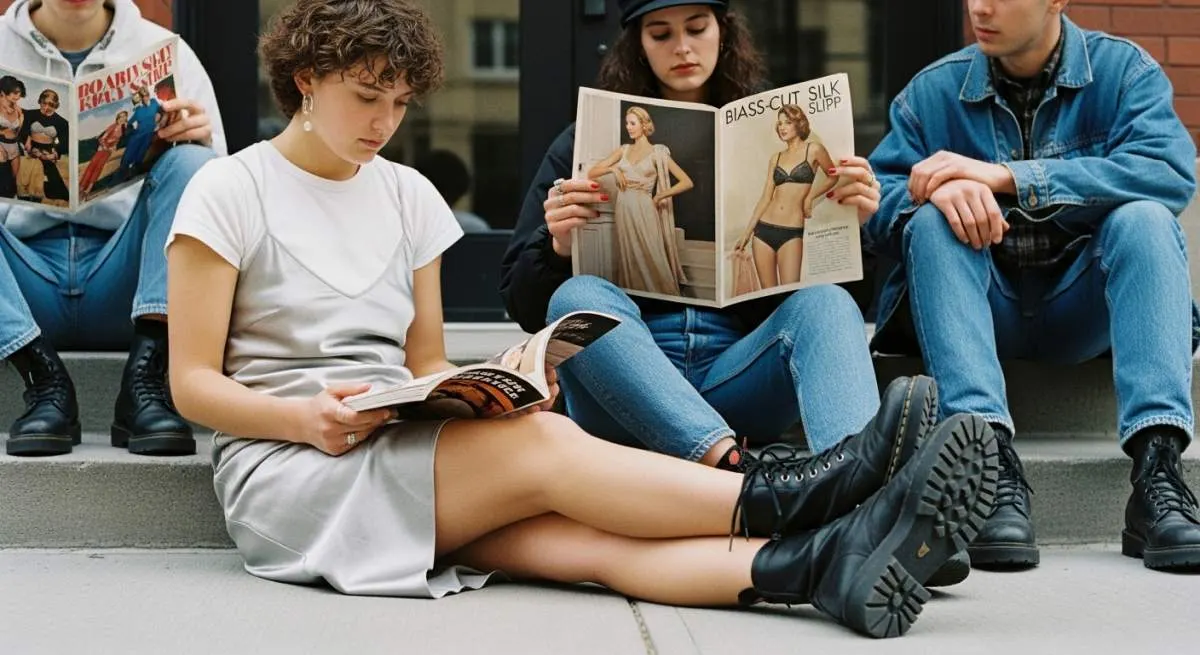
The 1990s ushered in a complete transformation. This was the decade when slips truly became dresses, and the 90s grunge silk slip dress style was less a trend and more a counter-cultural statement. Minimalist, effortless, and undeniably cool, supermodels like Kate Moss popularized it, often paired with combat boots and a messy bun – a clear rebellion against 80s glamour.

Designers, from Calvin Klein to John Galliano for Dior, embraced it. Klein's simple, slinky designs redefined sensuality, making the slip dress feel both accessible and utterly luxurious. It became a symbol of raw, unadulterated cool.
Courtney Love famously wore them on stage, tattered and torn, embodying the rock-and-roll ethos of "I woke up like this, now listen to my music." These slip dress trends weren't about perfection; they were about attitude, individuality, and a hint of deliberate undoneness. This transformation cemented the silk slip dress's place not just as a piece of fashion history, but as a defiant icon. It had shed its secretive past and stepped boldly into the light, forever changing how we view what belongs beneath and what belongs out front.
Beyond the Seams: The Slip Dress as Cultural Provocation
The silk slip dress provocatively sashayed straight from the bedroom into the public eye, a brazen redefinition of decency and desire that created lasting ripples in perceptions of intimacy and style.
Initially, the 1930s bias-cut silk slip was a marvel of design, an intimate secret meant strictly for layering under clothing, enhancing the silhouette with its fluid drape.
Its smooth, shimmering fabric and delicate straps whispered luxury, but only to the wearer. When designers began flirting with making this private piece public, it naturally raised eyebrows and challenged established norms.
For decades, the slip remained largely under wraps, occasionally peeking out from under a skirt, a tantalizing hint of what lay beneath. But by the 1990s, the fashion world was primed for rebellion.
The rise of minimalism, anti-establishment sentiments, and the raw authenticity championed by designers like Calvin Klein created the perfect storm. Suddenly, supermodels like Kate Moss and celebrities weren't just wearing slips; they were styling them as evening gowns, casual wear, and full-blown street style statements. This era truly cemented the history of the silk slip dress as outerwear.
The slip dress was considered scandalous because it fundamentally blurred lines society had meticulously drawn between the private and the public, the modest and the provocative. It brought the intimacy of underwear into the public sphere, challenging traditional notions of modesty. Wearing a garment designed for undress in public felt like a direct affront to decorum, a provocative act that declared a woman’s comfort with her body and sexuality, without apology. It stripped away layers of conventional fashion, revealing something utterly simple yet profoundly powerful.

The cultural impact was immense. The slip dress became a powerful symbol of effortless cool, a quiet rebellion against fussy formality and ostentatious displays of wealth. It championed a kind of raw, understated sensuality that didn't need sequins or excessive embellishment to make a statement: from Carolyn Bessette-Kennedy's chic, understated bridal look to the deliberately dishevelled 90s grunge silk slip dress style rocked by figures like Courtney Love on stage.
It transcended categories, proving its versatility and subversive charm. It allowed women to feel simultaneously vulnerable and incredibly strong, reclaiming what was once hidden as a badge of confidence. It was a mood, a statement, and a quiet revolution that profoundly changed perceptions of how women could present themselves. It taught us that sometimes, the most audacious fashion isn't about adding more, but about stripping it all back and owning it.
The Slip's Next Act: Mastering Modern Edge
The silk slip dress is a fashion phoenix, constantly reinventing itself. What began as intimate 1930s bias-cut lingerie, once considered scandalous, has long since crashed the party as essential outerwear. Its transition from private intimate to public statement, particularly cemented by its journey to a 90s grunge icon — worn by everyone from Courtney Love to Kate Moss — underscores its defiant versatility. Mastering it today is all about smart layering and attitude.
Today, the line between bedroom wear and street-ready fashion is practically invisible. The slip dress, in its purest form, embodies this shift. Whether echoing its 1930s origin with a delicate cowl neck or channeling 90s minimalist chic, the key is intentional styling – making it clear it's a deliberate choice, bolder than ever.
Here’s how to pull off the silk slip dress today, proving its scandalous history is now its superpower:
- Underneath it all: Layer a crisp white t-shirt, a fitted turtleneck, or even a sheer long-sleeve top under your slip. This instantly grounds the look, making it less 'boudoir' and more 'brunch'. It's a direct nod to the casual cool of the 90s grunge silk slip dress style, giving a delicate piece an edgy backbone.
- The tough love approach: Pair it with chunky combat boots or rugged biker boots. This clash of feminine silk and heavy footwear is an unbeatable combination, injecting immediate attitude. Throw on a leather jacket or a cropped denim jacket to complete the tough-luxe vibe.
- Dress it down, seriously: For a genuinely relaxed feel, wear your slip dress over wide-leg jeans or tailored trousers. It's an unexpected move that screams fashion-forward and shows you're not afraid to play with proportion. The slip becomes less a dress, more a tunic.
- Belt it up: Cinch a wide belt or a slim, minimalist belt around your waist. This defines your silhouette and can transform a flowing bias-cut slip into something more structured, giving it a polished, intentional feel. It’s a trick that works whether you're aiming for office appropriate or evening chic.
- Oversized outerwear: Drape an oversized blazer, a chunky knit cardigan, or a menswear-inspired coat over your slip. The contrast in volume and texture adds depth, making the slip feel less exposed and more like a foundation piece for a thoughtfully constructed outfit.
- Accessorize with intent: Keep jewelry minimal and modern – delicate gold chains, small hoops. Or go bold with a statement necklace that peeks out from a cowl neck. A sleek clutch or a structured shoulder bag adds polish. Remember, the goal is to show the slip dress isn't an afterthought.
Ultimately, styling the silk slip dress today is about embracing its rebellious spirit while making it work for your life. No longer simply a hidden 1930s bias-cut marvel or a 90s fashion statement, it’s a canvas for personal expression. It can be dressed up for a formal event with strappy heels and a sophisticated blazer, or dressed down for a casual day out with sneakers and a cardigan. The charm lies in its inherent versatility – a piece that once stirred controversy now simply makes you look effortlessly cool, proving that its scandalous past is precisely what makes it so relevant.
The Slip's Enduring Reign
The silk slip dress is not merely a faded trend; it's a fashion phoenix, perpetually rising from perceived scandal and finding new ways to captivate. Its journey, beginning in the 1930s with the genius bias cut as luxury lingerie, launched a profound shift.
This humble undergarment, designed for comfort and secret glamour, began a slow, deliberate march into the spotlight. For decades, the idea of the slip dress as outerwear was revolutionary, even scandalous, for challenging norms and exposing what was traditionally hidden. It whispered rebellion before it roared.

By the 90s, the grunge era adopted it. Nirvana tees under delicate silk, combat boots with slinky straps – it was a powerful statement. From supermodels like Kate Moss to everyday women, the 90s grunge silk slip dress style solidified its place as an emblem of effortless cool, a defiant shrug at formality.
Today, the legacy is clear: the slip dress is a non-negotiable wardrobe staple, endlessly adaptable for layering over turtlenecks, pairing with sneakers, or dressing up with heels. It proves that true style transcends rigid rules, embracing personal expression even from garments once strictly reserved for under-layers. That's its enduring power.