
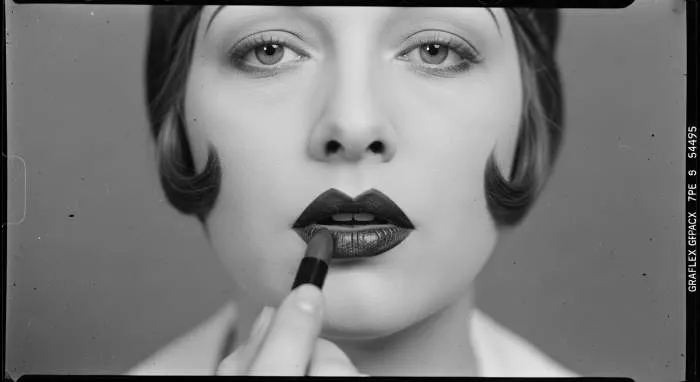
Welcome to the Roar: The Lipstick That Shook the World
Pull up a stool, darling. Let's slip back to a time when the music was loud, the drinks were illegal, and a woman's lips were a declaration of war. The 1920s were a thunderclap of change, and at the center of the storm was a tiny, dark, defiant mouth. This wasn't just makeup; it was a weapon of cultural revolution, a stark symbol against a world of corsets and quiet manners. Forget the subtle blushes of the past. The flapper painted a target on her face, and it was the most scandalous, beautiful thing anyone had ever seen.
Under the gaslights of the speakeasies, that lipstick looked almost black, a deep, velvety plum or oxblood that dared you to look away. It was the ultimate 'I dare you' statement, worn by women who drove cars, held cigarette holders, and owned the night. To understand why this simple tube of color caused such an uproar, we have to remember what came before. For decades, dramatic makeup was the territory of actresses and others on the fringes of 'respectable' society.
The Birth of the Cupid's Bow: A Tiny, Perfect Rebellion
The iconic 1920s lip wasn't just dark; it was intentionally small. Known as the 'Cupid's Bow' or the 'Bee-Stung Lip,' it was a stark departure from a natural pout. Why shrink the mouth? The answer lies in two powerful forces of the era: the silver screen and the spirit of youthful defiance. Silent film stars like Clara Bow were the ultimate trendsetters.
Off-screen, the small, downturned mouth became a symbol of the flapper's entire ethos. It was sophisticated yet childlike, a perfect visual counterpoint to bobbed hair and the dramatically low waistlines of the new Flapper dress history. It screamed modernity and a rejection of natural, demure beauty. The darkness itself was pure rebellion. Plums, oxbloods, deep wines, the deeper the shade, the more scandalous the woman wearing it. It was a clear, unmissable signal that she was not waiting for permission from anyone.
The Secret to the Perfect Pout: An Architectural Masterpiece
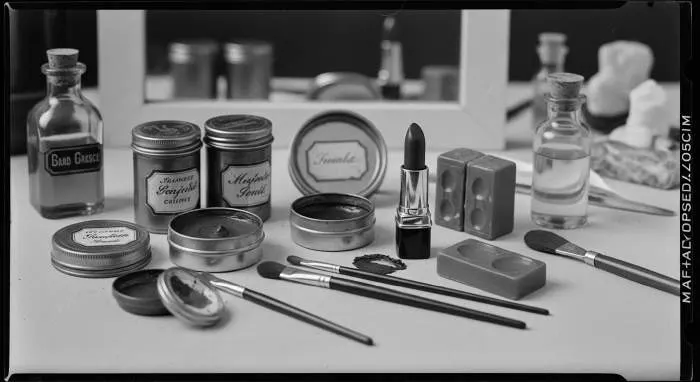
First, you'd conceal the edges. A dab of foundation or concealer patted over the outer corners, especially of the bottom lip, visually shrank the mouth's width. Next, you'd define the V. Using a deep, dark liner, black cherry or plum was perfect, you'd draw a sharp, exaggerated V shape on your upper lip, pulling the line inward rather than following your natural lip line.
Then, you'd round the bottom. The lower lip was drawn as a small, rounded oval centered directly under the upper bow. Finally, you'd fill in this carefully defined small area with your darkest berry lipstick. Because early lipstick tubes could be messy, flappers often applied color with a tiny brush for that hyper-precise, painted edge. The finished look was shocking, dramatic, and intensely glamorous, the signature of the 'vamp.'
Rebellion Tools of the Trade: Carmine, Car Wax, and Swivel Tubes
What were these trailblazing women actually putting on their lips? The 1920s were a fascinating turning point. Before then, lipstick was often sold in pots or paper wraps, applied messily with a brush or finger. But the always-on-the-move flapper needed convenience. The game-changer was the swivel tube.
Brands like Guerlain and Max Factor began mass-producing lipstick in portable metal cases, letting women touch up discreetly in a taxi or at a speakeasy bar. But what was lipstick made of in the 1920s? It wasn't exactly the gentle, moisturizing formulas we know today. The base was often a mix of waxes, including carnauba wax, which is the same ultra-hard wax used to polish cars. Flappers were essentially painting their lips with the same stuff that made a 1920s Ford gleam.
The deep, rich reds came primarily from carmine, a color derived from crushed cochineal insects. Yes, crushed bugs gave the flapper her dangerous pout! They also used iron oxides and synthetic dyes to achieve those incredibly deep, almost black shades. The texture was often stiff, heavily perfumed to mask the waxy scent, and sometimes irritating. But as the saying went, beauty is pain. The modern girl of the 1920s used makeup not to enhance, but to transform. She was painting a character, a sophisticated, slightly dangerous woman who owned her sexuality.
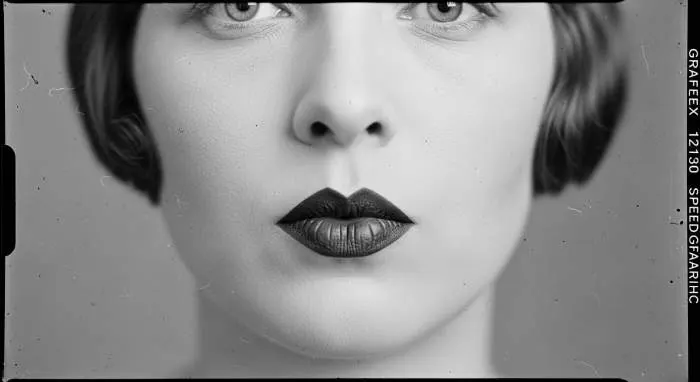
The Scandalous Shades: From Oxblood to Black Cherry
The colors of the Jazz Age were specific and moody. They weren't just red; they were narratives. If you want to capture the true spirit today, look for highly pigmented shades with a velvety, satin finish, not too glossy, not bone-dry matte. The goal is that rich, velvety depth.
Oxblood was the ultimate vamp shade: a deep, brownish-red that looked almost black in low light. Black Cherry was a true, deep purple-red, perfectly capturing the slightly bruised, bee-stung look. Plum, less red and more purple, was often favored by those mimicking the cool tones seen in early black-and-white films. If you're hunting for the best dark berry lipstick shades for a vintage look, look for modern lipsticks with names like 'Vampira' or 'Wine Not.' The deeper, the better.
The great thing about 1920s makeup is the intense focus. Everything was about the lips and the heavily lined, smoky eyes. Cheeks were kept pale or contoured with a harsh, straight line of blush. Eyebrows were plucked thin and drawn downward for a melancholic look. It was all about stark contrast and theatrical drama.
The Bee-Stung Lip: Artifice as Sophistication
The term 'bee-stung' is crucial. It implies a slightly swollen, pouty, yet small mouth. This aesthetic choice was completely counter to societal norms preaching natural beauty. It was a conscious embrace of the artificial, the theatrical, the manufactured. A nod to artifice as the height of sophistication.
The small mouth also played into the era's fascination with an elongated, lean, somewhat androgynous silhouette. Everything was streamlined except for that single, potent spot of color. The history of this look is tied to the rise of mass media. Before the 1920s, beauty standards were hyper-local. But once silent film stars beamed into every small-town theater, girls from coast to coast were copying the exact pout, making this the first truly viral beauty trend in history.
The Shockwaves: A Generational Divide in Rouge
Can you imagine the shock for a mother of that era? Your daughter, who once wore white cotton dresses, suddenly has a severe bob, a knee-showing dress, and a mouth painted a shade that suggests she might be capable of anything. The dark lip was inherently unsettling to the older generation.
It was associated with sin, immorality, and a dangerous lack of restraint. Every time a flapper applied that dark rouge, she wasn't just fixing her makeup; she was declaring her independence from the moral constraints of the past. It was a revolutionary act where a simple cosmetic choice became a loud political statement about female autonomy.
If you want a definitive guide on how to achieve the 1920s cupid's bow lip, remember the most important ingredient isn't the wax or the pigment, it's the attitude. You have to wear it like you just stole the keys to the city. The flapper lip was the cat's meow of cosmetic rebellion, setting the stage for every dramatic trend that followed. It proved that sometimes, the smallest tube of color can hold the biggest revolution. So next time you're feeling bold, grab the deepest berry you can find, paint that perfect tiny bow, and give a little nod to the gorgeous rebels who dared to put the 'scandal' back in scarlet.
Curious where the tube itself came from?
American inventor Maurice Levy patented an early sliding metal lipstick case in 1915, building on Guerlain's 1870 silk-tube pomade.
Mass production in the 1920s turned it into the handbag staple flappers carried everywhere.