The Whisper of a Past You Never Lived
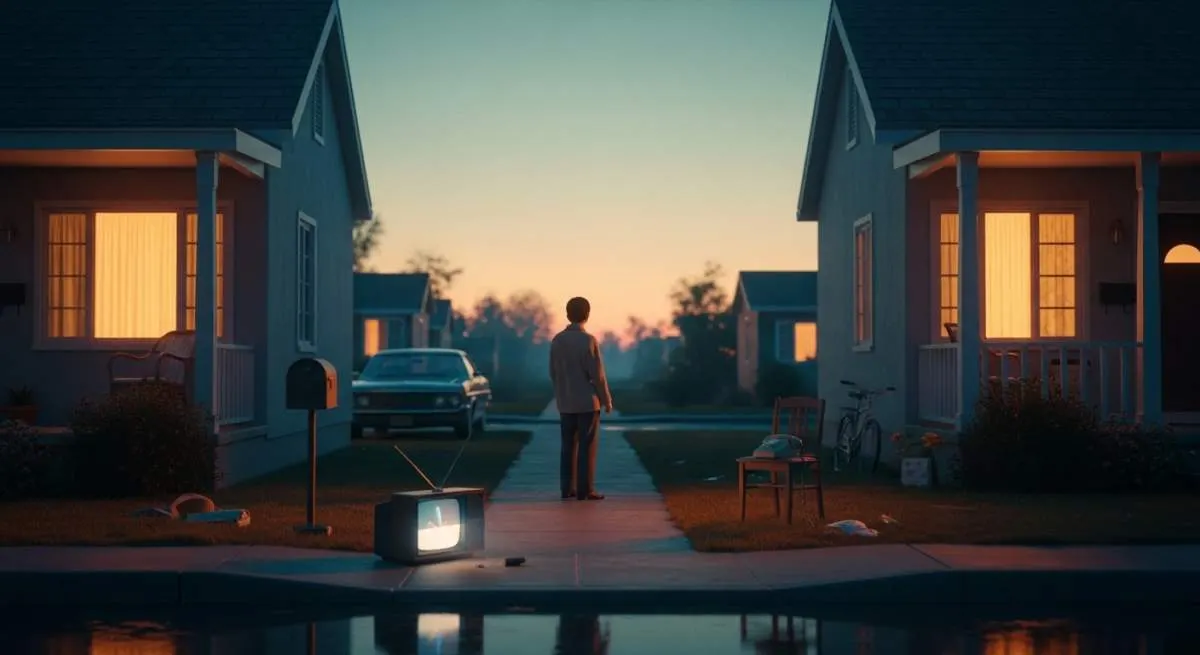
Have you ever watched a movie set in the 1980s and felt a pang of longing for a time you never knew? Or scrolled through photos of a 1970s disco and felt a strange sense of belonging to a party you never attended? This isn't just a passing fancy. It's a specific, powerful feeling with a name: anemoia.
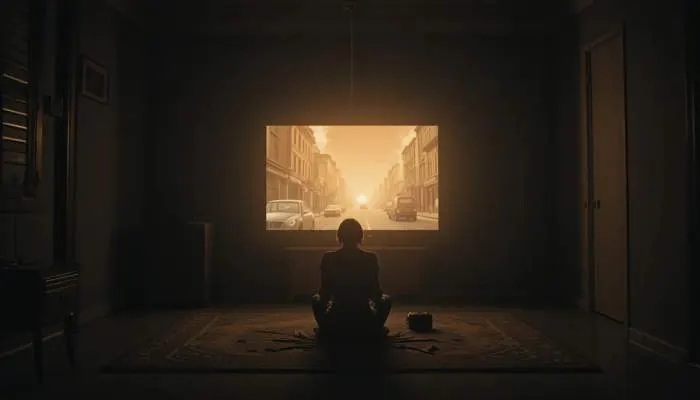
Anemoia is that peculiar ache of nostalgia for a time or place you have never personally experienced. It's a longing for a past that isn't part of your own memory, yet feels hauntingly familiar. You see the pictures, hear the music, watch the films, and suddenly you're yearning for a vibe you only know through a screen.
This emotional pull is shaping our world in tangible ways. Look at the fashion around you. The sequins and platform shoes of a 1970s disco revival are all over festival wear. The defiant flannel and ripped denim of 1990s grunge offers a refreshing counterpoint to today's polished influencer culture. Even Regencycore, with its corsetry and empire waistlines inspired by period dramas, is popping up everywhere, often styled with modern sneakers.
This isn't about replicating history. It's about filtering it through a modern lens, making it palatable, wearable, and shareable. It's taking the 'cool' bits and leaving the 'uncool' in the past, often creating something entirely new. I once saw a twenty-something in a streaming synthwave shirt, the shoulders styled with a cropped top and chunky sneakers. It looked bizarrely cohesive, like she'd hacked the fashion algorithm. The strangest part? Her walkman was just a prop; she was actually streaming the music from her phone.
Anemoia vs. Retro: The Emotional Divide
So, how does anemoia differ from simply liking retro trends? The distinction is crucial. Retro trends are about appreciating an aesthetic from the past. You might enjoy the look of a vintage car or the sound of a particular decade's music. It's an intellectual or stylistic appreciation.
Anemoia goes much deeper. It's an emotional, visceral pull toward an idealized version of a past you never lived. It's the difference between liking disco music and genuinely feeling, in your bones, like you belong on a 1970s dance floor under the glittering lights of Studio 54. It's a sense of belonging to a moment that existed before you did.
This blend of historical fascination and modern interpretation is how 'unlived' decades actively shape what we wear, what we listen to, and even how we imagine our lives. It's a powerful form of cultural inheritance, passed down not through genes, but through media, music, and shared stories.
The Manufactured Memory Machine
Why does this happen? Why do we miss a decade we weren't even born in? The answer lies in the powerful machinery of culture and media. Social media and streaming services act like unregulated dealers, offering a constant, curated hit of the past. They present highlight reels, conveniently editing out the inconvenient truths.
We see the freedom and glitter of Studio 54, but not the eventual crash of the disco era or the societal struggles of the time. We're drawn to these polished, romanticized versions. The feeling is potent and can feel intensely personal, even though its roots are largely manufactured. It's a shared, delightful hallucination of a better time.
I remember walking past an old, abandoned warehouse late one night. The moonlight hit the grimy brick in a certain way, and for a split second, I could almost hear a faint bassline thumping and see phantom sequins shimmering. It was total nonsense, of course, just a rundown building. But the feeling, conjured from a thousand movie scenes and photo albums, was undeniably real. That's the power of false nostalgia.
Is Anemoia a Real Condition?
Given its intensity, many wonder: is anemoia a real psychological condition? The answer is nuanced. Psychologically speaking, it is not an official clinical diagnosis like depression or anxiety. You won't find it in a medical textbook.
However, the intense yearning it describes is absolutely a real and widely recognized human experience. It's a potent form of longing, a deep appreciation for an era's aesthetic, its perceived values, or its imagined freedoms. The feeling itself is valid and very real, even if the past it longs for is a carefully constructed fiction.
This phenomenon shows how profoundly cultural artifacts can shape our emotional landscape across generations. We are constantly sifting through history's highlights reel, finding parts that resonate with our current desires or discontents, and then projecting ourselves right into the heart of them.
The Enduring Pull of "What If"
The legacy of anemoia isn't about longing for genuine hardship or demanding accurate historical accounts. At its core, it speaks to an enduring human desire for connection and meaning. It's a desire to belong to something bigger, bolder, or seemingly simpler than our present moment.
It's the echo chamber of "what if." What if I had been there? What if life felt that vibrant, that uncomplicated? We chase the ghost of a good time, a better aesthetic, or a world that likely never existed quite the way we imagine. From the embrace of low-rise jeans and tiny bags of Y2K fashion to the immersive worlds of streaming synthwave, we are all, in some way, caught in this beautiful, melancholic loop.
We are forever weaving threads from past decades into the fabric of our present, creating a personal tapestry that blends memory, media, and longing. Anemoia reminds us that our sense of self and style is not bound by our own timeline. It is a testament to the power of story, of image, and of the timeless human urge to find a place, even an imaginary one, where we feel we truly belong.
What is the difference between nostalgia and anemoia
The term 'anemoia' was coined by John Koenig in 2012 for his Dictionary of Obscure Sorrows, a project cataloging emotions that lack words. Unlike nostalgia, which is a bittersweet longing for your own lived past, anemoia is a wistful ache for a time you never experienced-a kind of borrowed memory from pop culture.