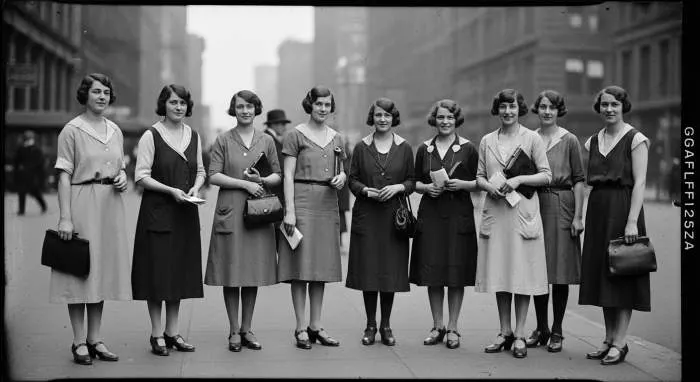
Flappers were the first generation of women to openly reject the rigid social rules of their parents' world. They cut their hair short, wore dresses that showed their knees, danced to jazz in speakeasies, and refused to apologize for wanting independence. More than a fashion trend, it was a cultural rebellion wrapped in beads and fringe, and it changed what it meant to be a modern woman in America.
From Gibson Girl to Flapper: A Generational Revolution
To understand the flapper's seismic impact, you have to look at the woman she replaced: the Gibson Girl. From around 1890 to 1910, she was the feminine ideal. The shift from one to the other shows how drastically everything changed in just a generation.
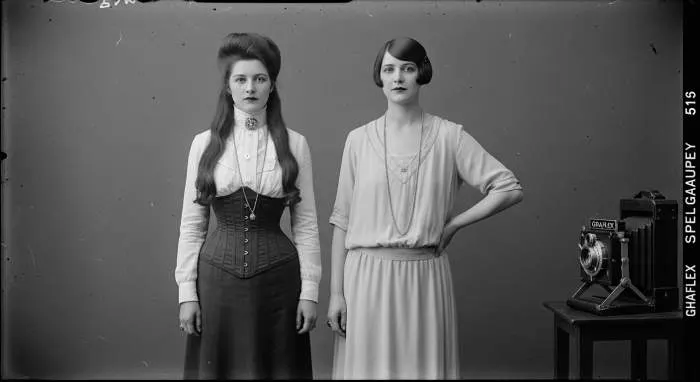
Where the Gibson Girl was about restraint, the flapper was about release. Her look was the difference between a formal waltz and a wild jazz jam session.
- Look: Tall, elegant, picture-perfect. Her hair was big and piled up high (that famous pompadour).
- Dress: Tight corsets, hourglass shape, long flowing skirts, high necklines. Beautiful but super restrictive, and you needed help just to get dressed.
- Vibe: Untouchable, reserved, feminine but delicate. She was the ultimate Edwardian lady.
- Activity: Playing croquet, having polite chats, riding horses side-saddle.
- Look: Slim, straight lines, full of energy. Her hair was short, sleek, and sharp (the bob).
- Dress: Loose-fitting, dropped waist, hemline at the knee (scandalous!). Super easy to slip on and off.
- Vibe: Approachable, fun, independent, and a little bit risky. She was the girl next door who could really throw a party.
- Activity: Driving cars, voting, sipping cocktails, and dancing the Charleston.
How Jazz Fueled the Flapper's Fire
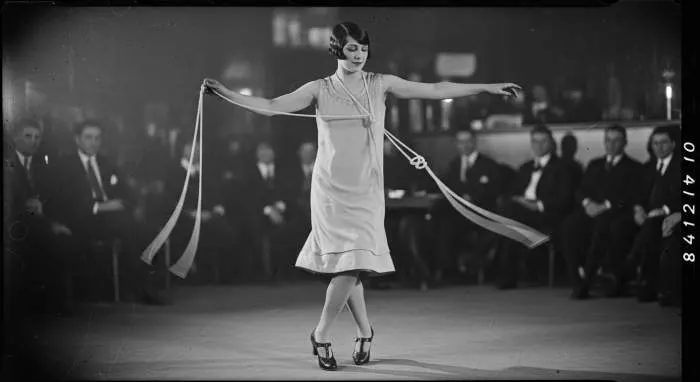
This was music that demanded movement. Dances like the Charleston and the Black Bottom required stamina and flexibility, and the flapper dress was designed for it. Short hemlines allowed legs to kick and spin, while beaded fringe made every shimmy and shake pop.
Flappers found their freedom in the speakeasies and dance halls where jazz ruled. The fashion wasn't just a costume; it was the necessary gear for a new, vibrant nightlife. Without that cultural shift, the flapper might have been a very different figure.
The Bob: More Than Just a Haircut
The bob haircut wasn't invented by flappers, but they made it their own. Before the 1920s, women with short hair were rare and often viewed with suspicion. Long hair was considered the mark of femininity and respectability.
When flappers cut their hair short, it was a profound statement. They were rejecting a societal rule that equated long hair with femininity and respectability. While the bob was practical for the dance floor or behind the wheel, its real power was symbolic: it was a visible declaration of independence from the previous generation's expectations.
Parents were often horrified. Some fathers forbade their bobbed daughters from leaving the house, and barbers who gave the cuts faced angry letters. Yet the trend spread like wildfire, driven by young women who embraced its modern, liberating feel.
The Cloche Hat: Defining the Flapper Silhouette
The cloche (that's French for 'bell') was the must-have hat of the time. It fit snugly and sat low over the forehead, often hiding the eyes.
It created a sleek, continuous line with the popular bob haircut. More than that, its low brim forced the wearer to tilt her head back to see, creating a cool, aloof, and mysterious vibe. It was also wonderfully practical, keeping a bob in place and protecting it from the elements while out dancing or driving.
Long Sautoir Necklaces: Adding Swing to Flapper Dresses
Flapper dresses often had high necklines or were simple straight shifts. A long, often knotted necklace (called a sautoir) was a must. It added length to the straight silhouette and, most importantly, gave you something that could swing and sway as you danced.
T-Strap Shoes: Made for the Dance Floor
Forget button boots! The T-strap shoe was made for dancing. The strap kept your shoe from flying off during an especially wild Charleston. Plus, they showed off a bit of ankle, which was considered pretty daring back then!
Bold Makeup as an Act of Defiance
Where the clothes were revolutionary, the makeup was absolutely scandalous. Before the 1920s, visible cosmetics were largely associated with stage performers and sex workers; respectable women used, at most, a little powder. The flapper rejected that stigma entirely.
- The Lips: They made the 'Cupid's Bow' famous, an exaggerated, tiny, sharp curve on the upper lip, usually in deep red or oxblood.
- The Eyes: Dark liner and shadow, the smoky eye was born here, giving Flappers a dramatic, slightly tired look that hinted they'd been up all night having a blast.
- The Cheeks: Rouge was applied heavily and low on the cheekbone, sometimes in circles, like a porcelain doll, but a doll that drank martinis.
It was the first time women openly touched up their makeup in public, pulling out a compact mirror to powder their nose right at the dinner table. This small, everyday act was another glorious piece of the rebellion.
More Than Fashion: A Fight for Real Freedom
The flapper movement coincided with major wins for women's rights. Women gained the right to vote with the 19th Amendment in 1920, right at the start of the flapper era. That timing was no accident. The same energy that drove women to demand the ballot also drove them to demand control over their own bodies, their own time, and their own choices.
Flappers wanted to work, earn their own money, and spend it as they pleased. They demanded the freedom to go out unchaperoned, to smoke and drink openly, and to date on their own terms. They insisted on being seen as full human beings, not just decorative objects. Their fashion was the most visible way they broadcast this new identity.
The flapper also represented a seismic shift in where women could go. Before the 1920s, respectable women didn't frequent bars or dance halls alone. Flappers claimed public spaces, speakeasies, jazz clubs, and even the streets, as places where they rightfully belonged. This freedom to occupy the public sphere was a radical change.
The Flapper's Legacy Lives On
The flapper era burned brightly but briefly, ending with the stock market crash of 1929 and the sobering onset of the Great Depression. Yet the impact of that short, dazzling decade was enormous.
The flapper was America's first truly modern woman. She championed clothes that were comfortable, practical, and suited for an active life. She normalized short hair and bold makeup. Most importantly, she proved that fashion could be a powerful political and personal statement all at once.
Every time a woman wears pants for comfort, chops her hair short for convenience, or slips into a simple dress that doesn't need layers of underpinnings, she's channeling a bit of that 1920s spirit. The freedom those groovy gals fought for, to dress as they pleased, to move without restriction, and to be seen on their own terms, remains a vital part of our story today.
What did flappers do for fun
Flappers flocked to underground speakeasies where they sipped bathtub gin and danced the Charleston until dawn. These secret clubs were often hidden behind unmarked doors or in basements, and getting caught by police meant a night in jail. The thrill of breaking the law was part of the fun.