
How a Moment of Frustration Created a Luxury Icon
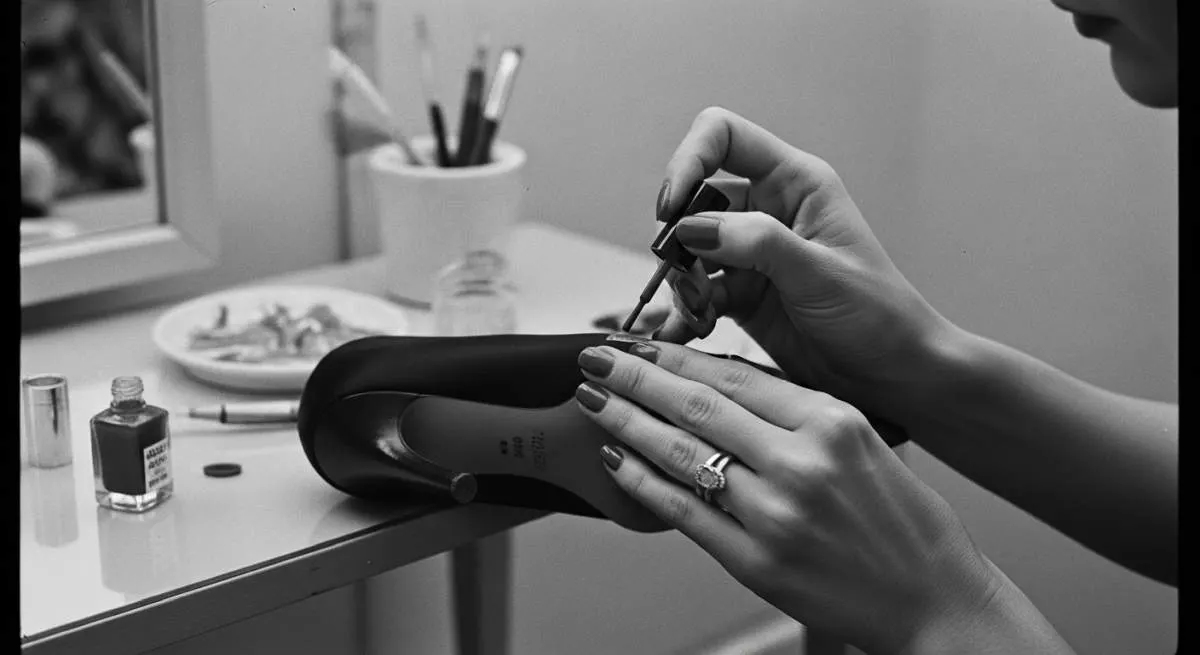
In 1993, Christian Louboutin was wrestling with a prototype shoe that felt unfinished. The shape was right, but it lacked a spark, a signature detail that would make it unforgettable. Spotting his assistant painting her nails a bright crimson, Louboutin grabbed the bottle on impulse and painted the shoe's sole. That spontaneous splash of lacquer didn't just solve a design problem; it accidentally created one of the most recognizable symbols in luxury fashion history.

What makes the story so compelling is that Louboutin wasn't trying to invent a trademark. He was simply chasing a feeling, that perfect pop of color to catch the light and the eye. The red sole worked because it was unexpected, bold, and utterly distinctive. Within a few years, that crimson underside became so closely tied to luxury and aspiration that it transformed how people thought about designer shoes entirely.
Why Red Became the Signature Color
Red has always carried weight in fashion and culture, signaling confidence, desire, and power. But Louboutin's choice was also deeply practical. The contrast between the shoe's upper and the vivid red sole created visual drama, visible when a woman walked, sat, or crossed her legs. It was a secret luxury, a hidden badge of status that only revealed itself in motion. Unlike a logo on the outside, the red sole was intimate, almost conspiratorial. You had to know what it meant to recognize it.
The timing mattered too. By the mid-1990s, luxury fashion was shifting. Logomania, the obsession with visible designer branding, was starting to feel dated. Consumers wanted subtlety paired with unmistakable prestige. The red sole offered exactly that: understated elegance with an instantly recognizable signature. It was luxury for people who didn't need to shout about their wealth.
From Accident to Trademark
What began as a spontaneous creative decision soon became a legal asset. Louboutin eventually trademarked the red sole in multiple countries, a move that was controversial but ultimately successful. The trademark established that the red sole wasn't just a design choice; it was intellectual property, a symbol owned and protected by the brand. This legal protection transformed the red sole from a stylistic flourish into a genuine business asset, one that competitors couldn't replicate without legal consequences.
The trademark also reinforced the brand's exclusivity. If you saw a red sole, you knew it was authentic. There was no ambiguity, no knockoff confusion. That clarity became part of the appeal, especially as Louboutin shoes became status symbols in celebrity culture and among affluent consumers worldwide.
How Louboutin Became a Global Phenomenon
Through the late 1990s and 2000s, Louboutin shoes appeared on the feet of celebrities, in fashion magazines, and eventually on social media. The brand didn't need massive advertising campaigns because the shoes advertised themselves. A glimpse of that red sole in a paparazzi photo or a red carpet moment was enough to spark desire. The shoe became a status symbol not because of a price tag, but because of its association with glamour, confidence, and a certain kind of effortless luxury.
The red sole also benefited from the rise of luxury e-commerce and global fashion media. As the internet made designer shoes more accessible to international audiences, Louboutin's distinctive design made the brand instantly recognizable across cultures and languages. You didn't need to read the label; the sole told you everything.
Celebrity Culture and the Red Sole Obsession
By the 2000s, owning a pair of Louboutins had become a rite of passage for certain circles. The shoes appeared in music videos, on television, and in the hands of celebrities who understood their cultural weight. The red sole became shorthand for a particular kind of femininity, powerful, aspirational, and unapologetically luxurious. It wasn't about comfort or practicality; it was about the statement the shoe made about the wearer.
he shoe made about the wearer.This cultural moment also coincided with the rise of luxury fashion as entertainment. Reality television, fashion blogs, and celebrity gossip made designer shoes into objects of desire in ways that traditional advertising never could. The red sole benefited enormously from this shift, becoming a visual symbol that transcended the shoe itself.
Styling Louboutins for Modern Evening Glamour
The classic evening look never goes out of style, but it's worth updating. Instead of the predictable cocktail dress, try a slinky silk slip dress layered under an oversized structured trench coat, paired with your most dazzling red-soled stilettoes. Or go for a sharp tuxedo jumpsuit. The red sole here elevates, punctuates, and adds that quintessential dash of drama, making every step a statement.
Color Pop and Pattern Play: More Than Just Red
Don't forget Louboutin's extensive range of colors and textures. A pair of leopard print pumps with a crimson sole can be perfectly styled with a monochrome outfit to let the shoes truly pop. Or match the red sole with a subtle red lip or a clutch for a cohesive, thought-out aesthetic. It's about creating visual harmony, even when playing with bold elements.
Ultimately, styling your Louboutins in the modern era is about embracing versatility and letting your personality shine through. It's no longer about rigid rules; it's about making those iconic red soles work for you, whether you're heading to a coffee date, conquering the boardroom, or hitting the hottest club in town. It's about injecting that little spark of luxury into your everyday, turning an ordinary moment into something extraordinary.
From Polish to Powerhouse: The Red-Soled Revolution
From a spontaneous splash of scarlet nail polish, we've witnessed the birth of an icon, a symbol of audacious style and luxury branding that continues to captivate fashion lovers worldwide. Christian Louboutin didn't just design shoes; he created a visual language that transformed a simple accessory into a powerful statement about aspiration, confidence, and timeless elegance.
It was a stroke of creative genius, an accidental triumph that proved sometimes the greatest innovations come from the most unexpected places. Who would have guessed that a moment of creative frustration would lead to a global empire? The red sole isn't merely a color; it's a defiant signature, a secret language shared among those who dare to dream big and walk tall.
This phenomenon reminds us all to look for the extraordinary in the ordinary, to seize those flashes of inspiration no matter how unconventional they seem. Because sometimes a seemingly small act can lead to something monumental, something that transcends trends and becomes utterly timeless. So next time you see that flash of crimson peeking out from under a skirt, remember: it's not just a shoe; it's a manifesto of style, creativity, and the power of a single bold choice.
Why did Christian Louboutin choose red for his soles
Red has been a symbol of power and passion for centuries, but Louboutin's choice also had a practical edge: he wanted the sole to mimic the forbidden allure of a woman's painted toenails. In an interview, he recalled that the red lacquer reminded him of the glossy, seductive finish of nail polish, a detail that felt both intimate and rebellious. This connection to personal grooming made the red sole feel like a secret shared between the wearer and the world.