The year was 1979. America felt a distinct cultural hangover. Inflation soared, and gas lines snaked blocks. Yet, disco kept shimmering. Its beat was a relentless pulse, a defiant, glitter-covered distraction.
This was not about music appreciation. It was a pure, visceral reaction. The air in Chicago was thick with a tension that mixed economic angst and pop culture fatigue. Disco had conquered the airwaves, but a backlash brewed among rock fans who felt alienated. They saw it as superficial, too polished, and frankly, too feminine. This brewing resentment needed an outlet, and soon, it found one.
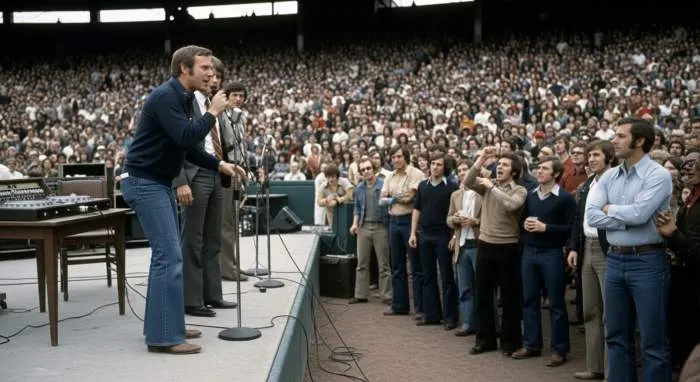
The White Sox home turf, Comiskey Park, became a crucible. Baseball was sacred, yet disco nights arrived. A local radio station, WLUP 97.9 FM, capitalized on this anger. Their DJ, Steve Dahl, hated disco passionately and channeled rock fan frustration into a massive stadium event.
How a Cheap Bet and Cultural Resentment Sparked the Disco Demolition Riot
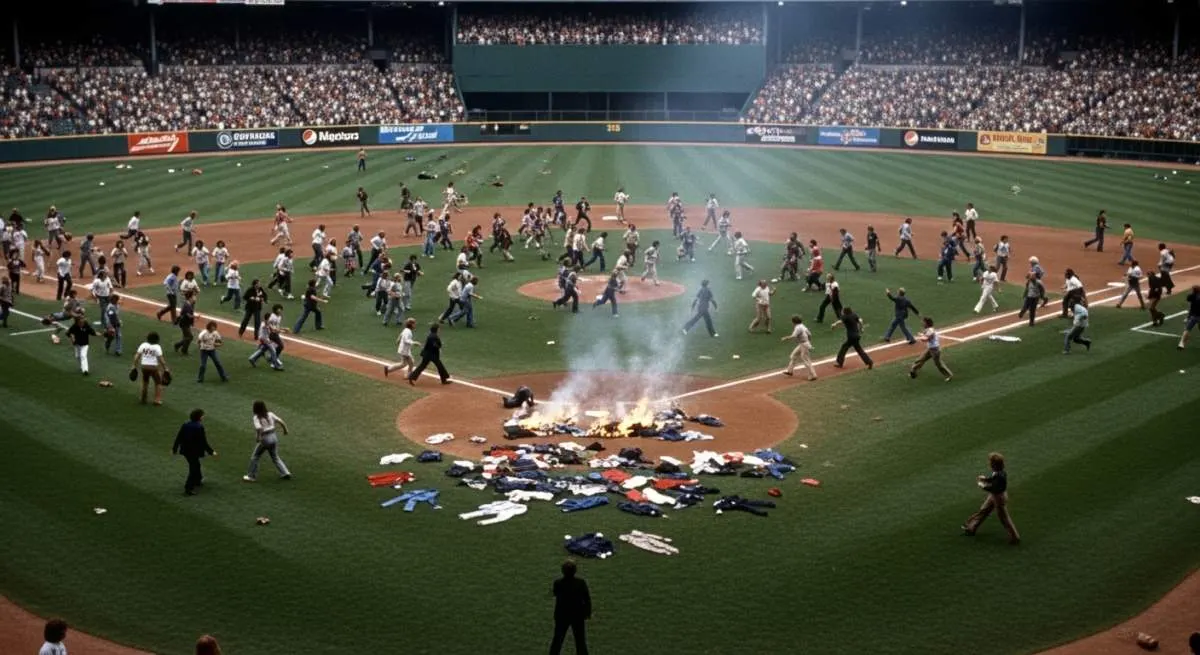
July 12, 1979. Comiskey Park prepared for a double-header and a modest promotion. Chicago radio station WLUP offered a deal: fans paid 98 cents to enter, needing only one disco record. This was Disco Demolition Night, promising a bonfire between games. The secret, however, ran much deeper than bad music: it was a powder keg of economic anxiety, shifting gender norms, and a radio DJ who knew exactly how to light the fuse.
The promotion was doomed from the start. It tapped into boiling cultural resentment. Radio DJ Steve Dahl, a vocal anti-disco crusader, led the charge with his partner Garry Meier. They gave voice to listeners who felt unheard and hated disco's slick dominance.
The Flawed Fuel: Records and Cheap Tickets
The core mechanic was a colossal misjudgment. Organizers estimated maybe 20,000 fans. Instead, over 50,000 people crammed in, with thousands more locked outside. The cheap tickets were a powerful draw, but the records themselves became projectiles and dangerous weapons. Boxes overflowed with vinyl on the field, an irresistible target. Fans smuggled in alcohol, and many were already primed for chaos. A feral energy buzzed in the air, building steadily through the first game. The promotion's design was flawed; it turned an event into a mob. The low price attracted a young, wild crowd who came for the spectacle and the chance to destroy disco, not for baseball.
The Unseen Spark: Cultural Resentment
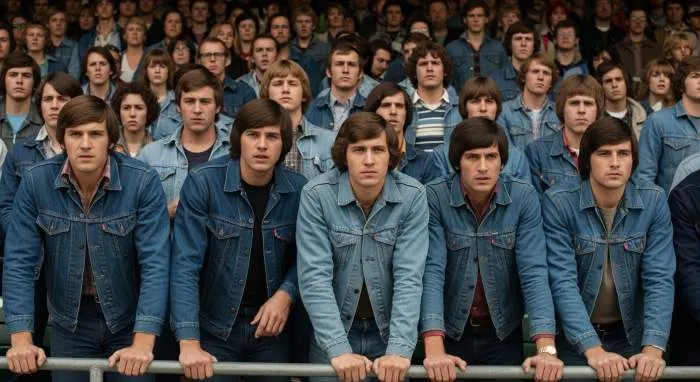
The true trigger was beneath the surface. Disco was not just music; it became a symbol of shifting social norms. Many rock fans felt alienated, seeing disco as superficial, too polished, and a threat to rock's perceived authenticity. This anti-disco sentiment hinted at deeper anxieties. Some saw it as a backlash against perceived elitism and changing demographics. The crowd was mostly young white men, many working-class, who felt their rock music and masculinity were under siege by disco's glamour. They felt disco was forced upon them, filling airwaves and dance floors while their rock heroes seemed to fade. The cheap tickets offered an outlet, a chance to reclaim culture and make a loud, defiant statement.
The Legacy: Comiskey's Enduring Cultural Ash
The riot at Comiskey Park ignited a cultural firestorm. This event became a powerful, messy symbol. News cycles buzzed for weeks, magazines dissected the chaos, and dramatic images of burning records etched themselves into the public mind. Music itself felt a profound seismic shift. Disco's commercial peak had softened, but Disco Demolition Night delivered a harsh blow. Radio stations swiftly changed formats, rock and new wave acts gained huge momentum, and the music industry pivoted fast. Some artists felt unfairly targeted, fueling an "us versus them" mentality.
Echoes on Screen and Stage
Hollywood often mines real-life absurdity, and Comiskey's riot offered dark comedy. Filmmakers subtly referenced the event's vibe; you might spot a similar scene in a period film where a character scoffs at disco records. It became shorthand for a genre's demise. I remember watching an old VCR tape of a silly 80s movie where a character dramatically tossed disco albums onto a bonfire. The scene felt so familiar, its cultural wink clear.
Street Style and Subcultural Snubs
Anti-disco sentiment permeated street style. Polyester suits became a distinct fashion faux pas, symbolizing everything out of touch. Punks and new wavers reveled in this shift; their ripped denim spoke volumes, signaling a fashion rebellion.
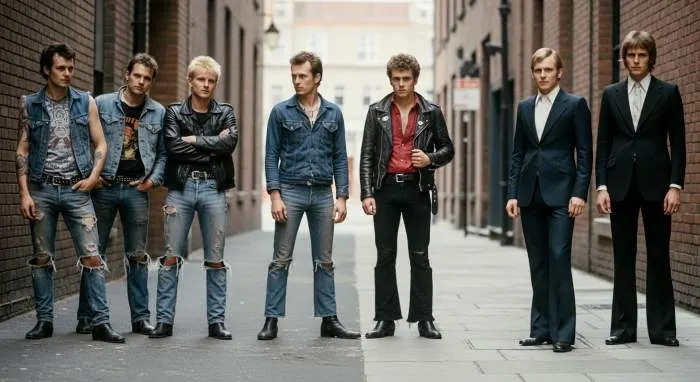
The event sparked a "disco sucks" mentality that gave rock fans a powerful rallying cry. This bold slogan appeared on T-shirts and graffiti across cities. The collective shout echoed for years, marking a cultural turning point and a generational divide. Comiskey's riot left an undeniable mark; its strange echoes surfaced for decades as artists and critics still unpack its deeper meaning. This unique incident shaped pop culture, and the sheer spectacle made it unforgettable, yet controversial.
- Late-night talk shows revisited the mayhem.
- Documentaries explored social dynamics.
- Bands included lyrical nods to the "disco inferno."
- Fashion designers played with "anti-disco" aesthetics.
- Sports commentators cite it as a wild stadium moment.
The incident remains a fascinating study. It highlights deep cultural tensions where music, sports, and fashion collided that night. Its legacy transcends a promotion; it marked an era's true end and started a messy new one.
Modern Revival: Culture Wars Still Burn
That infamous night at Comiskey Park was not just about records. It was a primal scream, a cultural clash played with fire. Today, we still feel that raw energy. Bonfires now blaze in digital squares, fueled by clicks and shared outrage. The desire for a cultural purge remains powerful. The core logic of that 1979 event remains similar: a dominant trend sparks intense backlash, and a collective urge to destroy bubbles up. It's a modern echo, clear and resonant, using different tools but with the same emotional effect.
Modern Cultural Backlash: How Online Cancellation Mirrors the Disco Demolition
Online "cancellation" or targeted boycotts operate today, mirroring the mob's fury against disco but lacking physical flames. A new artist or genre often meets fierce opposition online. Fans defend choices passionately, yet sometimes turn viciously on others. Gatekeepers of taste still hold court, their pulpits now social media feeds. This collective energy wants to tear down what it deems fake or overhyped, a passionate, messy declaration of a new cultural war.

This is not about disco anymore. It is about defining "cool" and "acceptable," drawing lines in the sand just as Steve Dahl did that night. The desire to purge unwanted culture is a powerful force. We still see fierce tribalism, now amplified globally.
Promotional Pyres: When Marketing Goes Wrong
Disco Demolition Night was a stunt gone wrong. Today, brands and influencers chase virality, sometimes with disastrous results. A tone-deaf social media campaign can ignite a global pile-on. Social media becomes the new Comiskey Park, ready to erupt with public scorn. A brand might try to be "edgy" and just look offensive, or a celebrity endorsement backfires, causing widespread cringes. That is the modern equivalent of Steve Dahl's ill-fated promotion. The spectacle of destruction was once physical records; now it is a brand's public image, burning just as brightly with damage that can be far more widespread. The internet never truly forgets.
This is about deep-seated, persistent human behavior. The craving for belonging is timeless, and the urge to reject is powerful. Collective identity finds new outlets as emotions adapt to current tech.
Speed and global scale are unprecedented. Information and outrage spread in seconds; a tiny spark becomes a raging wildfire before anyone reacts. The lines between fan and hater are thinner than ever.
A physical riot fueled by music? Probably not the same way. But a digital "demolition" happens weekly, affecting artists, trends, or major brands. The energy has shifted its volatile medium, but its destructive potential remains.