
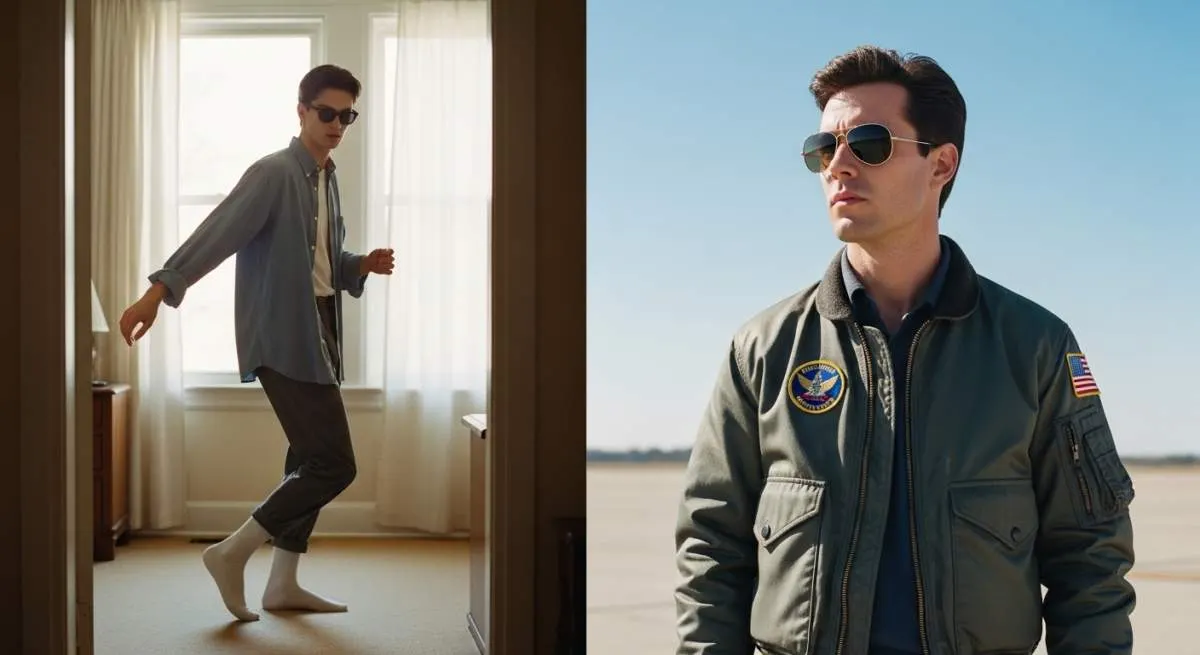
Some stories have a strange, almost unbelievable chill to them. The tale of how Ray‑Ban was saved from bankruptcy is one of those. Picture 1982.
Gas lines were a fading memory, but the recession wasn't. Interest rates hit double digits. Bankruptcy floated through boardrooms like stale smoke.
Ray‑Ban sat right on the edge of that cliff. Nobody wanted aviators anymore.
Nobody wanted Wayfarers either. They felt old, dusty, completely out of step with the new decade.
The mall was full of pastels and big hair, but Ray‑Ban's shelves looked like a thrift store reject. I remember finding a pair of Wayfarers at a flea market for three dollars back in '83. The lenses were scratched, the hinge loose, but I bought them anyway because they smelled like my uncle's car, vinyl, sweat, and old asphalt.
That's the thing about the early '80s: cool was fractured. Sunglasses had become cheap plastic or athletic wrap‑arounds. Aviators belonged to Vietnam vets and airport pilots.
So how does a dying brand claw its way back? It doesn't. It gets a second chance by pure accident.
The 1980s Vibe: When Sunglasses Weren't Cool
Ray‑Ban's problem wasn't quality. It was relevance. The company had been making the same frames for decades.
The market had shifted toward Italian knock‑offs and cheaper imports. By 1981, the brand was bleeding cash. Bausch & Lomb, the owner, seriously considered shutting the whole thing down.
The brand was weeks away from oblivion. A few frames, a desperate gamble on product placement, and a lot of luck saved a company that had no business surviving. It's a story that smells like popcorn, hairspray, and desperation. And it still tastes sweet.
The Secret: Tom Cruise, Not Marketing
Ray‑Ban didn't save itself. Hollywood did. But not in the usual way.
This wasn't a slick, paid placement. It was a last-ditch gamble. Bausch & Lomb was drowning in red ink by the early 1980s.
The Wayfarer style, once a 1950s icon, was now a relic. Kids wanted neon, not nostalgia.
The brand was dead weight on the balance sheet, hemorrhaging $10 million a year with no buyer in sight. Bausch & Lomb's board had already drafted the closure memo, but a single product placement gamble changed everything.
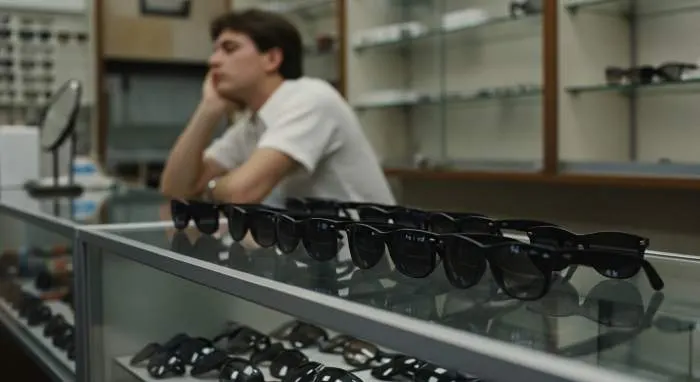
The Risky Business Gamble
The glasses weren't just props. They became a character, turning product placement into a cultural phenomenon that defined 80s fashion trends. In the film, Cruise's Joel Goodsen isn't wearing shades for the sun.
He's wearing armor. The thick black frame hides his fear. It gives him a swagger he doesn't actually have.
Audiences saw that. They wanted the armor. They bought the glasses.
Sales crept up. Ray‑Ban saw a flicker of life.
But the real explosion was still two years away. They needed a bigger stage.
The Top Gun Explosion
Then came Top Gun in 1986. The script called for Maverick to wear Aviators. The deal was almost nothing.
No massive fee. Just product placement. The studio thought it was background detail.
They were wrong. Tom Cruise slid those classic Ray‑Bans on inside the cockpit. Then he revved the engine.
The whole world stopped. The Aviator, a military relic from the 1930s, became the hottest thing on the planet.
The Legacy: How Hollywood Made Ray‑Ban Cool Forever
Ray‑Ban didn't just survive that bankruptcy scare. It earned a permanent spot in the cultural hall of fame. The brand became a visual shortcut for cool, rebellion, and quiet confidence.
You saw a pair of Wayfarers, and you knew the wearer had attitude. You spotted an Aviator, and you sensed a pilot's swagger or a rock star's arrogance. It was shorthand, and everyone spoke that language.
The films saved the company, but the aftershock was bigger. The Blues Brothers gave the Wayfarer a hilarious, soulful grit. Then Risky Business turned the same frame into a symbol of teenage ambition and chaos.
Tom Cruise slid across the floor in his shirt, socks, and those shades, and a generation memorized that look. It was iconic, and it was cheap to copy. Every mall had a knockoff, but the real deal mattered.
The Aviator lifted from functional hardware to erotic fantasy. Maverick and Goose wore them like armor. The Wayfarer became the unofficial badge of 80s indie rock, from Morrissey to Michael Stipe.
Madonna wore them in Desperately Seeking Susan. Jack Nicholson rarely left the house without a pair. 90s hip-hop adopted the Aviator, with artists like Biggie and Tupac wearing gold frames on album covers.
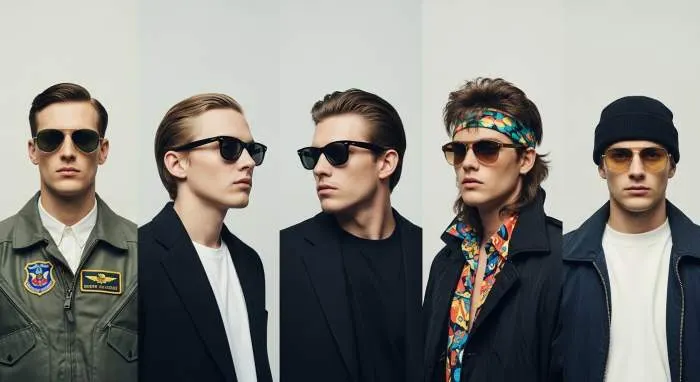
That last point matters most. Real cool isn't manufactured in a boardroom. It gets passed through thrift stores, swap meets, and grainy photos in indie magazines.
Ray‑Ban became a generational handshake, a secret code shared between strangers who both remembered that Risky Business slide or that Top Gun grin. Brands can't buy that. They can only earn it, and Ray‑Ban earned it twice.
Once on screen, and again every time someone picked up a worn pair and told a story. That's the legacy.
Modern Revival: The Same Old Magic, Just a Sharper Lens
The modern echo of the Ray‑Ban rescue isn't about buying a pair. It's about how a single, perfectly placed image can still outrun a thousand ad campaigns. Today that logic plays out on TikTok, in streaming series, and on Instagram grids. A character wears the right frame, and the brand flickers back to life. Nothing has changed, yet everything has.
The Product Placement Playbook Still Works
Netflix and Apple TV+ now run the same game Ray‑Ban mastered in the eighties. A show like Stranger Things drops a character in Ray‑Ban aviators, and sales spike within hours. The difference is speed.
Back in 1986, you had to wait for the VHS rental to influence a friend. Now a single frame gets screen‑grabbed, reposted, and turned into a buying impulse before the episode ends. The logic is identical: attach the product to a magnetic personality, let the cool rub off.
Yet the brand itself has stayed remarkably quiet. Ray‑Ban doesn't shout about its placements. It lets the moment breathe on its own.
That silence makes the association feel accidental, which makes it more powerful. A paid sponsorship would kill the illusion.
The revival, then, isn't about shouting louder. It's about being present in the exact right scene, then stepping back.
The Iconic Frame Never Faded
The Wayfarer and the Aviator have refused to age. That's not nostalgia. It's structural design.
The shapes are so simple, so neutral, that they become blank slates for personality. In the eighties they belonged to Tom Cruise and Val Kilmer. Today they belong to nobody and everybody.
A graphic designer in Brooklyn wears them the same way a fisherman in Maine does. The frame doesn't carry a decade on its back. It carries attitude.
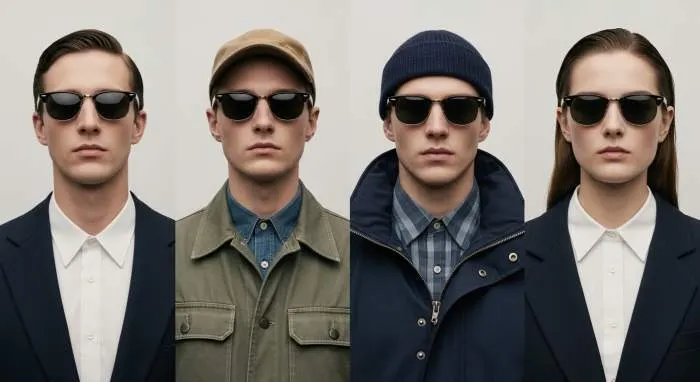
So the modern revival isn't a comeback. It's a continuation. Ray‑Ban never really left.
It just changed the way it showed up. And as long as a single frame of a cool person wearing Ray‑Bans lands in front of a viewer, the rescue will never need a sequel. It will just keep playing on loop.
How did Ray-Ban become popular again in the 80s
Before the Hollywood rescue, Ray-Ban had actually tried a 1970s ad campaign featuring celebrities like John Lennon and Audrey Hepburn, but it barely moved the needle. The real turning point came when Bausch & Lomb's marketing chief, Jim B. Smith, personally pitched the Wayfarers to the Risky Business costume designer over lunch-no contract, just a handshake and a prayer. That gamble paid off so fast that within a year, Ray-Ban's sales jumped from 18,000 pairs to over 360,000.