The Pulse of a Decade
The 1970s felt like a giant, glittering hinge between two worlds. The freewheeling optimism of the 1960s swung toward the sharp-edged materialism of the 1980s, and in that whirl of change, a new heartbeat emerged from the underground. It was a sound built on a relentless four-on-the-floor rhythm, a bass drum hitting every beat with unyielding purpose. This wasn't just music; it was a cultural quake called disco, and its epicenter was a woman named LaDonna Adrian Gaines.
Better known as Donna Summer, she became the undisputed Queen of Disco. Her voice was a force of nature, her music shattered conventions, and her glamorous presence forged an unbreakable link between the pulsating sound and the dazzling fashion of the era. To understand the disco phenomenon, you have to start with her.
A Movement Born in the Margins
Before it was a global craze, disco was a sanctuary. It sprang from the underground clubs of New York City in the early 1970s, created by communities seeking freedom and celebration. These spaces, primarily frequented by Black, Latino, and gay folks, offered a judgment-free zone to dance and be oneself. The music was a joyous, communal escape from the shadows of the Vietnam War and the Watergate scandal.
Musically, it was a rich fusion. Disco blended soul, funk, R&B, and Latin rhythms, often layered with lush orchestral arrangements. As the decade progressed, pioneering producers wove in electronic sounds, giving the genre a thrilling, futuristic edge. The world was hungry for release, and disco delivered a soundtrack for liberation.
The Making of a Queen
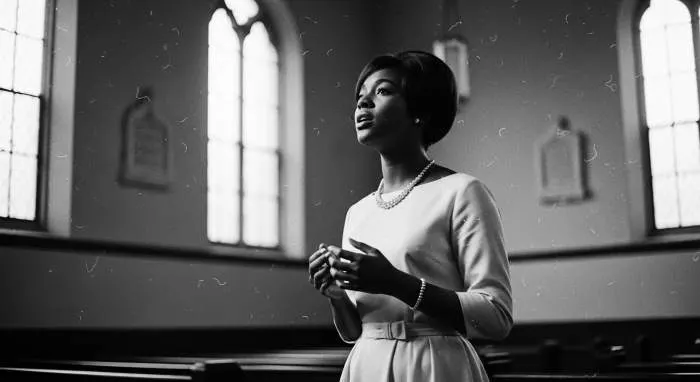
Donna Summer's journey to the throne began far from the neon lights. Born and raised in Boston, her powerhouse voice was first honed in the passionate choirs of her local church. In the late 1960s, she moved to Germany, a decision that would change music history.
There, she performed in productions like Hair and Godspell, sharpening her stagecraft. More importantly, she connected with producers Giorgio Moroder and Pete Bellotte. Their collaboration was nothing short of revolutionary. In 1975, they released "Love to Love You Baby," a track that was a complete game-changer.
The Sound That Defined an Era
"Love to Love You Baby" was a daring, extended groove built for the growing club scene. Its length and hypnotic repetition were a stark departure from radio-friendly singles. Summer's breathy, sensual vocals pushed boundaries and announced a star unlike any other. This track, and those that followed, perfected the disco formula.
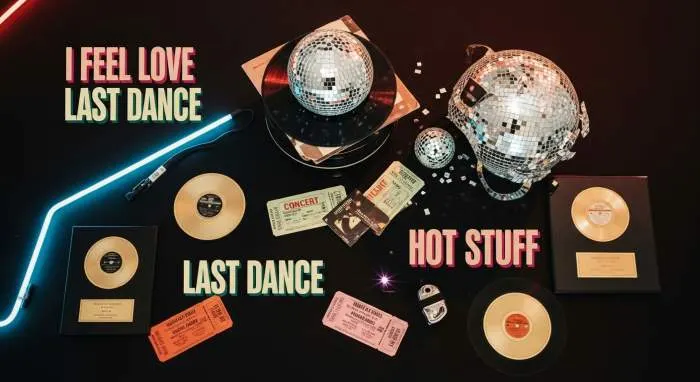
That signature four-on-the-floor beat, steady, driving, irresistible, provided the foundation. Layered over it were soaring strings, funky guitar riffs, and Moroder's innovative synthesizer work. The result was a sound that felt both deeply soulful and strikingly modern, a perfect blend of the organic and the electronic that kept dance floors packed for hours.
Glitter, Sequins, and Self-Expression
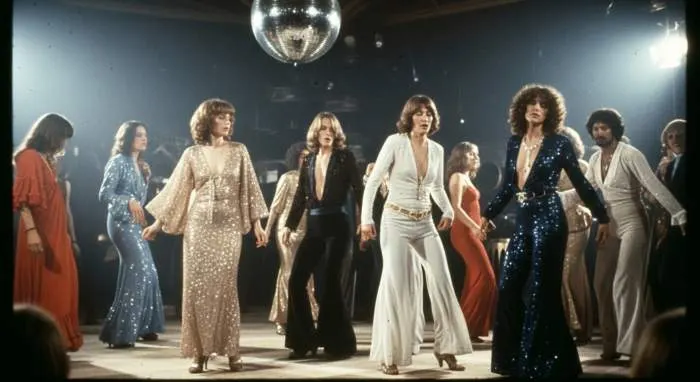
As the music evolved, so did its visual language. Disco fashion wasn't an afterthought; it was a declaration. The earthy bohemian styles of the early '70s were cast aside in favor of theatricality, sparkle, and a bold celebration of the body.
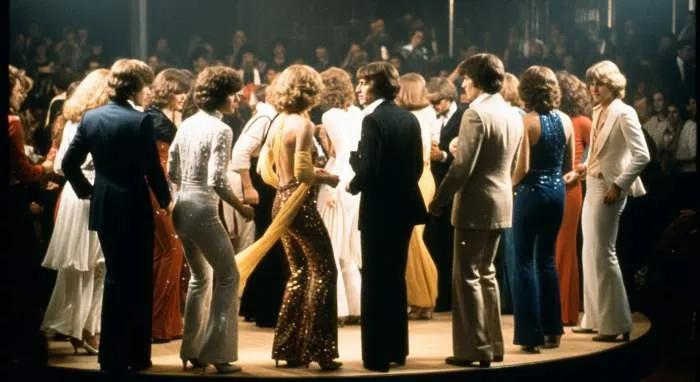
Synthetic fabrics like polyester, Lurex, and rayon ruled because they shimmered spectacularly under the lights. Wardrobes burst with wide-collared shirts, flared trousers, jumpsuits, halter tops, and hot pants. And of course, platform shoes were everywhere, adding height and a dramatic flair that just screamed disco.
Donna's Style Evolution
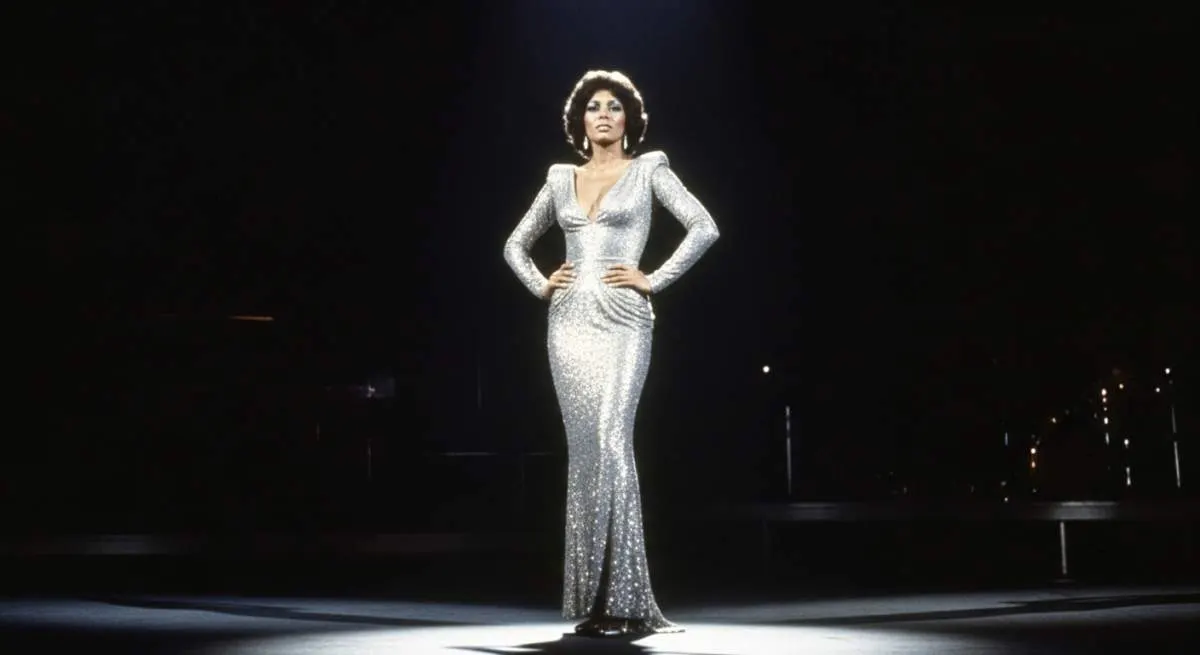
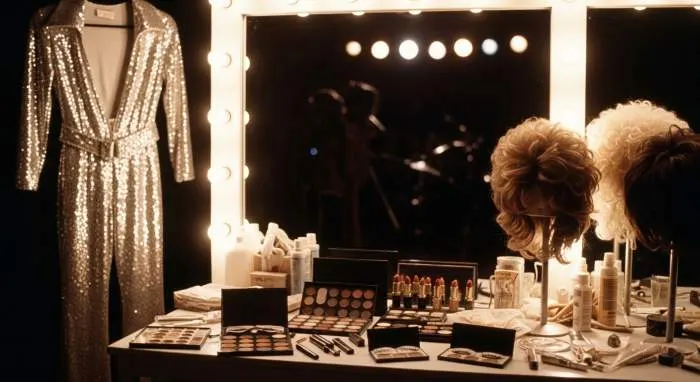
Donna Summer's personal style was a masterclass in this glamorous aesthetic. It evolved brilliantly alongside her career. Early on, during the "Love to Love You Baby" era, her image was deliberately sensual and provocative. She wore slinky, form-fitting gowns and flowing caftans, her hair voluminous, her makeup dramatic with shimmering eyeshadows and glossy lips.
As her fame skyrocketed with era-defining hits, her fashion matured into true icon status. She moved beyond provocation to polished sophistication. Jumpsuits became a signature, often custom-made and covered in sequins, they allowed freedom of movement while commanding every bit of attention.
Fashion as Storytelling
Her clothing choices were never random; they were extensions of her musical storytelling. For the futuristic, synthesized pulses of "I Feel Love," her look would take on a metallic, avant-garde edge. For the emotional crescendo of "Last Dance," she might choose a dramatic, flowing gown with a grand train. Every outfit amplified the song's emotional impact.
This sophisticated glamour seeped into the broader culture, influencing club-goers everywhere. Legendary venues like New York's Studio 54 became fashion battlegrounds where self-expression was everything. Summer's blend of high-fashion elegance and dance-floor practicality gave people a chic template to follow, encouraging a mix of opulence and liberation.
An Enduring Legacy
Donna Summer wasn't just a part of disco; she was one of its defining architects. Her incredible vocal range and stream of groundbreaking hits cemented her royal status. She had a gift for injecting depth into dance music, whether in the epic "MacArthur Park," the gritty "Bad Girls," or the romantic "On the Radio."
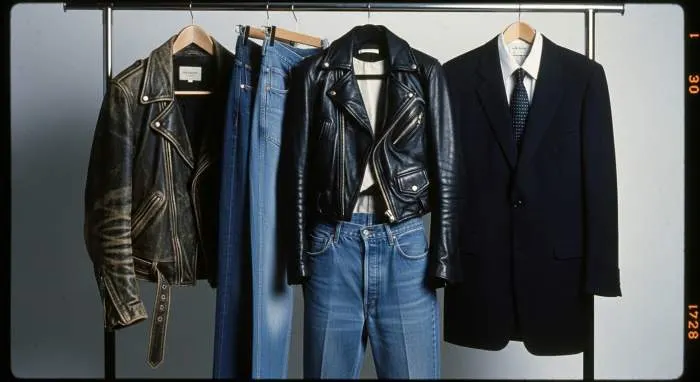
Her style continued to evolve, reflecting her artistic growth. By 1979's "Bad Girls" era, she adopted an edgier, more assertive look, leather jackets, denim, sharp tailoring, that matched the album's tougher, rock-influenced sound. This shift showcased her versatility as both a musician and a fashion chameleon.
The Foundation for Modern Pop
Even after disco faced a backlash, its influence, and Summer's, never faded. She navigated the 1980s with grace, exploring pop and gospel. More importantly, the production techniques pioneered in her work with Moroder laid the groundwork for house, techno, and contemporary pop. Artists from Madonna to Beyoncé to Dua Lipa have paid tribute to her sound and her blend of sensuality with empowerment.
Similarly, disco fashion keeps resurfacing. The high-waisted trousers, shimmering fabrics, and sheer joy of dressing up from the 1970s regularly inspire modern runways. Donna Summer's ability to combine sophisticated glamour with powerful, confident femininity remains a timeless touchstone.
She understood that fashion wasn't just about clothes; it was about creating a complete persona. From the sequined jumpsuits to the voluminous hair, every aspect of her visual presentation was crafted to complement her electrifying music. Her career mirrors the rise and evolution of disco itself, from underground sensation to mainstream explosion. Donna Summer didn't just sing disco; she embodied it, becoming its most dazzling and enduring ambassador. Her legacy is a testament to the perfect, timeless harmony of sound and style.
What was Donna Summer's first hit song?
Before she became the Queen of Disco, Donna Summer had a different dream: she wanted to be a painter. She studied art in Boston and even considered a career in visual arts before music took over. That creative eye likely influenced her bold fashion choices later on.