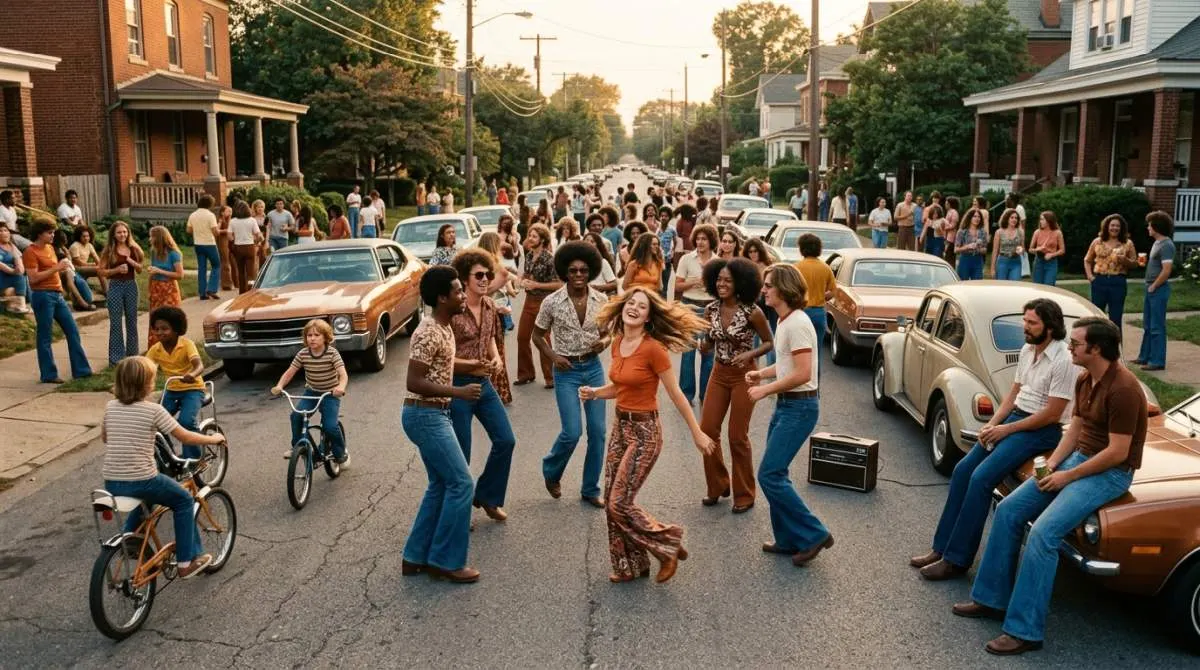
- The Era:A decade before smartphones, built around real places and everyday routines people shared
- The Hook:No algorithms or constant pings-people discovered things through other people
- The Secret:Fixing things, working with what you had, and cheap materials fueled a lively DIY scene
- Modern Echo:Gritty movies, fuzzy guitars, and dance music still borrow that raw, real feel
Why Did The 1970s Feel So Unsupervised?
The 1970s weren't without rules, and life wasn't carefree for everyone. That feeling of freedom came from something simpler: fewer systems were watching, sorting, and reminding you every spare moment. No smartphones in pockets. No social feeds at dinner. No map app silently correcting a wrong turn. You could leave home with one plan-and end up somewhere totally different.
Why Did Empty Time Matter?
Waiting was part of life. You waited for your favorite TV show, a long-distance phone call, a bus, a letter, or for a song to come back on the radio. Sometimes it got boring, but that empty space also let you doodle, daydream, read album liner notes, practice your guitar, or just people-watch.
That unfilled time made everyday objects feel more important. A notebook, a cassette tape, a camera, a bike, a stereo-they weren't just gadgets. They were tools for capturing a day, learning a skill, or sharing your taste. The decade's charm comes partly from remembering things that needed your attention-instead of delivering instant results.
What Made The Decade Feel So Hands On?
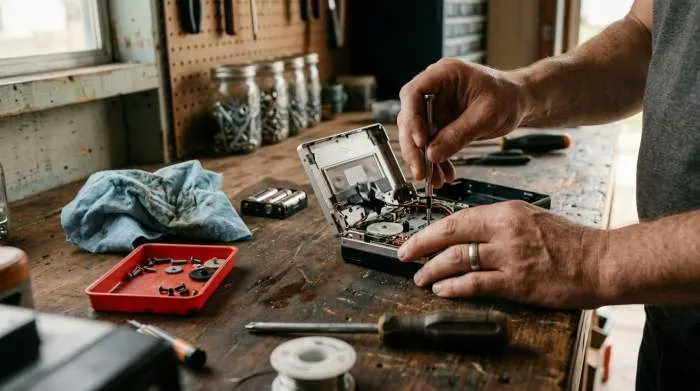
So many 1970s memories are tactile because everyday life asked you to handle things yourself. You altered clothes, repainted furniture, cleaned vinyl records, inspected your car, and tried to fix household problems with a screwdriver before buying something new. Not every repair worked, but the attempt itself built confidence through practice.
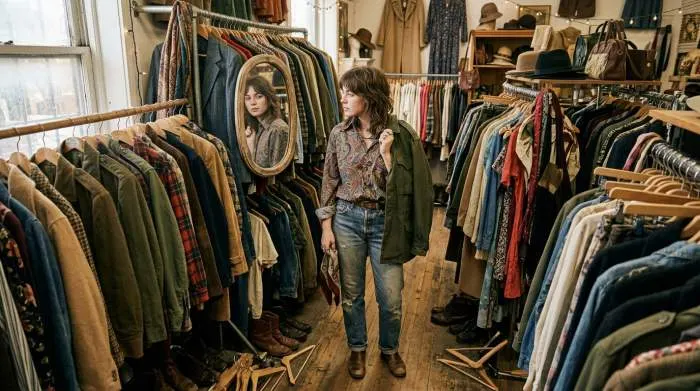
Economic pressures also pushed thrift and improvisation-though it varied by household and region. A decade can be both stylish and tough at the same time. Flared trousers, secondhand jackets, handmade decorations, and patched belongings weren't always about rebellion. Sometimes they were just ways to make things last or feel more personal.
Why Did People Repair More Things?
Repair felt easier when objects were familiar and their parts were visible. A loose wire, a worn seam, a flat tire, a tired hinge-each one was a little lesson. Parents, neighbors, mechanics, and friends passed on tricks that were practical, not glamorous. Knowledge moved by demonstration: watch once, try it yourself, remember what went wrong.
That habit changed how people related to their stuff. A repaired object carried evidence of the person who kept it working. Scratches and mismatched parts didn't automatically make it worthless-they showed it had survived a busy life. That's why modern repair culture often looks back at the decade with such fondness.
How Did DIY Become A Culture?
DIY wasn't one movement with one headquarters. It popped up in home projects, garages, record-making, customizing clothes, community printing, and informal music scenes. People made things because commercial options were expensive, unavailable, or too polished for what they had in mind. The result could be rough-but that roughness became part of the message.
A handmade poster or a tiny zine could feel more honest than a glossy ad. A band could sound more urgent when the recording captured the room, the amp buzz, and the imperfections. It wasn't about technical perfection. It was proof that ordinary people could create a look, a sound, or an idea without waiting for permission.
Music spread through records, radio, clubs, TV, and word of mouth. Different scenes overlapped but stayed distinct. Disco offered a steady beat and a polished night-out vibe; punk was fast and confrontational; funk made rhythm and groove feel central; singer-songwriters turned private thoughts into public songs. Those are broad labels, but the real point is that the decade let many moods live side by side.
Why Did Disco Sound So Physical?
That four-on-the-floor beat had already appeared in earlier soul and funk-but in disco, its steady pulse gave dancers a solid floor to move on. It wasn't about one invention, really. It was about arrangement, repetition, bass, percussion, and the energy of a room full of people.
That physical quality still travels well. Today's producers can use the same steady beat in a completely different song, much like a filmmaker can borrow the decade's warm film grain without copying the whole plot. The influence sticks because rhythm speaks fast-even if the listener knows nothing about the original club or studio session.
What Made Personal Style So Flexible?
1970s fashion loved contradictions. You could pair a secondhand jacket with a bright shirt, denim with a flowy blouse, or tailored trousers with handmade jewelry. Some looks were glamorous, some practical, many deliberately mixed. Clothing became a way to show your music taste, your community, your confidence-or your refusal to fit into one approved shape.
That freedom didn't erase social pressure. Race, gender, class, where you lived, and who you knew still shaped who could dress boldly and who faced consequences for standing out. An honest look at the decade includes both sides: the thrill of experimentation and the uneven cost of being noticed.
Why Does The 1970s Mood Return?
The decade keeps coming back whenever people feel surrounded by polished systems and hunger for evidence of human hands. Its visual language offers scuffed surfaces, imperfect recordings, bold colors, objects that look used rather than generated. Its social memory offers another draw: the fantasy of being unreachable for a few hours.
But that fantasy isn't the full picture. The 1970s also had economic anxiety, political conflict, environmental worries, discrimination, and everyday disappointments. Nostalgia picks its lighting. The useful takeaway isn't that the decade was better-it's that it shows how much culture can grow from limitations, local know-how, and unscheduled time.
What Do Modern Creators Borrow?
Filmmakers borrow warm colors, handheld camera moves, and the feeling that a street continues beyond the frame. Musicians borrow live-room texture, steady dance rhythms, and instruments that sound a little imperfect. Designers borrow flares, workwear, soft tailoring, and the joy of mixing pieces that were never sold as a matched set.
The best references are selective. A creator might take the decade's rough texture while keeping a modern sense of accessibility and consent. A viewer might enjoy the look of a thrifted jacket without pretending the past was equally welcoming for everyone. Borrowing works best when admiration comes with context.
How Can The Era Stay Honest?
Remember the decade through details, not slogans. Think of the sound of a cassette case snapping shut, the patience it took to tune a TV, the feel of a map folded too many times, or the satisfaction of fixing a loose handle. Those details are more convincing than any claim that everyone was wild, free, or offline in the same way.
The 1970s remain fascinating because they were unfinished. People improvised with the technology, money, materials, and communities they had. That's the real link to today: even in a hyper-connected world, there's still joy in making do, getting lost, fixing something, and choosing a style that feels truly yours.
What was the 1970s punk fashion style
Punk fashion in the 1970s emerged from London's underground clubs like the 100 Club, where bands like the Sex Pistols played to scrappy crowds. It wasn't just about ripped clothes or safety pins-those were deliberate statements against polished glam rock, repurposing everyday items like trash bags and bin liners as cheap, shocking outfits that announced a rejection of mainstream consumerism.