Quick Facts
- The Era:London punk scene erupted in economic collapse of the 1970s.
- The Illusion:Ripped clothes appeared cheap but took hours to perfect.
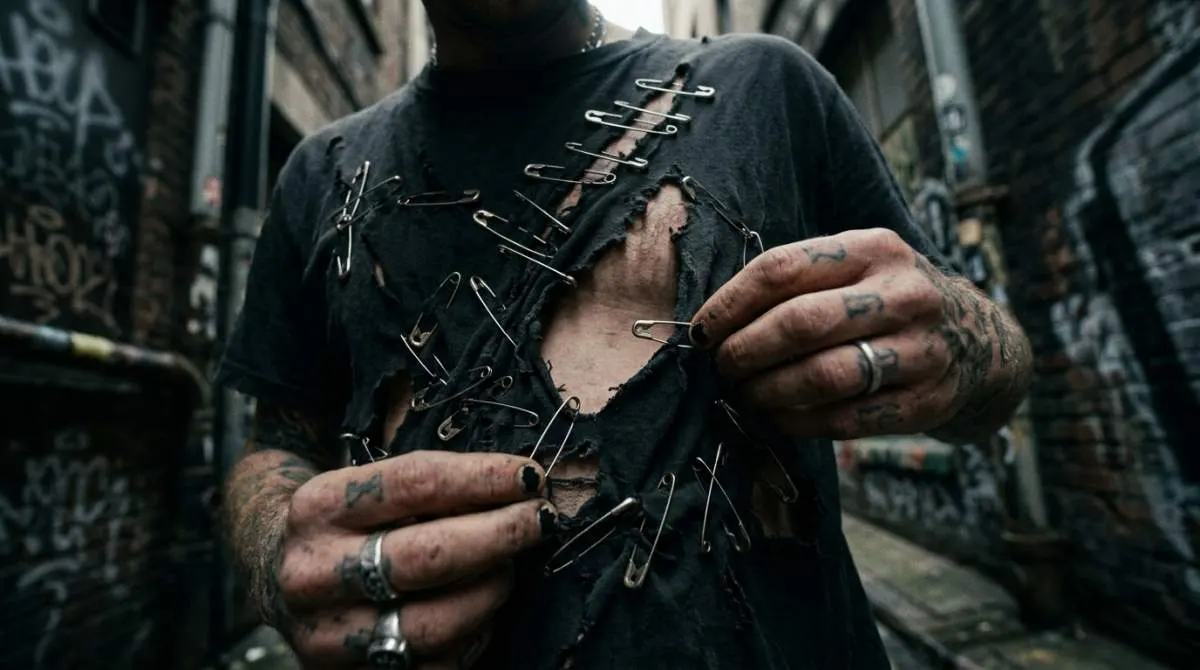
- The Reality:Safety pins were functional hardware turned into rebellious jewelry.
- Modern Echo:Versace's 1994 safety pin dress proved punk became high fashion.
Why a London Riot Soundtrack Felt Like a New Kind of Style
Some trends arrive with fanfare. The safety pins and ripped tees aesthetic slipped in through a side door. The air in 1976 London was thick with stale beer and unemployment.
The streets were gray, the economy was bust, and the radio felt like a lie. Then came the noise. It was a wet Tuesday night at the 100 Club, during the legendary Punk Festival of September 1976.
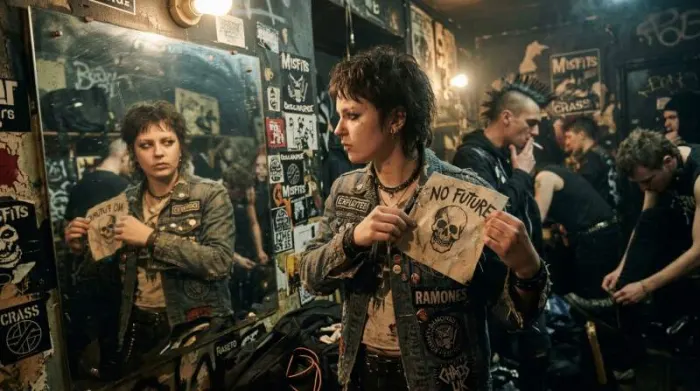
The room smelled of sweat, cheap leather, and disinfectant, a basement bunker against the world outside. I saw a girl with a dog collar around her neck. Her t-shirt was held together by a single safety pin.
She wasn't trying to be pretty. She was trying to be real. This was the core of the punk vibe.
It was a middle finger to bloated rock stars and the velvet ropes of disco. The atmosphere was deliberately ugly, yet brutally honest. People wore what they had, and they tore it up because they could.
The music was fast, the politics were angry, and the fashion was a weapon. It wasn't about looking good for the club. It was about looking like you didn't care about the club at all.
The economic collapse of the 70s was woven directly into the fabric of the clothes: unemployment hit 1.6 million in Britain by 1976, and punks turned scarcity into style by wearing ripped, pinned garments that screamed defiance rather than despair.
What Made the Safety Pin a Statement
You felt the vibe before you saw it. The sound of ripping denim was louder than applause. The smell of glue from homemade patches mixed with cigarette smoke.
Every outfit was a statement of scarcity turned into power. A torn sleeve wasn't a mistake. It was a choice.
The safety pin wasn't a repair tool. It was a piece of jewelry.
This was the moment the "trash" aesthetic became a uniform for the disenfranchised. Over at Vivienne Westwood and Malcolm McLaren's shop SEX on the King's Road, the pin was already being elevated from hardware to high concept, stitched into the very seams of the bondage trousers and Anarchy shirts. The press called it a fad.
They ran headlines screaming about moral panic. But the kids in the crowd knew better. They were building a world where the question of how punk fashion became high fashion was already being answered.
The answer was pinned to their chests. They were just waiting for the rest of the world to catch up.
The Secret: Why Ripped Clothes Actually Cost More Than New Ones
Punk fashion had a secret weapon. It was not just anger. It was a brilliant, cynical trick on the whole idea of value.
The look screamed poverty, but it cost a fortune to achieve in terms of time and labor. You couldn't just buy a ripped tee from a chain store. That was the point.
The secret was the sheer, stubborn effort it took to look that broken. Authenticity was the ultimate luxury.
How Do You Manufacture "Trash"?
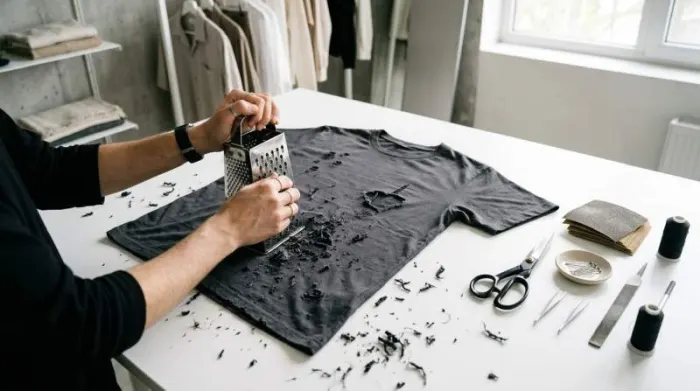
The real trick was the labor of destruction. Bands and their fans didn't just grab scissors. They bleached, they burned, and they slashed with razors.
They soaked shirts in tea and dragged them behind cars. Then they pinned everything back together. It was a performance of controlled chaos.
Every tear was a statement against the clean, perfect world of disco. And yet, that statement took hours to perfect. The irony was delicious.
You worked harder to look wrecked than to look polished.
The Pin That Held It All Together
The safety pin was the ultimate punk symbol and DIY fashion staple precisely because it was so ordinary. It was a baby nappy pin, a tailor's tool, a piece of hardware. To wear it on your face or your jacket was to declare that the rules of fashion were suspended.
Sid Vicious famously wore a safety pin through his ear, a look that was widely copied and widely condemned. It turned a functional object into a piece of jewelry, a piercing, and a threat all at once. The pin literally held the entire aesthetic together.
The High-Low Switch
This was the moment the fashion world's value system cracked. A silk dress from a Paris atelier was expensive because of the materials and the skill. A ripped t-shirt held together by safety pins was "expensive" because of the attitude it required.
You couldn't buy that attitude. You had to earn it. This philosophical shift-that meaning could be applied to an object rather than woven into it-is the direct ancestor of every streetwear drop and designer collaboration that followed.
The high-low switch was flicked in a sweaty club in London, and it never switched back.
How Punk's Trash Became High Fashion's Treasure
The strongest examples prove the aesthetic never really faded. Consider the Versace safety pin dress from 1994. Liz Hurley wore it, and the world gasped.
That single dress, held together by oversized gold safety pins, turned a punk fix into a million-dollar statement. It was the ultimate high-low fashion trick. Suddenly, ripped seams and exposed zippers were luxuries.
The irony was delicious, and the fashion world ate it up. Gianni Versace had effectively stolen a look from the street and put it on a red carpet, and everyone called it genius.
How Punk Fashion Changed the Rules
Punk didn't just influence designers. It taught everyone to question what "finished" meant. This single idea rippled through every decade that followed.
- The Versace safety pin dress launched a thousand headlines and cemented the idea that rebellion could be couture.
- 90s rave culture adopted the patchwork and DIY ethos, using smiley faces and massive silhouettes to rebel against the political climate of the time.
- Japanese designers like Rei Kawakubo made deconstruction a high art, creating garments with deliberate holes and unfinished seams that challenged the very definition of clothing.
- 2000s pop punk made the look a global teen uniform, diluted but widespread, worn by millions in the suburbs and malls of America.
- Modern streetwear sells pre-distressed goods at a premium, the ultimate fulfillment of the cynical trick. The irony is now fully commodified, but the spark was real.
These moments proved punk wasn't a phase. It was a permanent language of rebellion. And every time a star pins a jacket or tears a shirt, the ghost of '76 is right there with them.
That's a legacy you can't rip out.
Why Ripped Tees and Safety Pins Look Fresh Again
The Logic of Visible Mending
This revival is practical, not nostalgic. People now see a tear as a design opportunity. A deliberate rip on a denim jacket feels honest.
It acknowledges wear and tear as part of life. Safety pins become fasteners and decorations at once. They hold together a frayed hem or a broken zipper.
They also catch the light like a row of cheap jewelry. The effect is honest, and it looks intentional. You don't need a designer label to pull it off.
You just need a sharp eye and a steady hand. The result is a garment that tells a story. That story beats any fast-fashion tag.
The rise of visible mending and the slow fashion movement has brought the punk ethos full circle: mending is rebellion.

The Return of the "Trash" Aesthetic
Runways now borrow heavily from this logic. Yet the street version is more honest. A ripped tees and safety pins outfit on a subway platform feels real.
It has no stylist behind it. It has a person who decided to wear their mending as a badge. That's the quiet revolution.
The fashion world fetishized the look for decades.
Now the original spirit is back. It's not about looking poor for shock value. It's about refusing to pretend your clothes are perfect.
That refusal is still radical, and it still costs almost nothing. The high heels from last season sit unworn in the closet. The ripped tees and safety pins get worn every week.
That tells you everything about what matters now.
What does a safety pin symbolize in punk culture
Beyond its DIY function, the safety pin was a direct nod to the biker and rocker subcultures of the 1950s and 60s, where it was used to patch leather jackets. Punks adopted it as a symbol of solidarity with the working class, turning a humble household item into a badge of defiance against a crumbling economy.