
Quick Facts
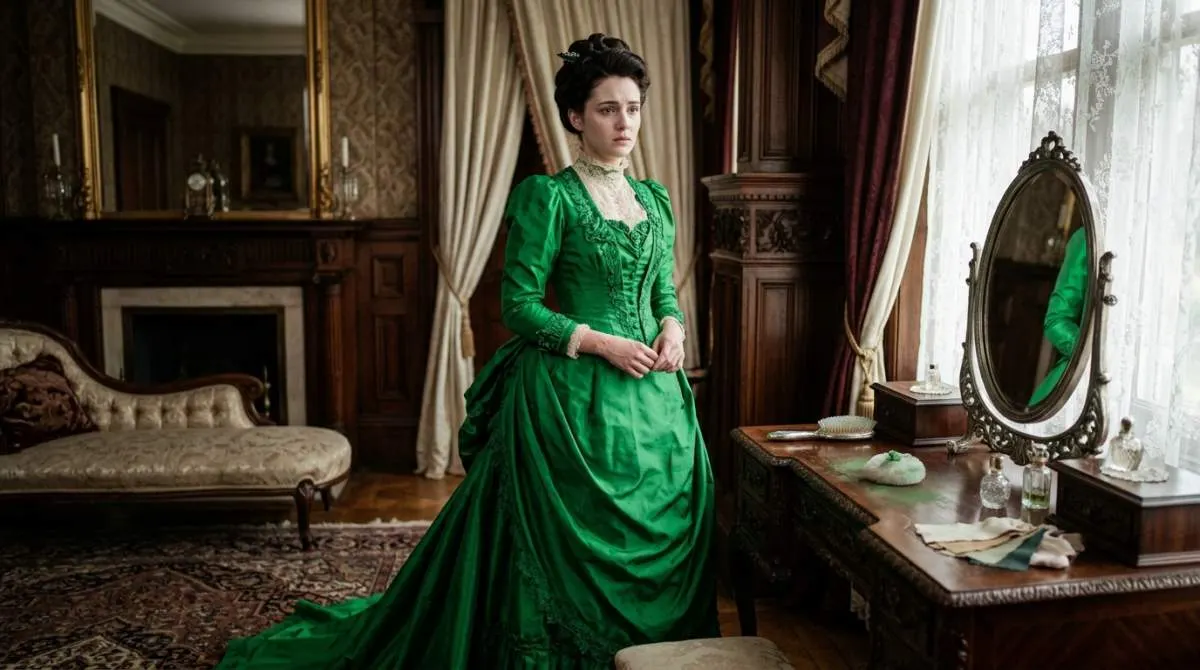
- The Era:In the 1860s, women wore green gowns dyed with arsenic.
- The Illusion:That brilliant green was a status symbol and a hidden poison.
- The Reality:Arsenic dust caused fatigue, flaking skin, and even toxic gas.
- Modern Echo:The color came back in 1960s fashion and Hollywood warnings.
Why Victorian Ladies Wore a Poison They Couldn't See
Picture a parlor in 1860. The gaslights hiss, and every woman wears a gown the color of a spring meadow.
That green is electric, almost alive, and it cost a fortune. But it wasn't made from plants. It was made from arsenic.
The Victorians, wrapped up in their love for bold new colors, didn't know that, of course. They only saw the glow.
That glow was a status symbol.
Natural greens faded fast, so a dress that stayed brilliant meant you had money. Yet the same dye that made a ballgown stunning also poisoned the women who wore it. Their skin flaked, their nails ached, and they complained of mysterious fatigue.
Doctors called it 'nervous exhaustion.' The real culprit was the pigment dusting their sleeves.
It was a perfect, miserable paradox: a toxic beauty that everyone admired and no one understood.
The Mood Behind the Mania
The era worshipped progress. Chemistry was magic, and factories churned out colors nature never intended. But that magic came with a price.
The same hands that stitched those gowns handled arsenic paste all day, and many dressmakers developed weeping sores on their fingers before they turned thirty. A few even died from inhaling the dust while cutting fabric, but their deaths were quietly blamed on consumption.
The same fingers that smoothed a daughter's ribbon carried poison into the nursery. It wasn't malice. It was ignorance wrapped in velvet.
The atmosphere of the age, breathless, experimental, and deeply superstitious, let it flourish.
How Arsenic Green Became Fashion's Deadliest Color Secret
The secret wasn't the color itself. It was how they got it.
That brilliant green came from arsenic, and the Victorians used it with reckless abandon.
They didn't just dye fabric. They mixed copper arsenite into wallpaper paste, candle wax, and even children's toys. The result was a shade so vivid it seemed to glow, but it was actively poisoning everyone who touched it.
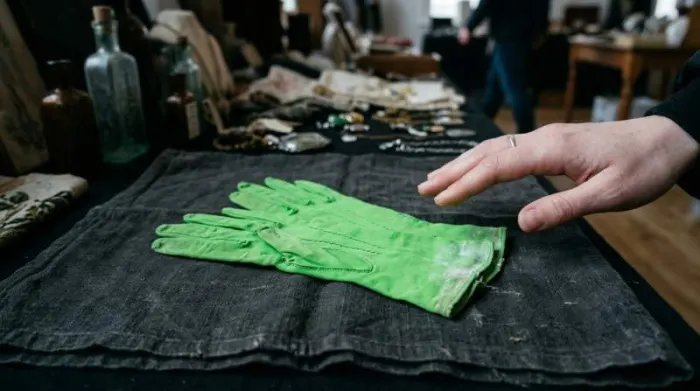
I once held a tiny 1860s glove at a vintage fair, and the green still looked electric. The dealer warned me not to put it near my face. That color was a chemical weapon disguised as luxury.
The Mechanical Trick That Made the Poison Spread
The real design flaw was how the color behaved. Arsenic green didn't stay locked in the fabric. It flaked off as a fine dust.
Every time a woman in a green gown sat down or danced, a cloud of toxic particles floated into the air. Wallpaper was worse. Damp walls caused the arsenic to release a gas that smelled faintly of garlic, but most people mistook it for mildew.
So they kept the rooms closed up, breathing in poison every night. Friction and moisture turned a gorgeous pigment into a slow-acting killer.
Why the Mad Hatter Fits Right In
That famous character wasn't just a whimsical invention. Hatters used mercury to soften felt for top hats, and the fumes caused tremors, slurred speech, and irritability. It was the same story with a different poison.
The Victorian fashion toxic colors phenomenon wasn't limited to one trade.
Dressmakers, milliners, and even children playing with green toys all suffered the same fate. The chemical brilliance of the color was also the very thing that made it deadly. Nobody saw the connection until bodies started piling up.
How Pop Culture Kept the Poison Green Alive
You can't kill a color that pretty, even if it tried to kill you first. Arsenic green found a second life in the 1960s, when psychedelia went hunting for the loudest hues on the shelf. The Velvet Underground's Andy Warhol crowd loved that sickly, electric shimmer, and they wore it like a dare. It showed up in cheap thrift-store silks, and nobody knew the history, but they felt the danger.
What Hollywood Understood About the Color
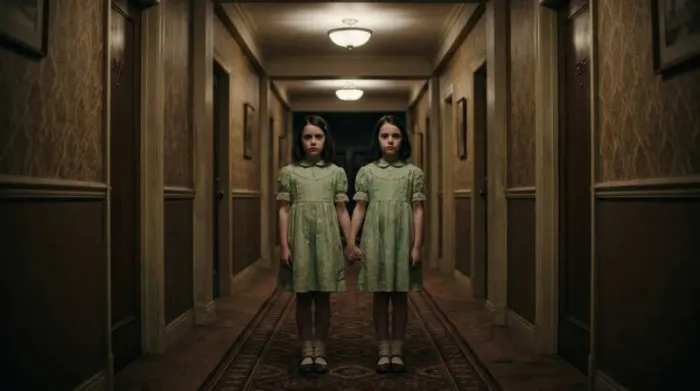
Hollywood never fully let the color go, but it used it as a warning. In 1980's The Shining, the Grady twins' dresses are a washed-out, milky green. It signals something rotten behind the lace.
The 1990 film The Grifters used a similar green in Anjelica Huston's wardrobe to suggest a woman who was beautiful, poisonous, and already halfway dead.
Music videos picked up the thread too. Kate Bush's 1985 video for 'Cloudbusting' featured a dress that leaned into that antique green, and it looked like it belonged in a glass case. The effect was deliberate: pretty, fragile, and slightly wrong.
How the Legacy Shows Up in Street Style
The 1990s grunge scene, with its obsession for thrift-store Victoriana, brought back arsenic green as a badge of authenticity. Kids in Seattle and London wore stained green dresses without knowing the story. The color just felt dangerous.
It was a quiet rebellion, worn on the sleeve. Here is how the legacy breaks down in the wild:
- 1960s Warhol Factory regulars wore arsenic green as a pop-art statement
- 1970s punk designers used it to signal anti-establishment rage
- 1980s horror films used the color to telegraph a hidden threat
- 1990s grunge and indie kids revived it through thrift-store finds
- Modern goth and alternative fashion still pulls it for its dark romance
That is the thing about a poison that looks like a jewel. It never truly dies. It just waits for the next generation to rediscover it.
Every time, someone asks the same question: why was arsenic green so popular in Victorian fashion. The answer is always the same. The Victorians loved the color more than they loved their own lungs, and pop culture has been flirting with that same bad decision ever since.
Why Modern Designers Still Reach for Poisonous Colors
The most natural echo of arsenic green isn't in a vintage dress. It is in the raw, unapologetic color choices of contemporary fashion houses. Designers today are obsessed with that exact, jarring shade of yellow-green.
It feels dangerous, unstable, and completely alive, and so it keeps reappearing on runways. I spotted a perfect silk blouse in that exact hue at a sample sale last spring. The fabric was so sharp it practically hummed, and I bought it before I could talk myself out of it.
This revival is rarely about historical accuracy. It is about emotional impact. That specific green signals a refusal to be safe or soft.
It is the color of a warning sign, yet it looks incredible against pale skin. Modern stylists use it as a deliberate shock, a way to break a neutral palette. They understand the visual power of a color that once killed people, and they lean into that tension.
It is not a costume. It is a statement about the beauty of risk.

But the revival runs deeper than a single shade. The entire logic of Victorian and Edwardian fashion has returned, but without the fatal ingredients.
High-necked lace collars, dramatic leg-of-mutton sleeves, and corseted silhouettes are everywhere. They are now made with safe dyes and flexible boning. We get the aesthetic without the slow poisoning, and so the revival feels like a victory lap for modern safety standards.
How the Look Survives Without the Risk
The practical revival relies on color theory, not chemistry. Designers now mix phthalocyanine green with a hint of yellow to nail that exact Victorian tone. It is a synthetic match that looks identical but causes zero harm.
A woman wearing that green today is not referencing wallpaper poison. She is referencing the boldness of a woman who wore it 150 years ago. The modern version is a tribute, not a copy.
Today, the phrase 'arsenic green dress history' brings up museum conservation guides, not obituaries. Curators openly discuss the dangers of handling original garments. That knowledge has become part of the garment's story.
When a designer shows a modern version, the audience understands the reference. It is a shared cultural wink. We know the old one could kill you, but this one only looks like it could.
That frisson is the entire point of the revival.
What did victorians use to dye fabric green
The Victorians used copper arsenite, a vivid green pigment known as Paris green, to dye fabric and wallpaper. This same compound was also employed as a pesticide on American crops in the late 1800s, a fact largely forgotten today.