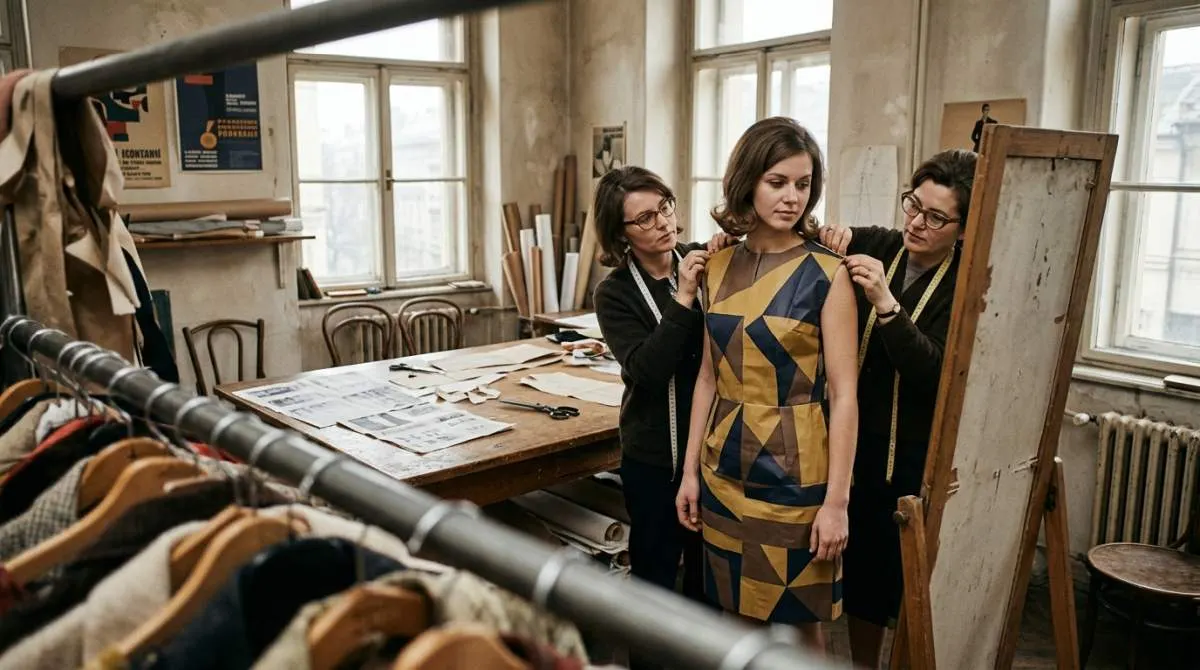
When Scott Paper Dressed America in Disposable Style
The first paper dress was not a rebellion. It was a marketing trick.
In 1966, the Scott Paper Company began selling dresses made from Dura-Weave, a cellulose material that felt close enough to paper to make the gimmick work. The idea was bright, cheap, and very modern: a garment you could wear, toss, and forget. For a moment, disposable clothing looked like the future.
The fad spread fast across the West, turning a practical joke into fashion history. It lasted about two years, from 1966 to 1968, and left behind a loud visual language of pop art and space-age promise.
That visual language traveled even when goods did not. East German planners noticed the paper dress craze, and they saw something useful: a way to offer young people a taste of Western style without admitting Western style was the point.
The American version showed how quickly a material novelty could become a style signal. It was not only a dress; it was a statement about cheapness, speed, and modern life. That is what made it so tempting to copy, even in a state that publicly distrusted Western consumer culture.
The paper dress also revealed a practical tension. It looked futuristic, but it behaved like a party favor. The trend burned brightly and then went out, which made the timing of East Germany's 1968 launch especially interesting.
The trend's brevity is part of its charm. Two years sounds short, but in fashion it can be long enough to saturate magazines, stores, and living rooms. By the time the East Germans adapted the idea, the paper dress was already carrying the scent of a finished experiment.
The East German Youth Shops Go Loud
In 1968, the GDR launched JuMo 68, short for Jugendmode 68, under the motto kess und farbenfroh, or cheeky and colorful. It was a state-sanctioned youth fashion collection, built to give East German shoppers something that looked new.
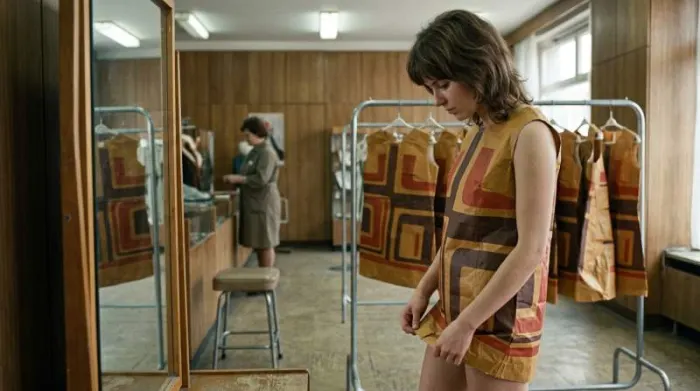
The headline item was a paper dress made from Vliesstoff, a non-woven fabric that behaved like paper but was not quite the same. The designs borrowed heavily from Western trends and Pop Art, with loud colors and patterns meant to be seen across a room. They were not meant to become heirlooms. They were meant to last one season.
The Junge Welt youth magazine joined the campaign in May 1968, promoting the Vliesett dresses as a test of the new fabric. That framing mattered. It let the state present a trendy, disposable garment as an experiment rather than an imitation.
For young East Germans, the dresses offered a small pocket of fashion rebellion. You could buy loud colors, wear them to a dance, and feel briefly connected to a wider visual world.
The JuMo 68 collection did not stop at one garment. It was a broader state-sanctioned youth fashion push, but the paper dress carried the most symbolic weight because it was the most visibly disposable.
The Vliesett dresses also carried a strange double message. They were meant to be colorful and cheeky, yet they were sold as a test of new fabric, not as a celebration of Western pop culture.
- The dresses were sold in newly opened Jugendmodezentren in eight district capitals and Berlin from April 1968.
- Young sales staff were placed inside the shops to help create a trendy atmosphere.
- Each paper dress cost 11.50 East German Marks.
- Buyers were told the Vliesstoff garment could be washed up to five times.
- Wearers were advised not to take the dresses into sports or cycling.
The campaign gave the shops a story to tell. Young customers could talk about the dresses as something experimental, something that belonged to the present tense rather than to the usual fashion rhythm.
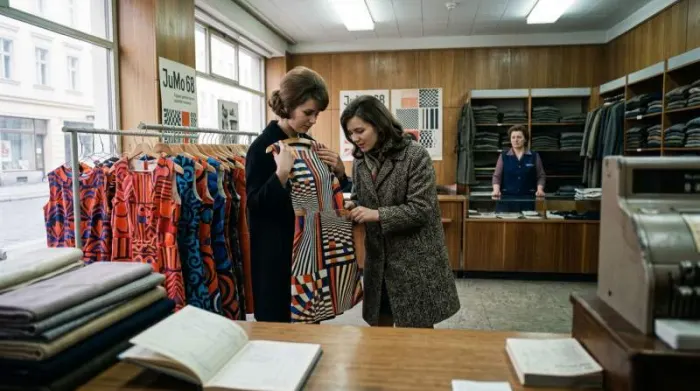
The state did not invent youth style, but it tried to package it. JuMo 68 gave the appearance of choice inside a system that preferred control, which is why the paper dress remains such a telling object.
The result was a paradox. The state criticized Western consumerism and Pop Art, yet it sold a dress that looked very much like their offspring. For a brief moment, a socialist youth campaign borrowed the vocabulary of the very trend it was supposed to resist.
Tape on the Inside, Tears in the Fad
The Vliesstoff paper dress was fragile in ways the campaign did not romanticize. The fabric could not survive a life of movement. The repair culture that grew around it was a sign of how much young people wanted to keep the look alive.
The fragility was the point, in a way. The dresses were intended for a single season, but a single season proved harder to deliver than the slogan suggested.
The practicality problem was hard to ignore. A garment that could not keep up with ordinary movement was always closer to a costume than a daily outfit.
The fad also ran out of novelty quickly. The Western paper dress craze lasted only about two years, and East Germany's version arrived near the end of that window.
The East German version arrived late enough to feel borrowed rather than leading. That timing did not make the experiment unimportant, but it did make it fragile in more than one sense.
Once the dresses tore, washed thin, or simply stopped feeling new, the experiment lost its shine. JuMo 68 did not become a permanent wardrobe. It became a footnote, a brief liberalization inside a tightly managed fashion system.
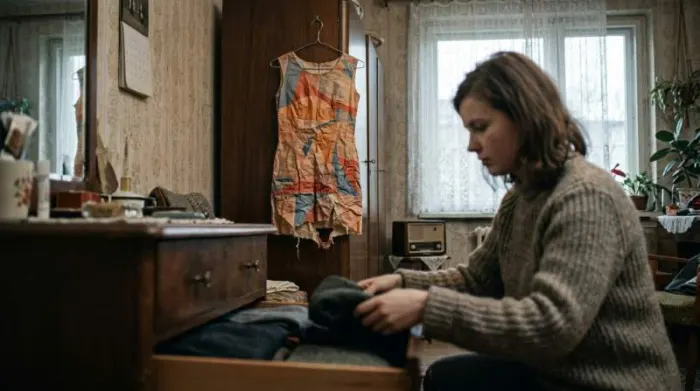
What remained was the contradiction. A state that wanted control had sold a garment that looked like freedom, even if freedom came in one breakable season.
What the Paper Dress Left Behind
The JuMo 68 paper dress reads less like a failed product and more like a cultural weather report. It tells you what a government thought young people wanted, and how far it was willing to go to keep them interested.
The paper dress also says something about how fashion history travels. It crossed a border not because one system approved of another, but because style can leak through advertising, magazines, and the simple fact that young people notice what looks new.
East German youth fashion had rarely looked so loud. The JuMo 68 paper dresses were not just clothes; they were a state-run attempt to make modernity feel personal.
The dress was disposable, but the idea behind it was not. Loud colors, pop-art shapes, and youth-focused retail had already changed the visual language of the late twentieth century. East Germany borrowed that language, then tried to make it serve a planned economy.
In vintage fashion, the garment looks almost unbearably earnest: a paper dress with a state label, trying to be cheeky. It survives as evidence of a moment when the Iron Curtain got a little transparent.
The object is easy to misread as a joke. It is funnier than that. It shows how a planned economy tried to stage spontaneity, complete with loud colors, a promotional campaign, and a garment designed to fall apart.
You can still spot its echoes in later experiments that mix rebellion with retail, from disposable novelty clothing to carefully staged youth campaigns. The JuMo 68 paper dresses did not change the wardrobe of a nation. They changed the way a wardrobe could be read.
The legacy is not a wardrobe revival. It is a lesson in how quickly a symbol can become dated: a dress meant to look modern by being disposable, and remembered now because it could not last.
Sources
- Paper dresses · V&A
- Paper Fashion in the 1960s: The Genesis of Fast Fashion, Cornell Fashion + Textile Collection
The sources we read for this article.
What did a paper dress cost in 1968?
A single paper frock could set you back about a dollar and a quarter, which felt like a steal next to a cotton number. Shoppers loved that they could toss it after a party or two, making it the ultimate disposable thrill of the season.