
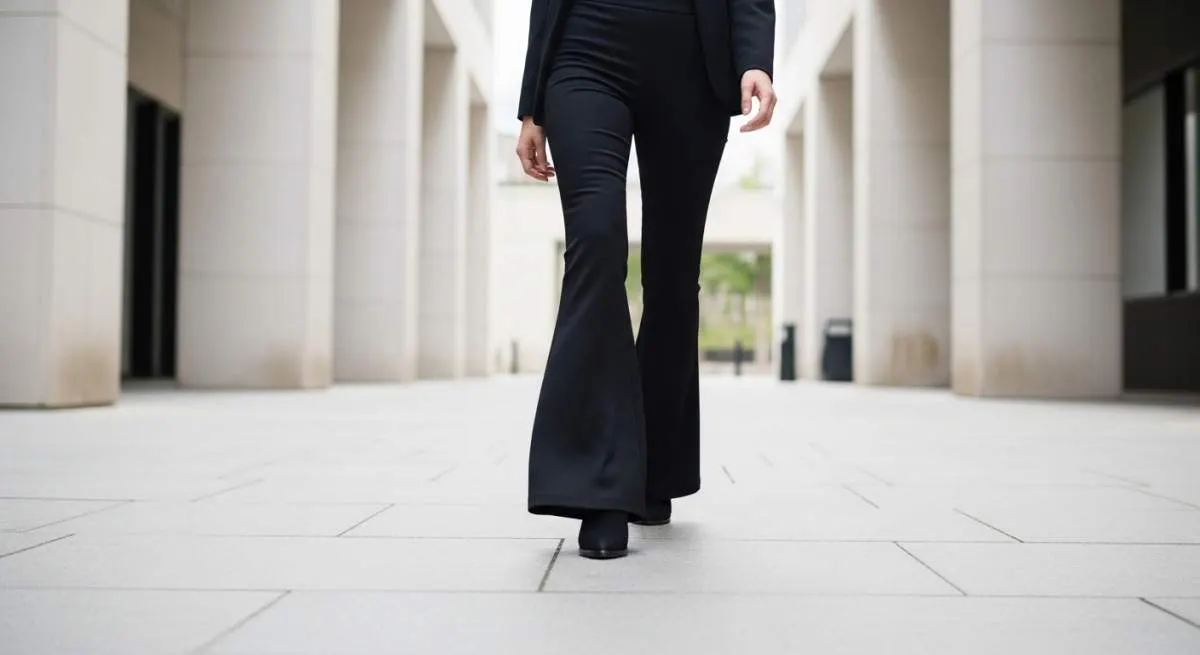
Groovy Glamour and Its Grotesque Shadow
The music world fell hard for bell-bottoms. ABBA famously rocked exaggerated flares, and rock gods like Robert Plant made them look effortlessly cool. Their stage presence amplified the free-spirited vibe. Later, when musicians started sampling 70s sounds, the look came back, a visual nod to their influences.
On stage, the flare did real work, too. Wide hems swallowed the footlights and made every kick look bigger. Singers could stomp, spin, and strut without tripping over skinny hems. The silhouette earned its keep long before the cameras loved it.
The 90s and 2000s Revival of the Flare
Then things got wonderfully strange. The 1990s brought a massive 70s revival, and bell-bottoms were suddenly everywhere-but with a fresh twist.
Celebrities like Gwen Stefani and Jamiroquai brought the look back. Magazines featured glossy wide-leg pants, and fashionistas paired them with tiny crop tops or chunky platforms. It was a direct homage, yet entirely new. Of all the vibrant 70s trends, bell-bottoms made one of the strongest comebacks.
This resurgence wasn't just for vintage lovers. It morphed into the early 2000s' flare jeans' trend, often low-rise, hugging the thigh, then gently flaring. Pop stars like Britney Spears and Christina Aguilera wore them constantly. They defined that decade's look and proved the bell-bottom's adaptability.
Even today, bell-bottoms make regular appearances. Designers revisit the silhouette on runways, and street style stars find fresh ways to wear them. They're a timeless look that keeps reinventing itself, a statement of rebellion and joy. The bell-bottom's legacy is a long, happy dance that keeps grooving through every decade.
Ask anyone who lived through both waves and they will tell you the second one felt different. The 70s wore flares as a uniform. The 90s wore them as a quote, a wink at their older siblings' closets. Both worked, which says everything about the shape itself.
Modern Revival: Styling 70s Bell-Bottoms for 2026
We remember the fear. The dreaded Austin Powers comparison looms. Styling bell-bottoms today means shedding that costume vibe for a fresh, modern interpretation. We're not recreating a period piece.
The key is proportion and unexpected pairings. Bell-bottoms are a statement piece that grounds your entire outfit. Your other choices then elevate the look, avoiding the 'theme party' trap.
Here is the honest test, darling. If your outfit needs a time machine to make sense, edit it down. Keep one era piece and let the rest live in 2026. A bell-bottom with a crisp white shirt and clean sneakers reads as style. The same bell-bottom with six fringe details reads as a joke someone else is in on.
Flared Fabrics: Beyond Blue Denim
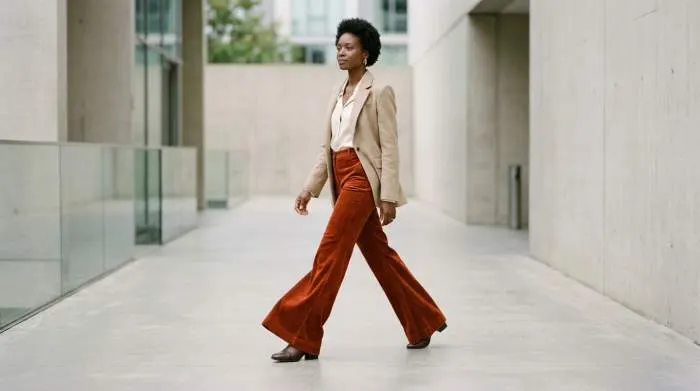
Stiff, dark denim is no longer the only option. Modern bell-bottoms embrace varied textures. You'll see lovely corduroy versions now, and sometimes soft, draped twills. These fabrics lend a refined feel and move beautifully as you walk. Consider rich jewel tones, not just faded indigo. A deep emerald or burnt orange can be stunning.
Texture changes the whole mood of the leg line. Corduroy catches light in soft ridges and feels straight out of a 70s classroom. Draped twill moves like a dress fabric but wears like denim. Choose the hand feel first, the color second, and the trend last.
The Perfect Rise and Flare
The fit around your hips matters most. High-waisted styles reign supreme now. They elongate your legs gracefully, creating a flattering silhouette. The flare itself should be balanced. A dramatic flare feels fashion-forward, yet a subtle bootcut is always chic. Choose what flatters your frame best.
Rise matters more than people expect. A high waist does the shaping work silently, so nothing digs or pinches when you sit. Low rises were the 2000s answer, and they fought the flare the whole way down. Trust the decade that invented the shape.
Styling Secrets for Today's Look
Pairing your flares takes some thought. Contrast is your best friend. A fitted top often works wonders, balancing the voluminous leg. Try a sleek, tucked-in knit top, or a slightly cropped blouse looks fantastic. These choices keep things current.
For cooler evenings, layer a structured blazer over the whole look. It sharpens the silhouette without any retro overtones.
A chunky knit sweater can also work, but keep it tucked to maintain your waistline. For shoes, platforms are still your go-to. They add essential length. Pointed boots peek out stylishly from the hem. Even sleek sneakers create an urban edge. It all depends on your mood.
Accessories should feel intentional, not an afterthought. A wide statement belt defines your waist and pulls the whole look together smartly. Simple gold jewelry adds glam. Avoid anything overtly retro. A classic shoulder bag works perfectly. We're going for chic, not a disco inferno costume. That's what makes these groovy threads feel fresh.
Jewelry should whisper the era, not shout it. One chunky ring beats a stack of bangles. A slim scarf at the neck does more than a vest covered in patches. When in doubt, take one accessory off before you leave the house.
Luckily, today's options are sophisticated, no frantic scissor work required. The modern revival is truly effortless. Embrace the return of the flare. It's a powerful, comfortable silhouette that celebrates movement and self-expression. Wear them with confidence and a modern twist, and you'll easily avoid retro pitfalls.
Did you know? The 1970s were a complex decade where bell-bottoms weren't just a fashion statement, they were a symbol of rebellion against rigid social norms. Activists and artists wore them to express individuality and freedom of movement.
Why were bell-bottoms popular in the 1970s
Bell-bottoms gained popularity in the 1970s partly thanks to the U.S. Navy, who originally issued them to sailors in the early 19th century. The wide leg made it easy to roll up pants when swabbing decks, and this practical design was later adopted by counterculture movements as a symbol of nonconformity.