
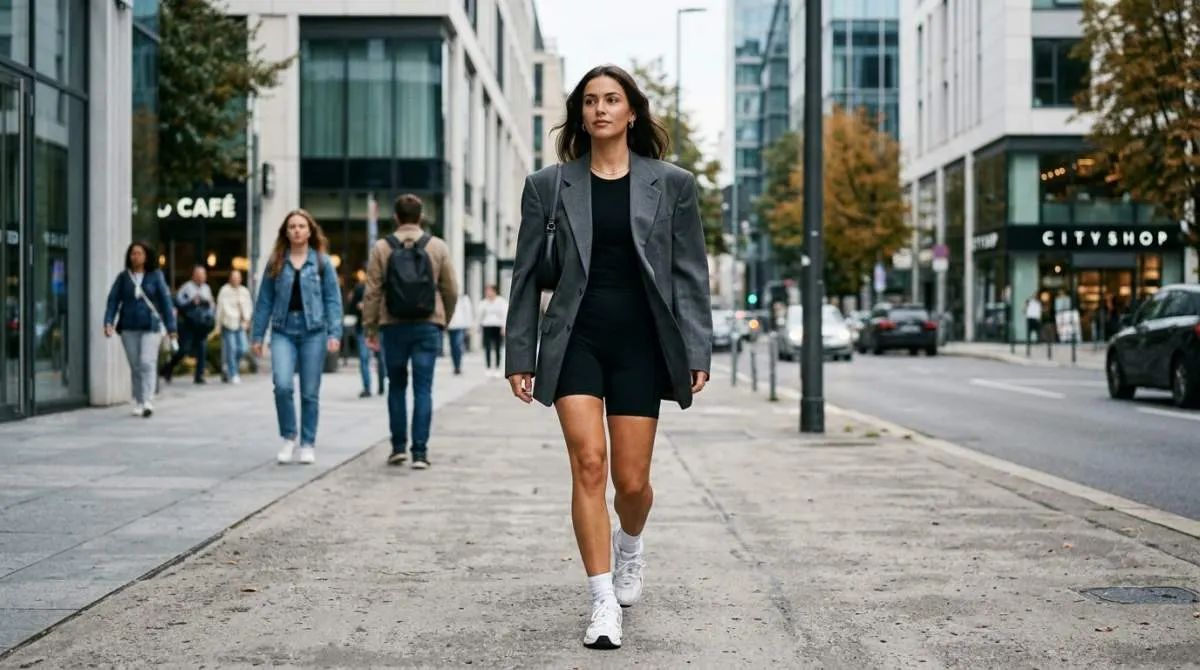
The Vibe: When Wall Street Met the Spin Class Floor
One detail sticks in my head about this look: the sound of Lycra. That rubbery squeak against a leather car seat was the soundtrack of 1986, and it was deeply confusing.
That's the core of the vibe. It's not about looking coordinated, but like you have places to be.
The Specific Smell of a 1987 Locker Room
The blazer is your armor for the world. The bike shorts are your armor for yourself. You wear the power on top and the freedom on the bottom. It's a visual paradox, and it works because the 80s loved a good paradox.
The background noise was just as important: the synth bass in a Jan Hammer track, the clatter of a dot-matrix printer, the squeak of a new Reebok sneaker on a polished floor. That's the sound of the 'Shoulder Balance.' It's loud, synthetic, and completely unapologetic.
The Secret: That Tiny Gap Between Jacket and Short
The real trick wasn't the blazer or the bike shorts. The secret lived in the space between them, that bare strip of thigh that flashed like a dare.
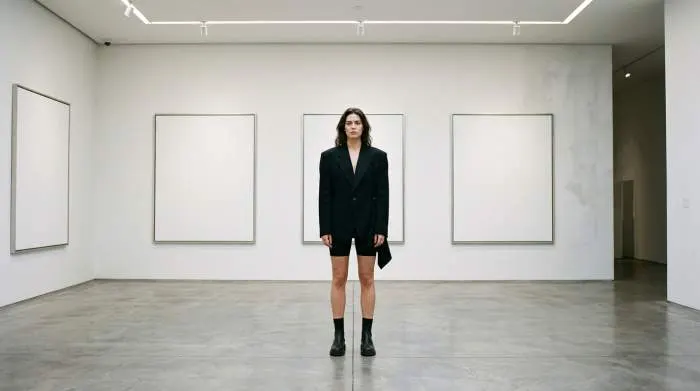
The Hidden Mechanism: Why the Gap Worked
There was a second layer to the secret: temperature. The jacket was hot, structured, often wool. The shorts were cool, breathable, barely there. That thermal clash read as confidence, signaling you could handle two worlds at once, the formal and the feral. The 80s were obsessed with women who could do both.
The Crowd Dynamic That Made It Explode
The crowd dynamic was simple. One person wore it, and everyone stared. Then two wore it, and people whispered. Then ten wore it, and suddenly the principal sent out a memo. The backlash was the real fuel. Every school that banned it, every parent who gasped, just made more people want to try it.
That's the secret nobody talks about now. The bike short and blazer combo wasn't just a fashion trend; it was a cultural flashpoint. It worked because it made people choose a side. The people who got it wore that gap like armor.
- The Era:Late 80s clash of boardroom and gym culture.
- The Illusion:Bare thigh gap made the clash look chosen.
- The Reality:Look spread in parking lots, not magazine pages.
- Modern Echo:Street style queens revived it in early 90s.
The Legacy: How the Shoulder Pad Met the Spandex Bicycle Seat
This look was a cultural hand grenade. The 80s power blazer was a fortress of ambition, yet the bike shorts underneath were pure, sweaty rebellion. Here's the twist: bike shorts were originally designed for male cyclists in the 1930s. It took decades for women to claim them as a symbol of athletic freedom. By the 80s, they'd become a secret weapon for women who wanted to move fast, literally and figuratively.
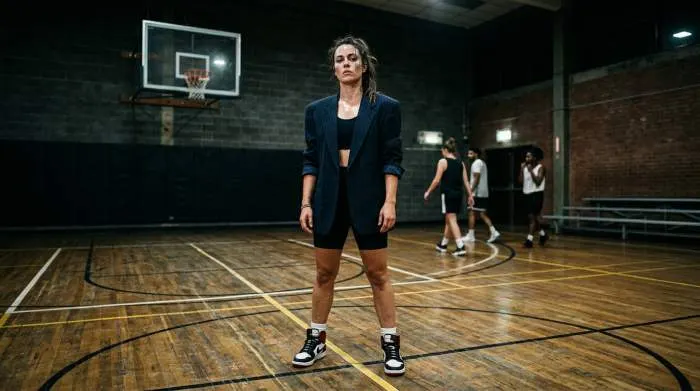
Fashion magazines of the late 90s tried to bury this look, calling it a dated joke. But underground zines loved it, printing grainy photos of girls in the pit at punk shows wearing blazers three sizes too big. It wasn't about looking rich, but about looking like you had somewhere important to be and weren't telling anyone where.
The Magazine Editors Who Kept It Alive
The silhouette also survived in the pop-culture subconscious, popping up in sitcoms where the quirky best friend dressed for a job interview from the waist up and a bike race from the waist down. The joke only worked because everyone recognized the tension between the blazer's formality and the shorts' freedom.
- Early 90s club kids in London wore them as a uniform for all-night raves.
- A cult 1993 film featured a lead actress in a pinstripe blazer and black bike shorts for a key scene.
- High-end designers like Helmut Lang referenced the contrast in his 1994 menswear collection.
- Celebrity stylists dug the look out of the trash bin for 2010s comeback tours.
- Street style blogs of the early 2010s revived it as a "normcore" power move.
Each of these moments borrowed the same energy. They all understood the core trick: the blazer promises control, yet the shorts promise speed. Wearing them together is a deliberate costume, signaling you know the rules of dressing and are choosing to break them on purpose. That's a legacy worth keeping.
The secret is the contrast. The blazer provides structure, a sharp frame. The bike shorts add a grounded, athletic ease. You lose the stiff skirt and suffocating pantyhose. You gain a look that reads as intentional, not ironic. It's modern dressing with a clear, borrowed memory of the past. The shoulder pads still announce your presence; the shorts whisper that you have somewhere better to be.
Shoulder Pads and Spandex, Finally at Peace
The 80s blazer was designed for volume, boxy, oversized, and broad. Pair it with a tight mini-skirt, and you got a classic corporate uniform. Swap the skirt for bike shorts, and something strange happens: the blazer becomes the anchor, the shorts become the release.
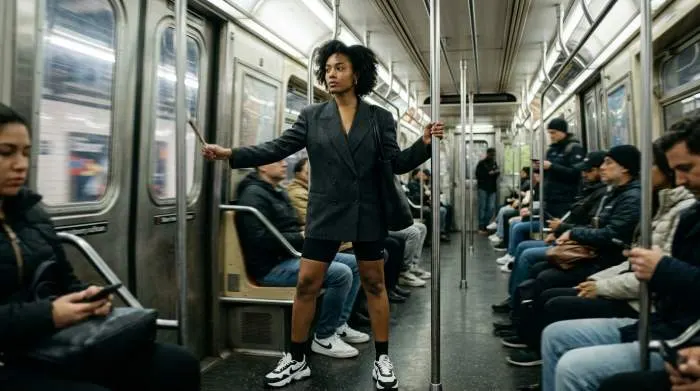
The Secret: Why Proportion Is the Only Rule That Matters
Bike shorts are naturally tight, hitting mid-thigh and clinging to the leg. They offer zero structure, and that's the point. The blazer must be oversized or sharply tailored, hitting at the hip or lower. The goal is a visual line that widens at the top and narrows at the bottom.
It's the same logic that made the 80s power suit so magnetic, just flipped for a new generation. You're not imitating Gordon Gekko; you're remixing his wardrobe for a world that wears sneakers to dinner.
The original power blazer was not just a garment; it was a statement. Women wore them to claim space in a room that didn't want them there. The shoulder pad was a symbol of defiance, a way to physically take up more room.
The Legacy: What the 80s Power Blazer Actually Taught Us
The legacy lives on in how we recontextualize old clothes. We no longer worship the suit as a uniform of success. We borrow its best parts and smash them against modern casual wear. This isn't a revival of an era; it's a remix. We keep the shoulders, drop the shoulder pads, and add spandex. If you want to take it further, a DIY blazer transformation guide can help you remove the most aggressive padding from a vintage jacket, softening the look while keeping that recognizable shape.

Start with a blazer that fits your upper body; it should drape, not strangle. Choose bike shorts in a neutral color, black, navy, or charcoal. Avoid neon unless you're going to a rave in 1992. Add a simple top underneath, like a white t-shirt or a thin turtleneck. Keep it clean; the blazer doesn't need a patterned shirt to compete with.
Finally, keep accessories minimal: a single chain necklace, a leather belt over the blazer, or a structured bag. Don't add a fanny pack or a scrunchie; that's nostalgia clutter. You want the look to feel current, not like a checklist. The point is to borrow the energy, not the entire decade. The 80s were loud, chaotic, and oversized. Your look today should be controlled, intentional, and just a little bit sly. That's the shoulder balance. It's the only balance that matters.
Finally, keep the accessories minimal. A single chain necklace, a leather belt over the blazer, or a structured bag. Do not add a fanny pack, a scrunchie, or a headband. That is nostalgia clutter. You want the look to feel current, not like a 1980s power suit characteristics checklist. The 80s were loud, chaotic, and oversized. That is the shoulder balance. It is the only balance that matters.A similar colonial-to-fashion pivot happened with the YSL safari jacket scandal.
What is the history of bike shorts as a fashion statement
When bike shorts first hit the mass market in the 1970s, they were strictly sportswear. But a forgotten subplot involves the aerobics boom of the early '80s, which turned them into a daytime staple for women who layered them under leg warmers and oversized sweatshirts. Few remember that the iconic 1983 film *Flashdance*-set in a steel mill-featured a welder in bike shorts under a slouchy sweater, planting the seed for their transition from gym to street.