From 1920s Liberation to 70s Reinvention
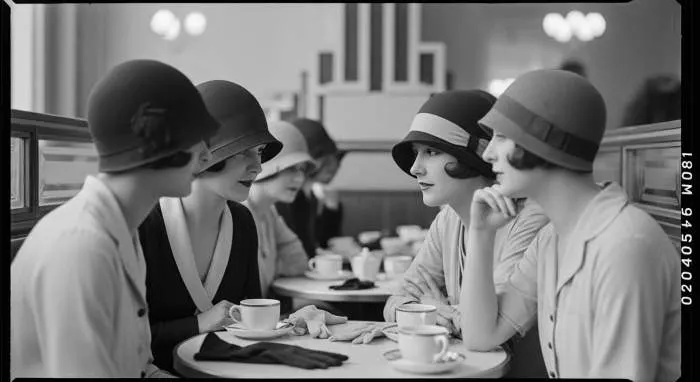
This functional interdependence highlights how design elements can mutually reinforce one another, creating a singular, cohesive look that defines an entire epoch and reflects the deeper currents of societal emancipation. The enduring legacy of the bob and cloche partnership extends far beyond their initial popularity, serving as a powerful historical example of how fashion responds to and drives cultural change. The liberation embodied by the bob, combined with the distinctive style of the cloche, laid crucial groundwork for future fashion movements that prioritized individual expression and a break from tradition.
That 1920s embrace of practicality and minimalist elegance, while different from the later maximalism of 1970s bohemianism, shared a core idea: challenging established norms. As we now focus on sustainable practices and building a zero-waste wardrobe, the lessons from the 1920s, especially the emphasis on functional, symbolic design, feel incredibly relevant. The ability to reimagine and upcycle pieces, much like the transformative power of the bob cut, allows for a continuous evolution of style rooted in conscious choice. Every time you give new life to a vintage garment, you're participating in a historical dialogue about fashion and freedom.
Why 70s Boho is Perfect for a Zero-Waste Wardrobe
The enduring appeal of 1970s bohemian fashion isn't just nostalgia; it's a testament to principles that align perfectly with today's values. This aesthetic experiences regular revivals, each time reinterpreted through a contemporary lens. In our current era of environmental urgency, the boho movement's celebration of natural materials, handcrafted details, and an anti-establishment spirit fits seamlessly with the modern pursuit of a zero-waste wardrobe. It represents a conscious rejection of fast fashion's fleeting trends, championing instead longevity, individuality, and a deeper connection to what we wear.
The very spirit of the 1970s, advocating for personal freedom and authenticity, now manifests as a choice to extend the life of existing garments. Transforming a vintage piece isn't just about style; it's a practical act of environmental stewardship. The flowing silhouettes, earthy colors, intricate embroidery, and natural fabrics like cotton and suede that defined the era are precisely what make these pieces so adaptable for modern wear. This inherent versatility is why designers keep drawing from this well, but the most authentic and sustainable approach is to work with the real thing: genuine vintage finds.
Your Guide to Upcycling 1970s Vintage
This is where DIY vintage upcycling becomes more than a hobby; it's a crucial part of sustainable fashion. Instead of feeding the demand for new production, you can breathe new life into pre-loved garments, preserving their history while making them relevant for today. This process directly tackles the massive problem of textile waste and supports a more circular fashion economy. The unique character of each vintage item, combined with your personal touch, means every upcycled piece tells a layered story, a fusion of its past and its new, sustainable purpose.
When you start upcycling 1970s bohemian pieces, you open up a world of creative possibilities. The robust construction and generous fabric of vintage garments often make them ideal for alteration. You might start with simple changes, like adding embroidery inspired by the rich hippie paradox of luxury peasant blouses, or replacing buttons. More ambitious projects could involve transforming a maxi dress into a midi skirt and a top, or turning a worn-out suede jacket into a vest. The goal is to extend the garment's life and tailor it to your contemporary taste.
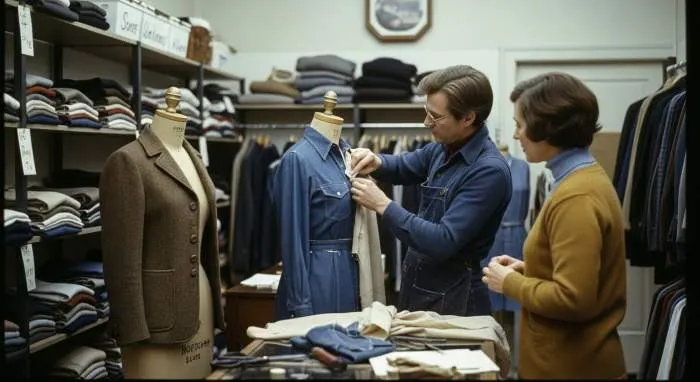
This hands-on approach encourages resourcefulness and leads to a wardrobe that truly reflects your personality, far from mass-produced uniformity. It’s a practice that connects you to a longer history of making-do and personalizing, much like the DIY spirit of the 90s grunge era, where an old slip became a layering staple. Each stitch and modification not only renews the fabric but weaves your own narrative into its history.
Practical Techniques to Begin Your Project
Common questions for beginners often revolve around where to start. Look for pieces with good 'bones' strong seams and quality fabric, even if the color is faded or there's minor damage. A great first project is a simple 1970s wrap dress; you can refresh it by dyeing it a new color or adding lace trim to the sleeves. For a blouse with beautiful embroidery but a dated shape, consider removing the sleeves to create a chic vest or cropping it to a modern length. The key is to see potential, not perfection.
Another rewarding technique is patchwork, a hallmark of the boho aesthetic. Use scraps from other unwearable vintage items to create panels on the elbows of a jacket or to fashion a new yoke for a denim shirt. This method not only repairs but adds unique, artistic flair. If you find a fabulous but oversized peasant blouse, taking in the side seams can give it a more fitted, modern silhouette while keeping its romantic spirit. Remember, the original makers valued craftsmanship, and your upcycling honors that tradition by treating the garment with care and intention.
- Maxi Dresses and Skirts: A long, flowing 1970s maxi dress can be shortened into a midi or mini dress, or even repurposed into a stylish skirt by detaching the bodice. Adding new trims, dyeing it a fresh color, or incorporating macramé details can revitalize its bohemian charm.
- Denim: Vintage denim, particularly flared jeans or chambray shirts, are perfect for distressing, patching with patterned fabrics, or embroidering. Flares can be tapered for a more modern silhouette, or the denim can be cut into shorts or a skirt.
- Tunics and Blouses: Loose-fitting tunics can be cinched with a new belt, adorned with beadwork, or have their sleeves reshaped. Sheer blouses can be layered over modern pieces or transformed into beach cover-ups.
- Scarves and Shawls: Often featuring vibrant patterns, these can be sewn together to create unique patchwork garments, used as headwraps, or even incorporated as decorative panels into other upcycled items.
- Knitwear: Chunky knit sweaters or vests can be refitted, embellished with crochet details, or even deconstructed and reassembled into new accessories like bags or headbands.
The commitment to upcycling 1970s bohemian vintage transcends fashion. It represents a powerful synthesis of historical appreciation, individual expression, and environmental responsibility. It’s a conscious rejection of the linear 'take-make-dispose' model, embracing instead a circular ethos that values longevity and reduced waste. By thoughtfully curating and transforming these garments, you contribute to a more sustainable future and cultivate a wardrobe that is uniquely personal. This practice answers a common search for how to build a zero-waste wardrobe with character, proving that style and ethics can beautifully coexist.
This ongoing dialogue between past aesthetics and future imperatives ensures that the timeless legacy of 1970s bohemianism continues to inspire. It’s not just about the clothes; it’s about cultivating a more mindful and ethical approach to how we dress. In a world of fast fashion, choosing to upcycle is a quiet rebellion, a way to look back with appreciation while sewing a path forward, one unique, storied garment at a time.
Ultimately, your upcycled creation becomes more than an outfit. It's a wearable piece of history, infused with the carefree spirit of the 70s and the conscientious values of today. It connects you to the artisans who first made it and to the cultural moments it witnessed, whether that's the sound of a Walkman or the vibe of a disco club. In giving these pieces a new chapter, you ensure their story, and the sustainable ethos they now represent, continues for years to come.
What is the history of bohemian fashion
Bohemian style traces back to post-French Revolution France, where artists and writers rejected bourgeois norms for flowing, eclectic dress. By the 19th century, it was linked to Romani travelers (mistakenly called 'bohemians'), blending Eastern European, North African, and folk influences into a free-spirited aesthetic that the 1970s later revived.